Understanding Permaculture Principles for Land Use


Introduction to Permaculture
Permaculture is a holistic approach to sustainable land use that combines ecological principles with practical design. By understanding and applying permaculture principles, individuals can create resilient and self-sustaining ecosystems. This method is not only beneficial for the environment but also enhances the quality of life for those who engage with it.
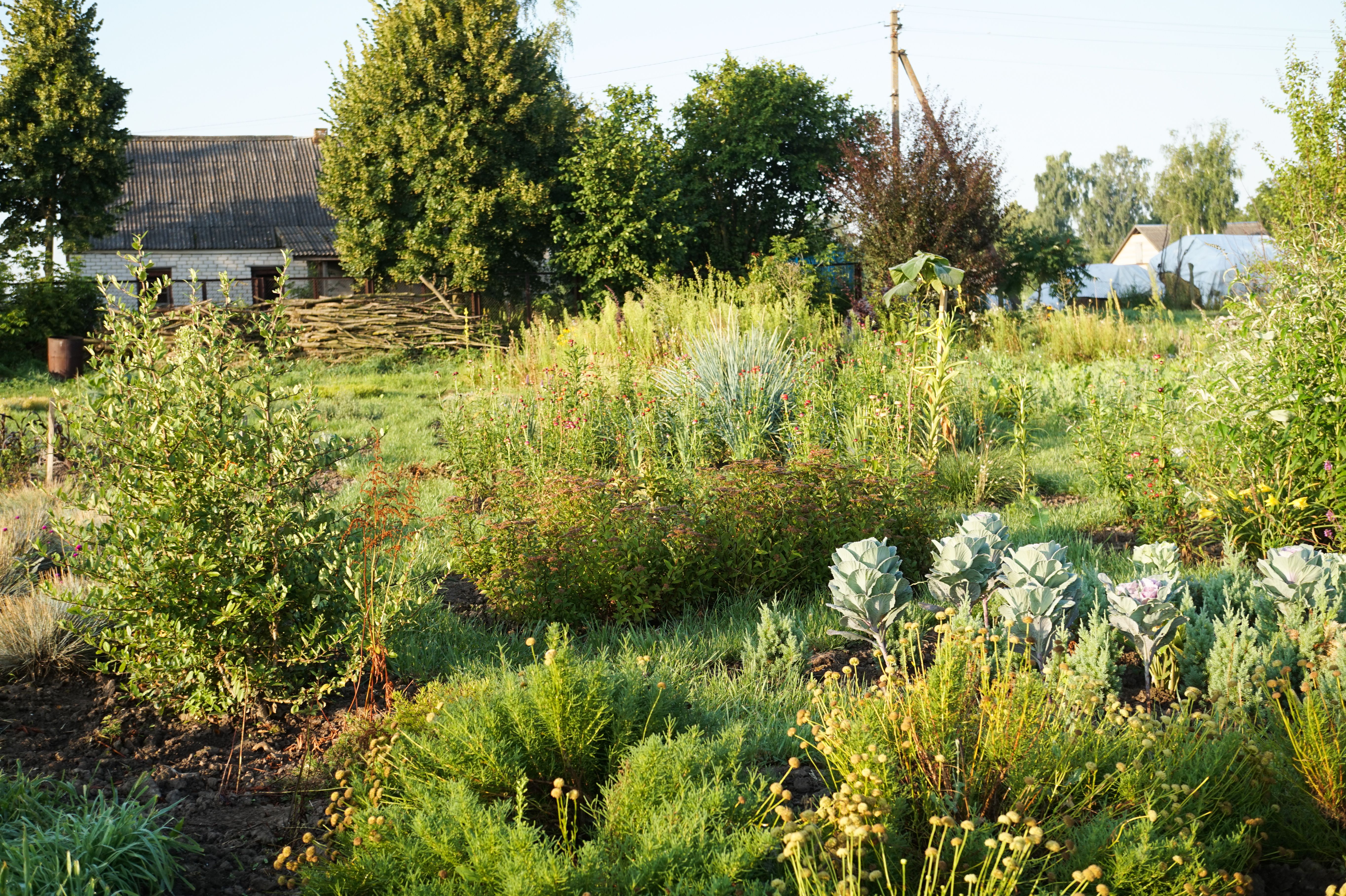
The Core Principles of Permaculture
Permaculture revolves around several core principles that guide its practice. These principles are designed to foster harmony between human activities and the natural world. Some of the key principles include:
- Observe and Interact: Taking the time to observe the natural environment before making changes ensures that interventions are harmonious and informed.
- Catch and Store Energy: Utilize resources such as sunlight and rainwater to create sustainable energy systems.
- Obtain a Yield: Ensure that your land use activities provide tangible benefits, whether in the form of food, shelter, or other resources.
Creating Self-Sustaining Systems
A significant aspect of permaculture is designing systems that are self-sustaining. This involves using natural processes to minimize external inputs and waste. One way to achieve this is by integrating plants and animals in a way that each component supports the other. For instance, chickens can help control pests while their manure fertilizes the soil.

Designing with Nature in Mind
The design process in permaculture is crucial. It requires a deep understanding of the landscape, climate, and ecosystems involved. By designing with nature in mind, land users can create environments that are not only productive but also resilient to changes such as climate fluctuations.
Implementing permaculture involves creating zones that reflect different levels of human interaction. The most frequently used areas, such as vegetable gardens, are placed close to the living area, while less intensive zones, like orchards, are situated further away.

The Role of Water Management
Water management is a critical component of permaculture. Techniques such as swales, ponds, and rainwater harvesting systems are used to manage water effectively. These methods help to conserve water, reduce erosion, and support plant growth even in arid conditions.
Benefits of Adopting Permaculture
Adopting permaculture principles offers numerous benefits, both environmentally and socially. It promotes biodiversity, enhances soil health, and reduces reliance on synthetic inputs. Furthermore, it fosters a sense of community and cooperation as individuals work together towards common sustainability goals.
Ultimately, understanding and applying permaculture principles can lead to more sustainable and fulfilling ways of living. By aligning human activities with natural processes, we can create thriving ecosystems that support both people and the planet.