Understanding Permaculture Principles for Florida Homesteaders


Introduction to Permaculture
Permaculture is a sustainable design philosophy that focuses on creating self-sufficient and resilient ecosystems. For Florida homesteaders, understanding permaculture principles can transform their land into a thriving, productive environment. By mimicking natural processes, permaculture enables you to work with nature rather than against it.
Principle 1: Observe and Interact
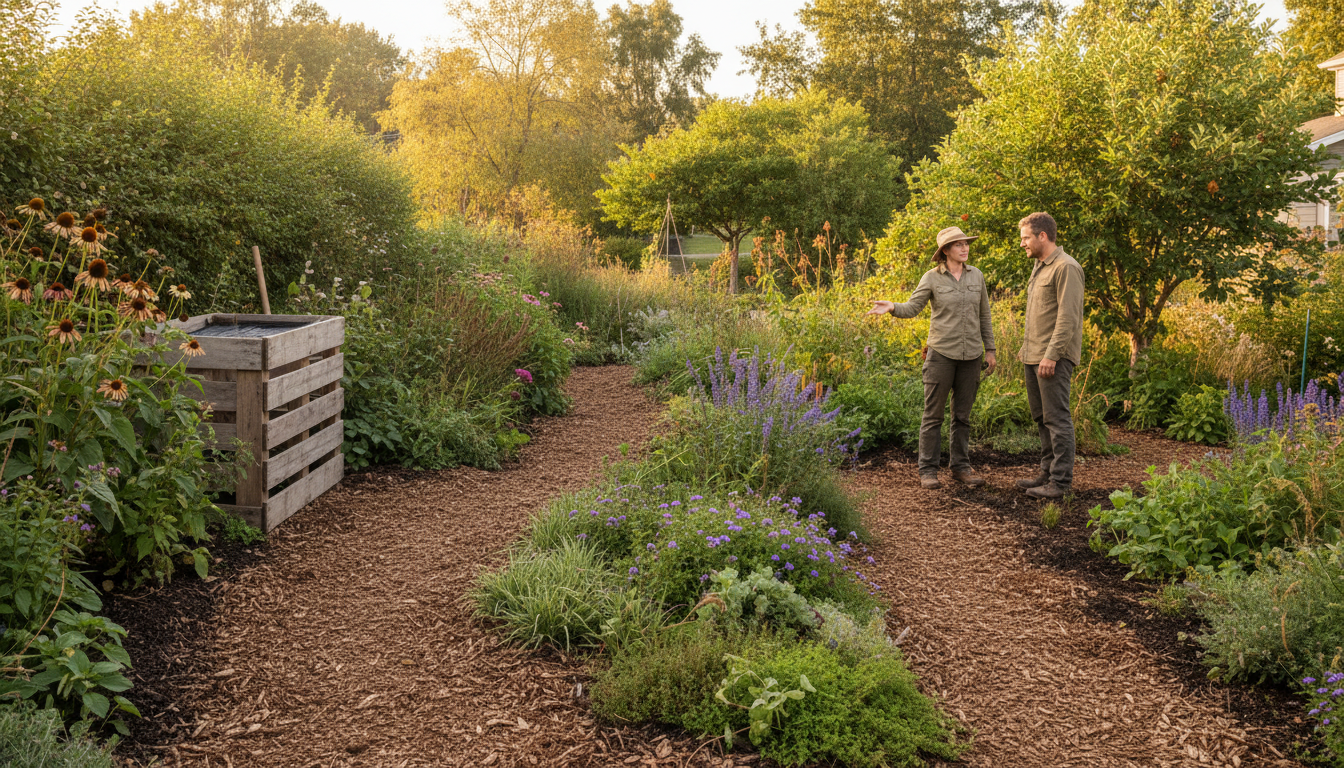
The first step in permaculture is to observe your environment and understand its unique characteristics. Florida's diverse climate and soil types offer both opportunities and challenges. Spend time observing the natural patterns, such as sun exposure, wind flow, and rainfall, to make informed decisions for your homestead.
Adapting to Florida's Climate
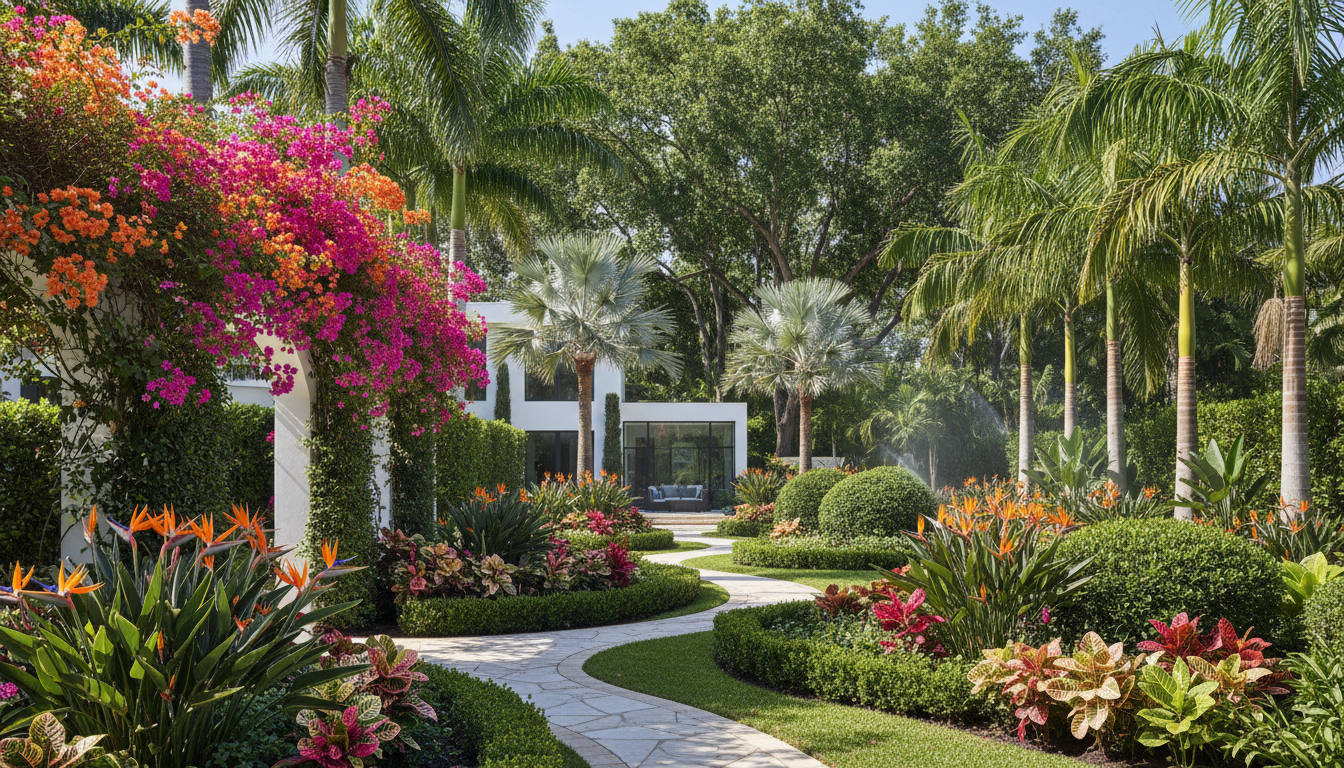
Florida's subtropical climate means dealing with humidity, hurricanes, and varying temperatures. By observing how native plants and animals thrive, you can adapt your strategies to suit the local conditions. This might include choosing drought-resistant plants or designing windbreaks to protect your garden.
Principle 2: Catch and Store Energy
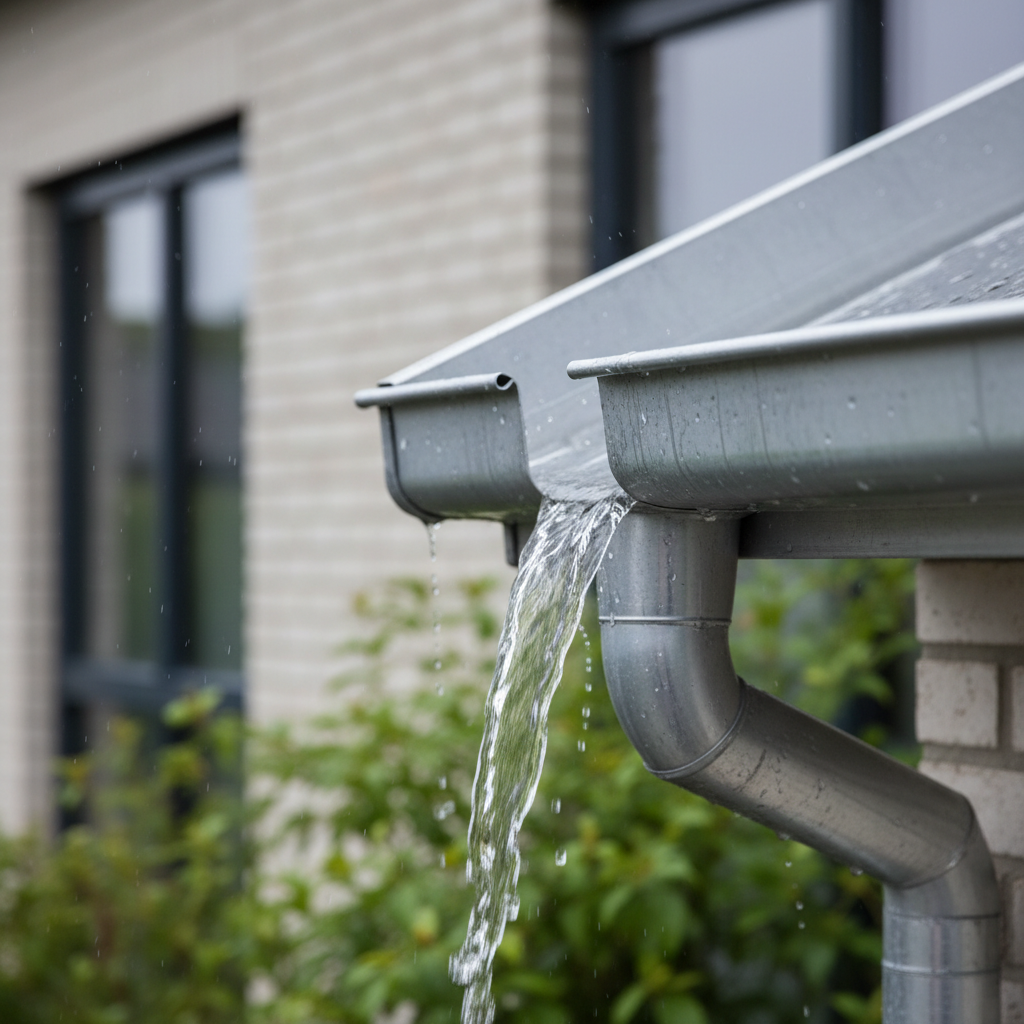
One of the core permaculture principles is to harness and store energy effectively. In Florida, this often means capturing solar energy and rainwater. By installing solar panels and rainwater collection systems, you can reduce reliance on external resources and increase your homestead's sustainability.
Water Management Techniques
Efficient water management is crucial. Consider using swales and rain gardens to direct and retain water. These systems not only conserve water but also prevent erosion and improve soil quality.
Principle 3: Integrate Rather Than Segregate
Integration is key to successful permaculture. By creating systems where plants, animals, and humans benefit each other, you can enhance productivity and reduce waste. Companion planting, for example, involves growing plants together that support each other's growth.
Creating Synergistic Relationships
In Florida, integrating native plants with crops can attract beneficial insects and improve soil health. Consider adding chickens or ducks to your homestead, as they can help control pests and fertilize the soil.
Principle 4: Use and Value Diversity
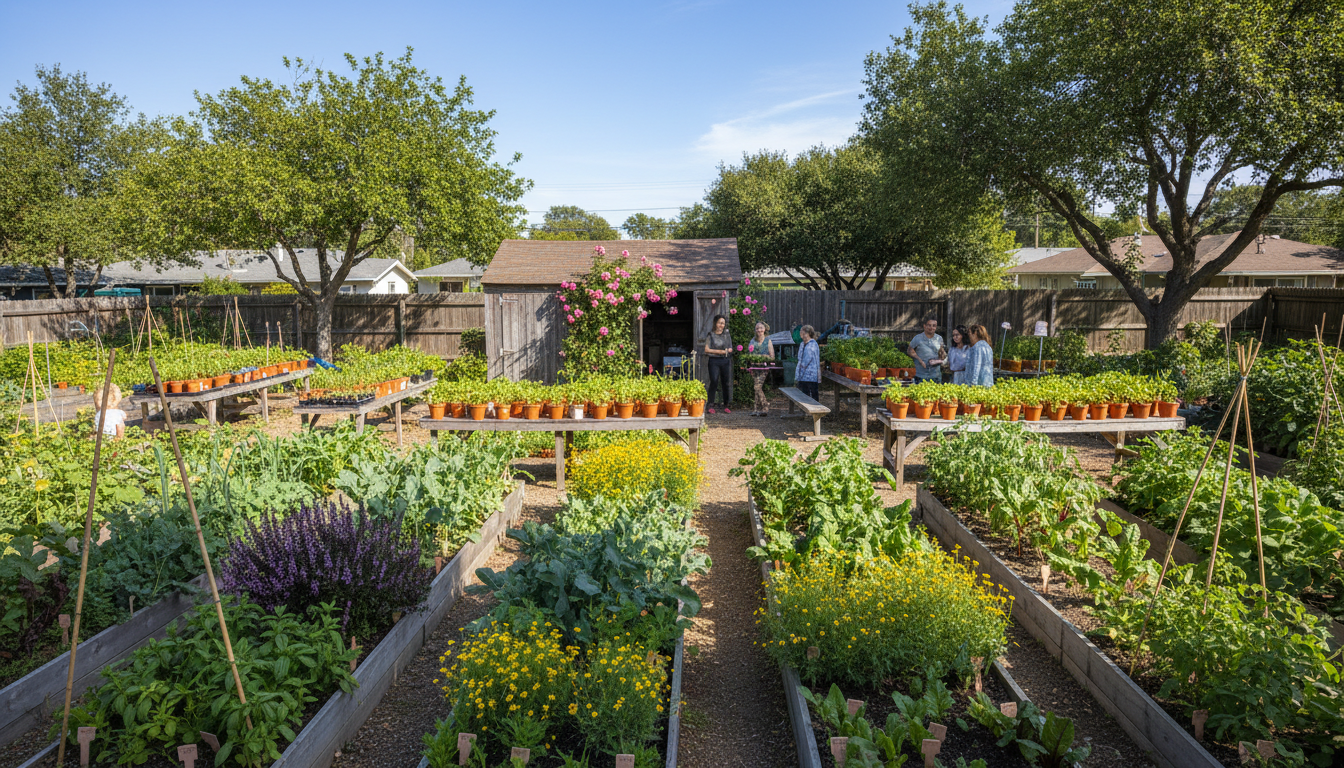
Diversity is a fundamental aspect of permaculture. A diverse system is more resilient to pests, diseases, and environmental changes. For Florida homesteaders, this means incorporating a wide range of plant species and varieties into their gardens.
- Include native plants that are adapted to the local environment.
- Mix annuals and perennials for a balanced ecosystem.
- Encourage wildlife by creating diverse habitats.
Conclusion
Understanding and applying permaculture principles can significantly enhance the sustainability and productivity of a Florida homestead. By working harmoniously with nature, you can create a thriving, resilient ecosystem that supports both you and the environment. Embrace these principles to transform your homesteading journey.