Understanding Permaculture Principles: Creating a Resilient Florida Homestead


Permaculture is more than just a gardening method; it is a holistic approach to living in harmony with the environment. In Florida, with its unique climate and ecosystem, permaculture principles can be incredibly effective in creating a resilient homestead.
What is Permaculture?
Permaculture is a design philosophy that focuses on sustainable and self-sufficient living. It involves working with nature rather than against it, using natural patterns and cycles to create productive and sustainable systems. This approach can be particularly beneficial in Florida, where the climate can be both a blessing and a challenge.
Understanding Florida's Unique Climate
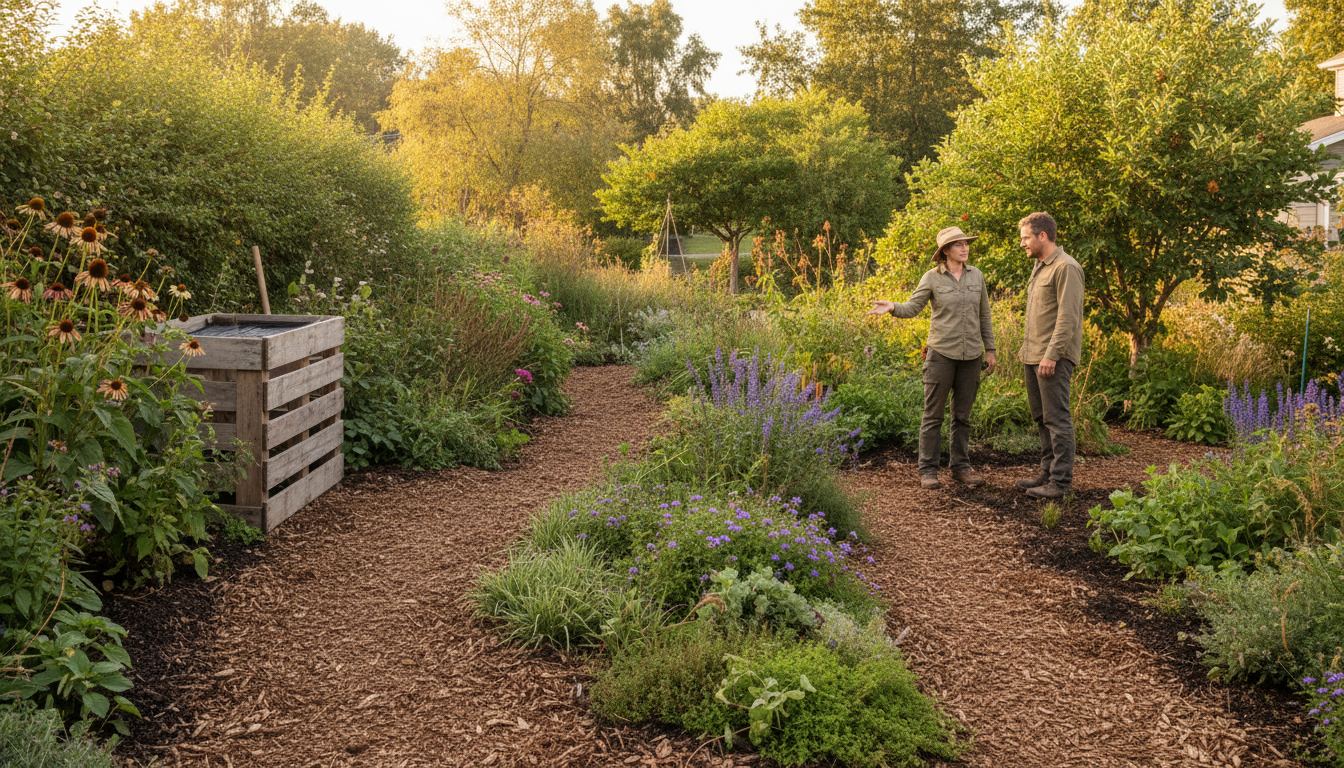
Florida's subtropical climate offers a long growing season, but it also presents challenges such as intense heat, humidity, and hurricanes. By understanding the local climate, you can design a homestead that takes advantage of the abundant sunshine while mitigating potential weather-related issues.
For instance, planting windbreaks and using water catchment systems can help protect your homestead from strong winds and make the most of seasonal rainfall. These strategies align with permaculture’s focus on observing and interacting with the environment.
Designing Your Permaculture Homestead
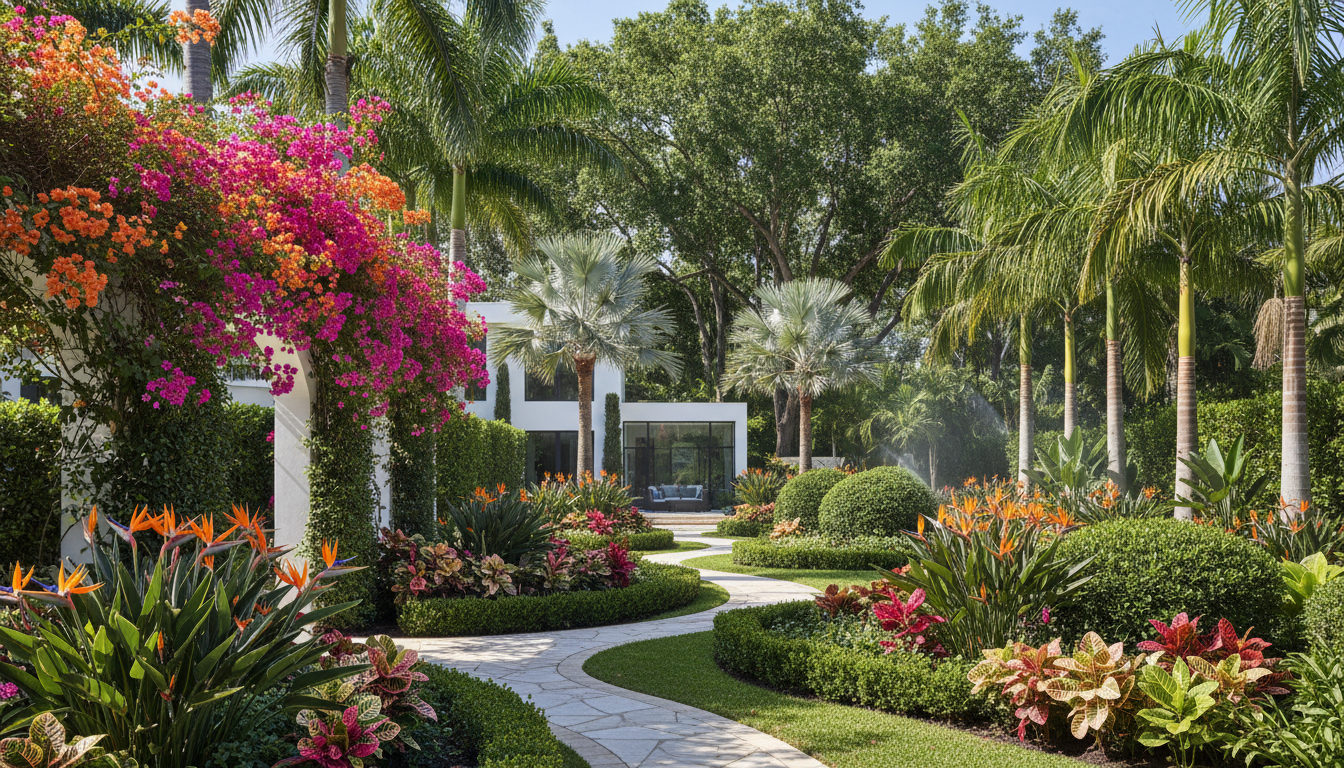
When designing a permaculture homestead in Florida, start by assessing your land's features, such as soil type, water sources, and native vegetation. This assessment will guide your planning and help you implement permaculture principles effectively.
Key Permaculture Principles
Here are some fundamental permaculture principles to consider:
- Observe and Interact: Spend time understanding your land's natural patterns before making changes.
- Catch and Store Energy: Use solar panels or rainwater harvesting systems to capture natural resources.
- Use and Value Renewable Resources: Incorporate native plants that thrive in Florida's climate, reducing the need for external inputs.
By applying these principles, you can create a balanced ecosystem that supports both human and environmental needs.
Building Soil Health
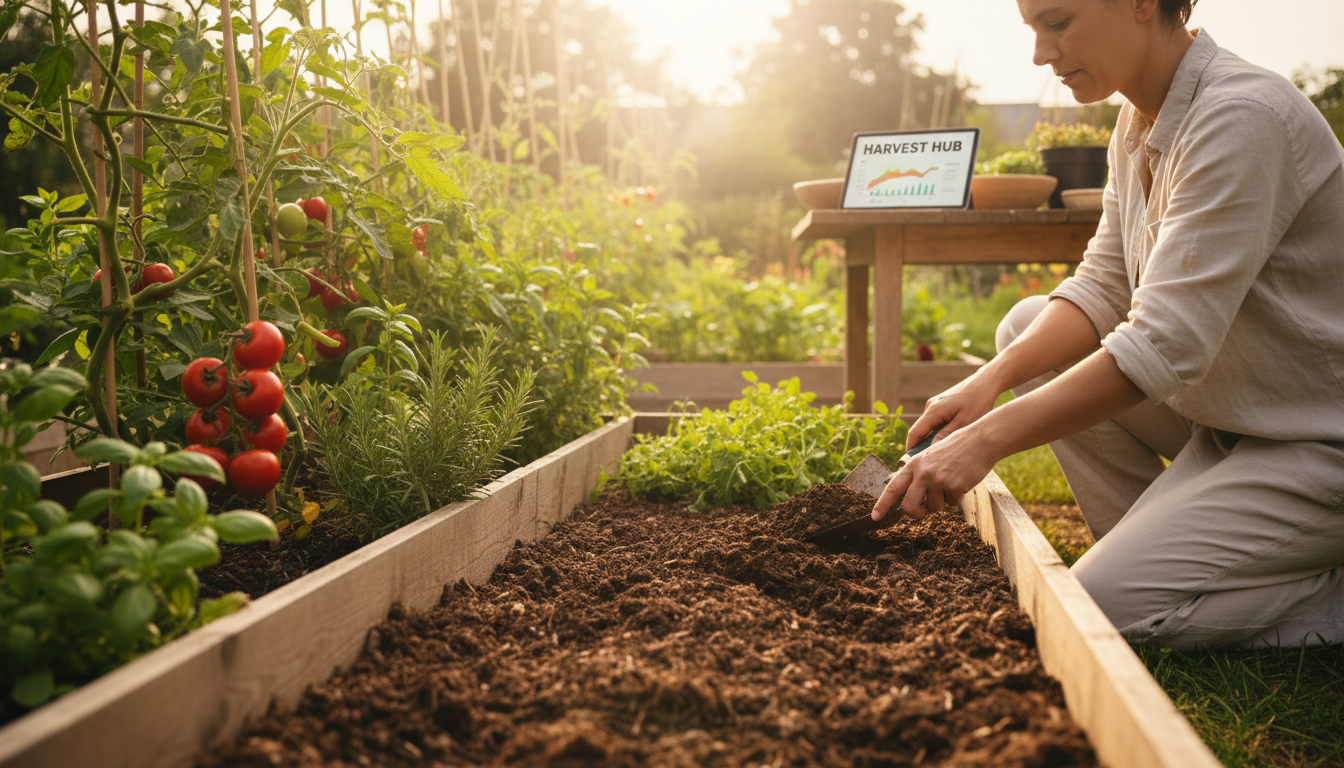
Healthy soil is the foundation of any successful permaculture homestead. In Florida, sandy soils can be challenging, but permaculture techniques such as composting, mulching, and cover cropping can improve soil fertility and structure. These practices help retain moisture and support plant health, crucial in the hot Florida climate.
Integrating Livestock
Incorporating animals into your permaculture design can enhance soil fertility and provide additional resources. Chickens, for example, can help with pest control and provide manure for composting. When managed properly, livestock can be a valuable part of a sustainable homestead.
Permaculture encourages a diverse and integrated approach, where plants and animals support each other, reducing reliance on external resources.
Creating a Resilient Community
Permaculture is not just about individual homesteads; it's about building resilient communities. By sharing knowledge and resources with neighbors, you can foster a more sustainable local environment. Community gardens, seed exchanges, and shared tools can reduce costs and increase resilience.
Embracing permaculture principles allows you to create a vibrant and productive homestead that thrives in Florida's unique conditions. By working with nature, you can build a sustainable lifestyle that benefits both you and the environment.