Understanding Permaculture: How to Make Your Land Work for You


What is Permaculture?
Permaculture is a sustainable approach to agriculture and land management that seeks to work with nature rather than against it. This philosophy emphasizes the creation of self-sufficient and regenerative systems that can provide for human needs while enhancing the environment. By understanding the principles of permaculture, you can make your land more productive and environmentally friendly.
Principles of Permaculture
Permaculture is built on several key principles that guide its practices. These principles include observing and interacting with the land, capturing and storing energy, obtaining a yield, applying self-regulation, and accepting feedback. By following these guidelines, you can create a harmonious and sustainable ecosystem on your property.
Observation and interaction are crucial first steps. Spend time understanding the natural patterns, weather conditions, and existing flora and fauna on your land. This knowledge will inform your design decisions and help you work in harmony with nature.
Designing Your Permaculture System
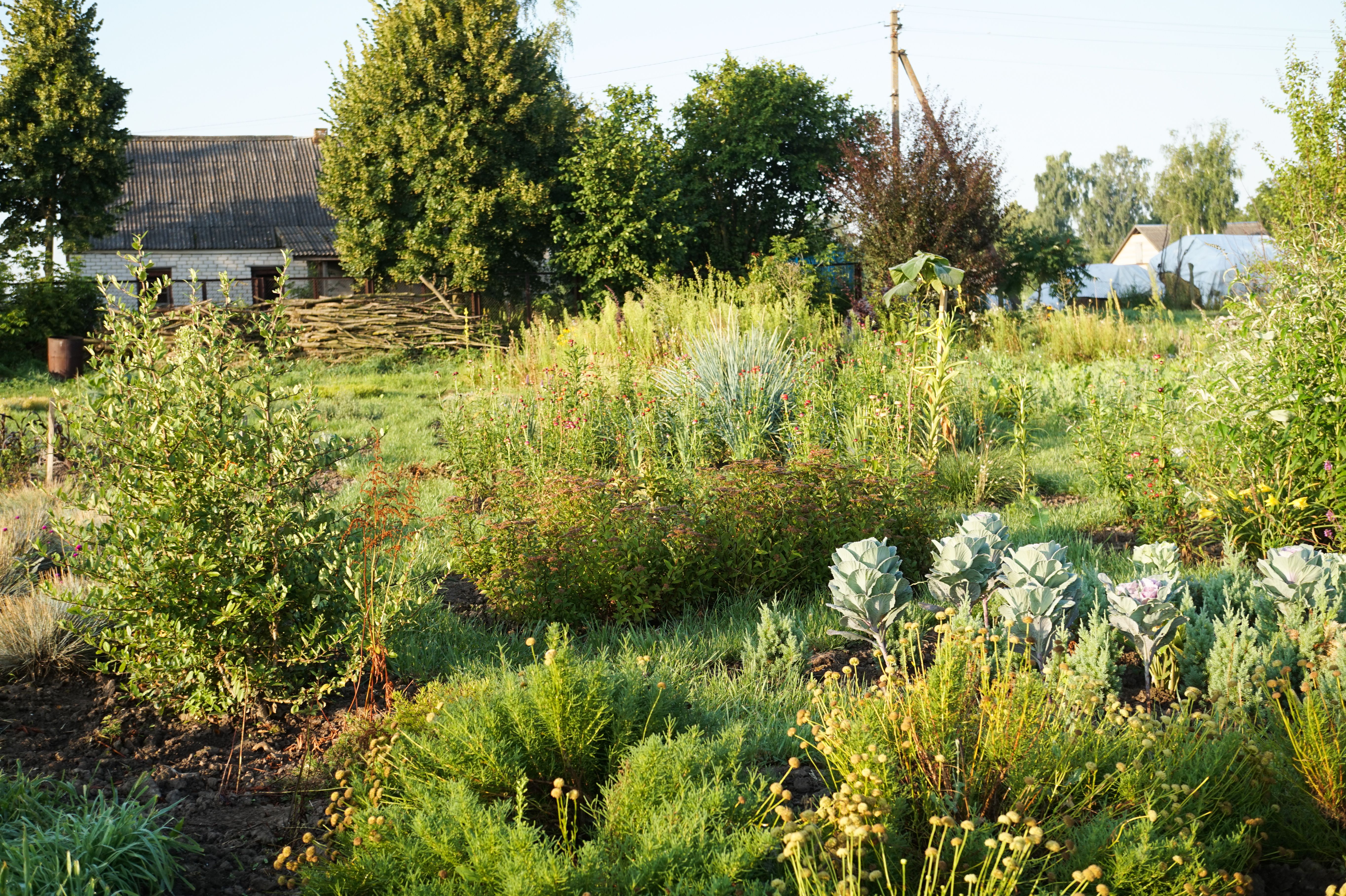
Designing a permaculture system involves careful planning and thoughtful implementation. Start by mapping out your land, considering factors such as sunlight, water flow, and wind patterns. Use this information to determine the best locations for planting crops, building structures, and creating water features.

Consider using techniques like companion planting and crop rotation to enhance soil fertility and reduce pests naturally. Incorporating a variety of plants and animals can also boost biodiversity and create a more resilient ecosystem.
Water Management
Effective water management is a cornerstone of permaculture. By harvesting rainwater, building swales, and designing irrigation systems that mimic natural processes, you can ensure that your land remains hydrated and fertile. These strategies not only conserve water but also prevent erosion and promote healthy plant growth.

Building Soil Health
The health of your soil is fundamental to the success of your permaculture system. Focus on enhancing soil fertility through composting, mulching, and integrating organic matter. These practices improve soil structure, retain moisture, and support beneficial microorganisms, leading to healthier plants and higher yields.
Consider implementing no-till farming techniques to preserve soil integrity and reduce erosion. By minimizing disturbance to the soil, you can maintain its natural structure and fertility.
Conclusion
Permaculture offers a holistic and sustainable approach to land management that benefits both people and the planet. By understanding and applying its principles, you can transform your land into a productive, eco-friendly haven. Whether you're a seasoned farmer or a backyard gardener, permaculture provides valuable insights for making your land work for you.