Understanding Florida's Land Regulations: A Guide for New Buyers


Introduction to Florida's Land Regulations
For new buyers venturing into Florida's real estate market, understanding the state's land regulations is crucial. These regulations can significantly impact your purchasing decisions, future development plans, and overall investment success. This guide aims to demystify the key aspects of Florida's land regulations, providing clarity and confidence to new buyers.
Understanding Zoning Laws
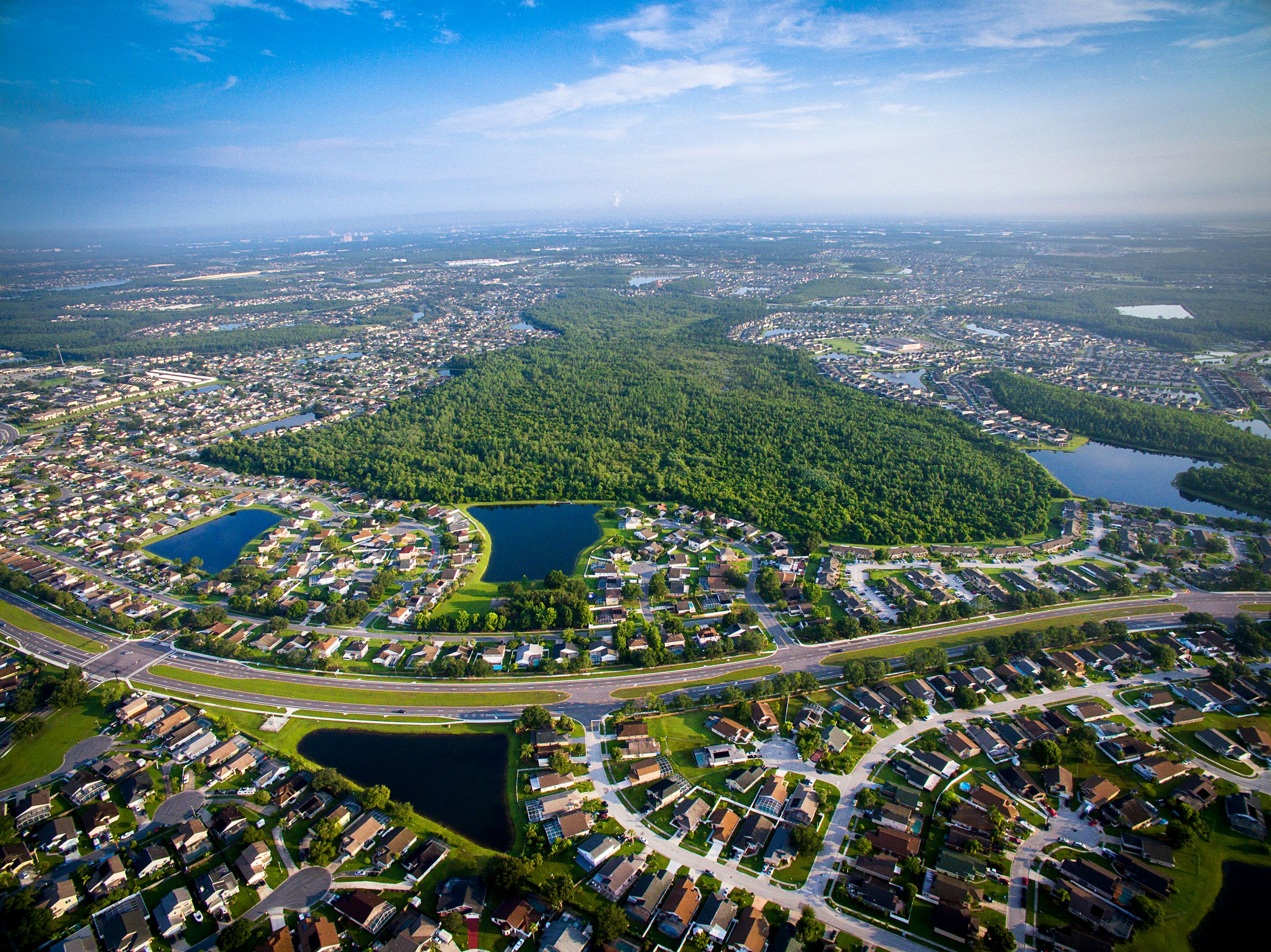
Zoning laws in Florida dictate how land can be used, affecting everything from residential areas to commercial developments. It's essential to know the zoning classification of a property before purchasing. These classifications can range from residential and commercial to industrial and agricultural.
Types of Zoning
Florida's zoning categories include:
- Residential: Areas designated for housing, with restrictions on the type and density of homes.
- Commercial: Zones for businesses, with specific regulations on the types of businesses allowed.
- Industrial: Areas for manufacturing and other industrial activities.
Environmental Regulations
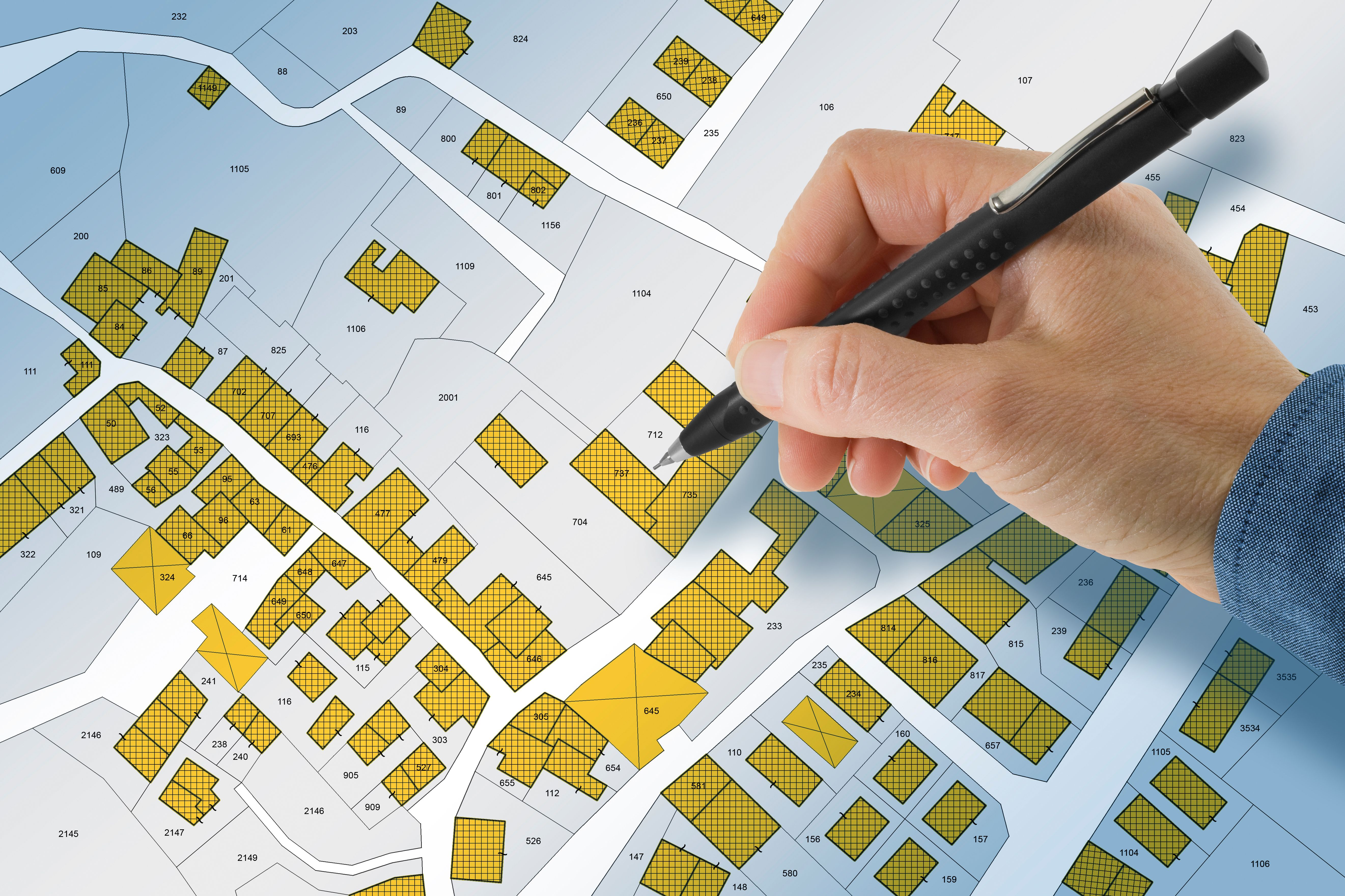
Environmental regulations in Florida are designed to protect the state’s unique ecosystems. Buyers should be aware of regulations concerning wetlands, protected species, and coastal areas. These rules can impose restrictions on land use and development.
Protected Areas
Florida is home to numerous protected areas. If you're considering purchasing land near these areas, be prepared for stringent regulations. Engaging with an environmental consultant can provide insights into any potential restrictions.

Building Permits and Restrictions
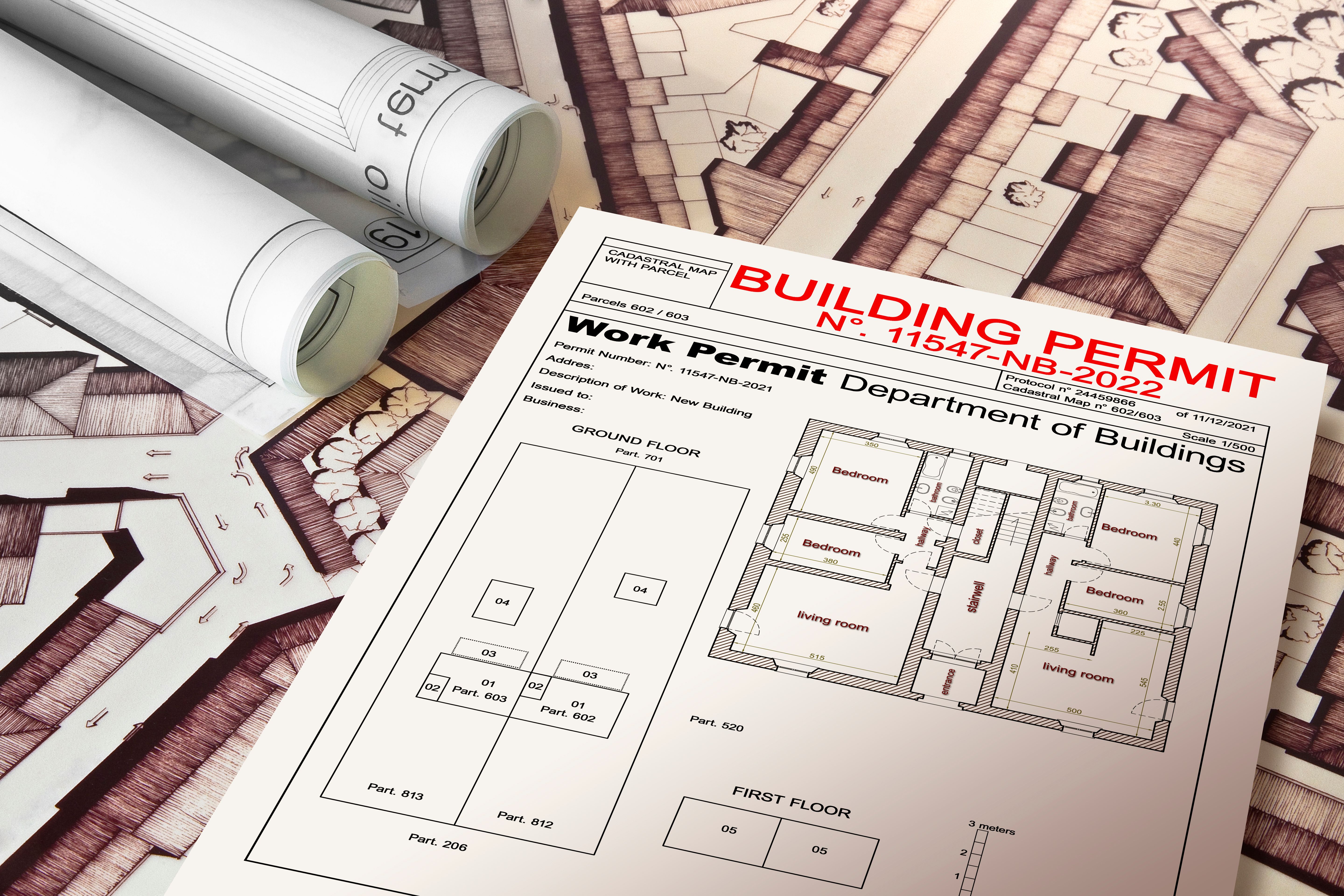
Before beginning any construction project, securing the appropriate building permits is essential. Florida's building codes aim to ensure safety and compliance with local regulations. Understanding these requirements can prevent costly delays and fines.
Types of Permits
Common permits include:
- Building Permit: Required for new construction, renovations, and some repairs.
- Electrical Permit: Necessary for electrical work, ensuring it meets safety standards.
- Plumbing Permit: Required for any alterations to plumbing systems.
Conclusion: Navigating Florida's Land Regulations
Understanding Florida's land regulations is an essential step for new buyers entering the real estate market. By familiarizing yourself with zoning laws, environmental regulations, and building permits, you can make informed decisions and navigate potential challenges effectively. Always consider consulting with local experts, such as real estate agents or legal advisors, to ensure compliance and make the most of your investment.