Understanding Emerging Technologies in Farm Development


Introduction to Emerging Technologies in Agriculture
The agricultural sector is witnessing a transformative era with the advent of emerging technologies. These innovations are reshaping traditional farming methods, enabling farmers to enhance productivity and sustainability. Understanding these technologies is crucial for anyone involved in farm development.
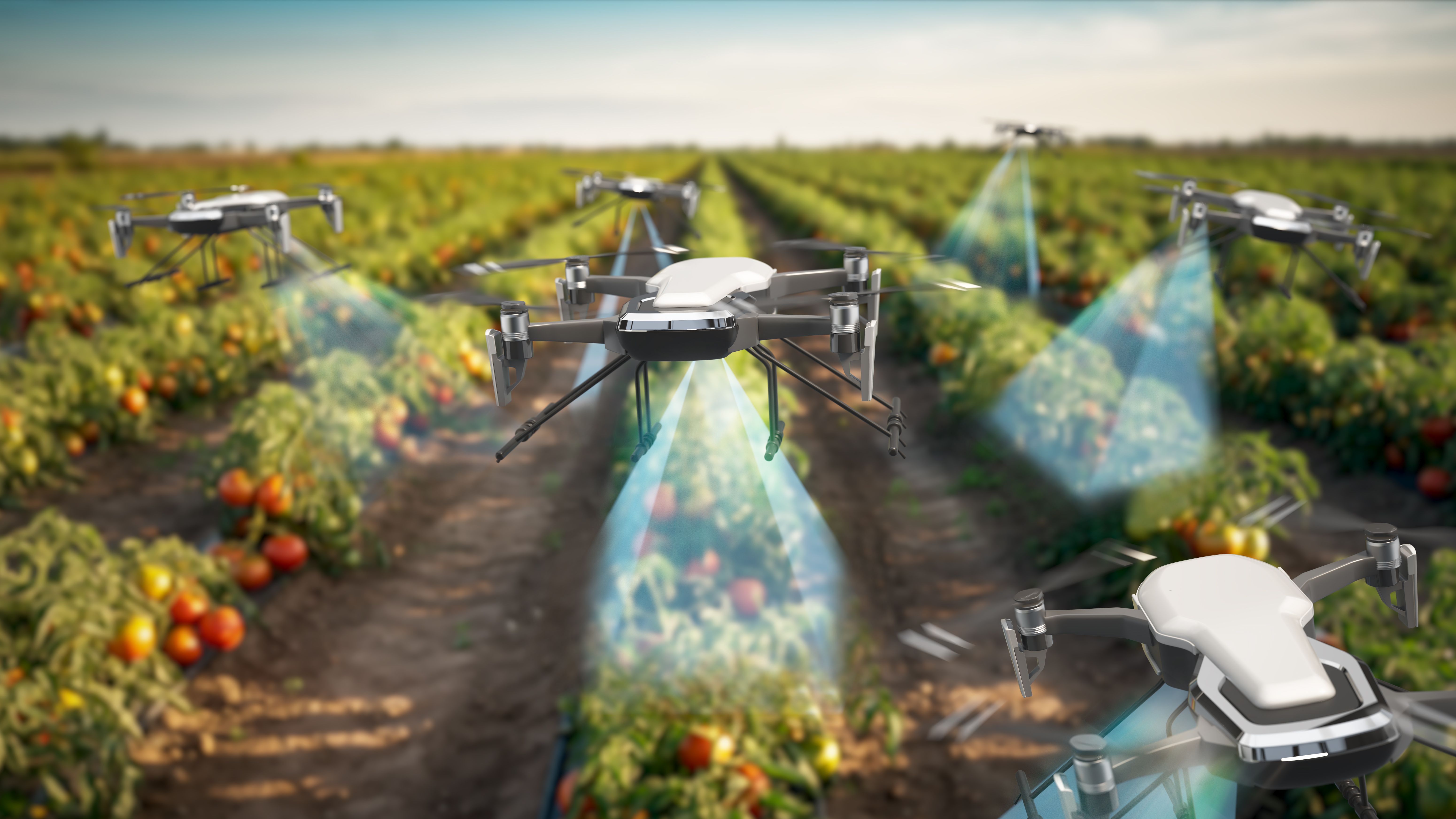
Precision Agriculture: A Game Changer
Precision agriculture uses technology to monitor and manage field variability in crops. By employing GPS systems, sensors, and satellite imagery, farmers can optimize field-level management regarding crop farming. This approach minimizes waste, increases yields, and reduces environmental impact.
Benefits of Precision Agriculture
There are several key benefits to adopting precision agriculture:
- Improved crop yield and quality
- Efficient use of resources such as water and fertilizers
- Reduced environmental footprint
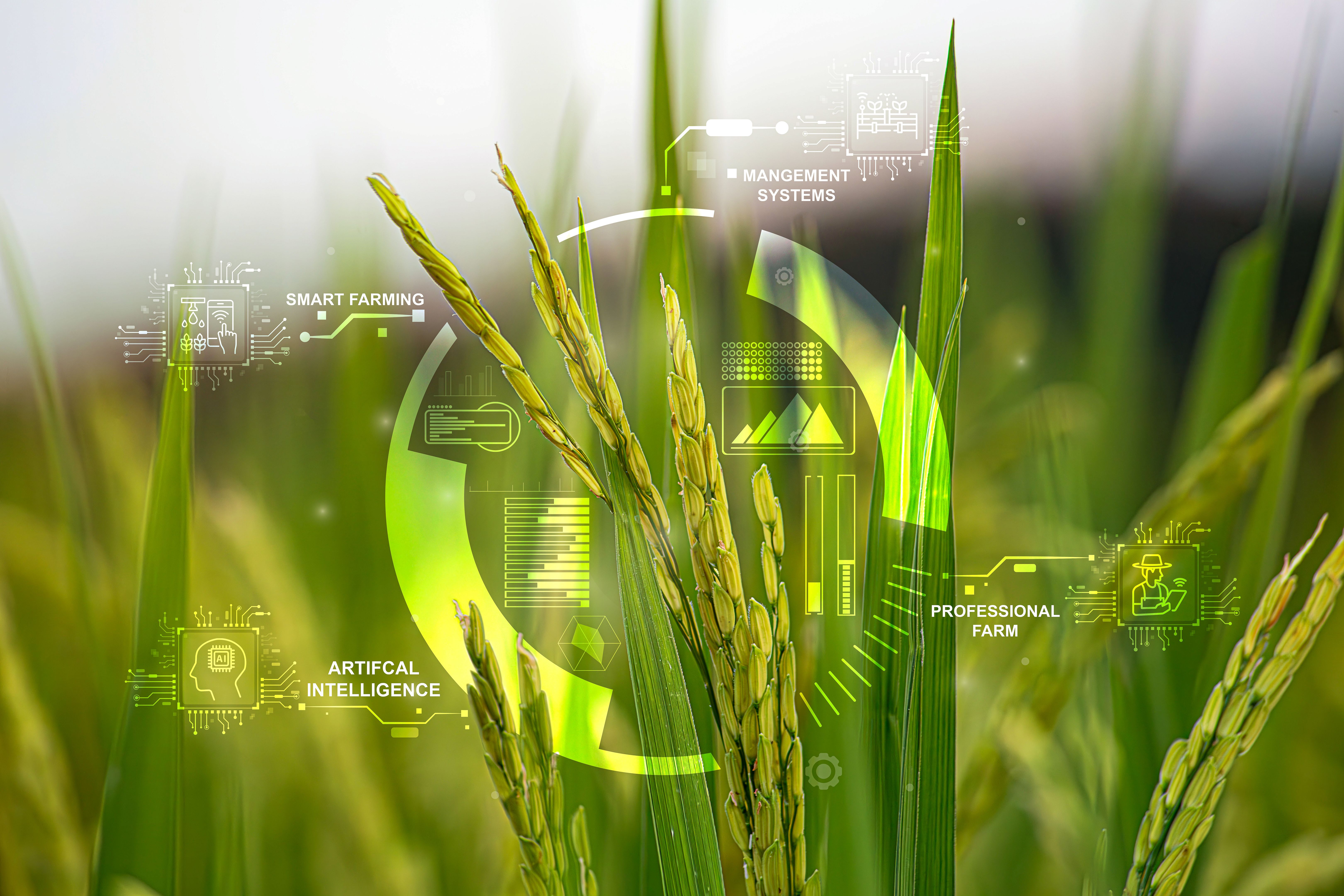
The Role of IoT in Farm Management
The Internet of Things (IoT) is revolutionizing farm management by connecting devices and systems across the farm. This interconnectedness allows for real-time monitoring and automation, leading to more informed decision-making.
Applications of IoT in Agriculture
IoT applications in agriculture include:
- Soil moisture sensors for irrigation management
- Livestock tracking and health monitoring
- Climate monitoring and weather forecasting
Artificial Intelligence and Machine Learning
Artificial Intelligence (AI) and Machine Learning (ML) are being harnessed to analyze vast amounts of data collected from farms. These technologies can predict outcomes, suggest optimal practices, and automate complex tasks, thereby enhancing farming efficiency.
Impact of AI and ML
AI and ML are impacting agriculture by:
- Enhancing pest and disease detection
- Optimizing supply chain management
- Improving crop management strategies
Drones and Their Applications in Farming
Drones are becoming an essential tool in modern agriculture. They provide aerial views of fields, enabling farmers to monitor crop health, assess damage, and even apply pesticides or fertilizers accurately.

Advantages of Using Drones
Some advantages of drones in farming include:
- Quick and efficient data collection
- Access to hard-to-reach areas
- Cost-effective monitoring and maintenance
Conclusion
Understanding and adopting these emerging technologies is vital for advancing farm development. As technology continues to evolve, it promises to deliver even more innovative solutions to the challenges faced by the agricultural sector. Embracing these advancements will not only enhance productivity but also promote sustainable and environmentally friendly farming practices.