Transform Your Backyard: Starting a Thriving Edible Landscape


Planning Your Edible Landscape
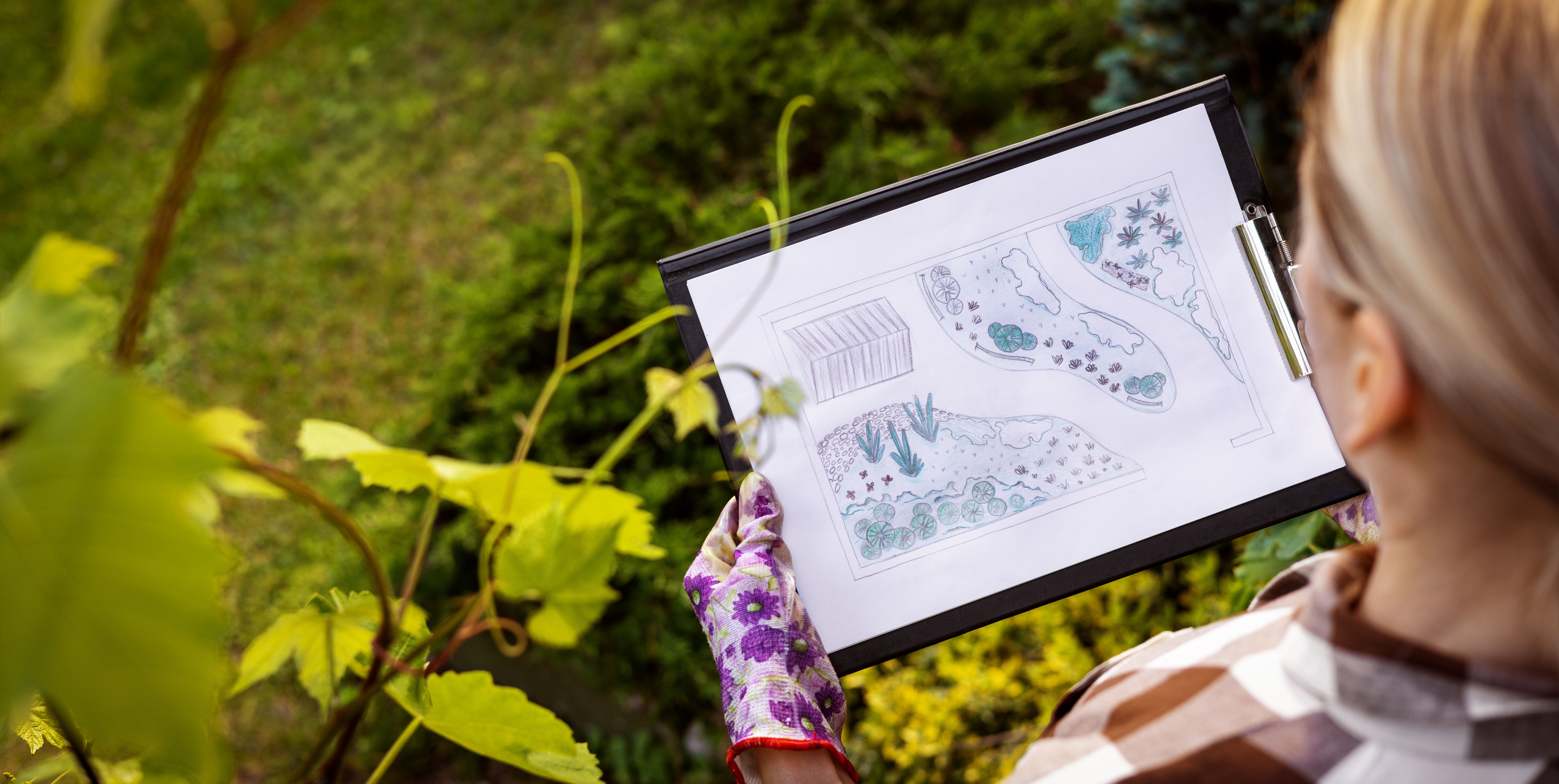
Transforming your backyard into a thriving edible landscape is a rewarding journey. It begins with a well-thought-out plan that considers your space, climate, and personal tastes. Start by assessing the sunlight, soil quality, and space available in your yard. Mapping these can help you visualize where to place various plants for optimal growth and yield.
Consider the types of edibles you want to grow. Are you aiming for a variety of fruits, vegetables, herbs, or a combination of all three? Choose plants that will thrive in your region's climate and suit your culinary preferences. This ensures that your garden remains fruitful and enjoyable all year round.
Choosing the Right Plants
Selecting the right plants is crucial for a successful edible landscape. Focus on native or well-adapted species, as these are more likely to thrive with minimal intervention. Additionally, consider companion planting, which involves growing certain plants together to enhance growth, deter pests, and improve soil health.
Some popular choices for edible landscapes include tomatoes, peppers, lettuce, and strawberries. Herbs like basil, rosemary, and thyme not only add flavor to your dishes but also serve as excellent companion plants. Experiment with a mix of perennials and annuals to keep your garden productive and diverse.
Designing for Aesthetics and Functionality
While productivity is a priority, aesthetics should not be overlooked. A well-designed edible landscape can be as beautiful as it is functional. Use a mix of plant heights, colors, and textures to create visual interest. For instance, towering sunflowers can provide a backdrop to lower-growing vegetables and herbs.
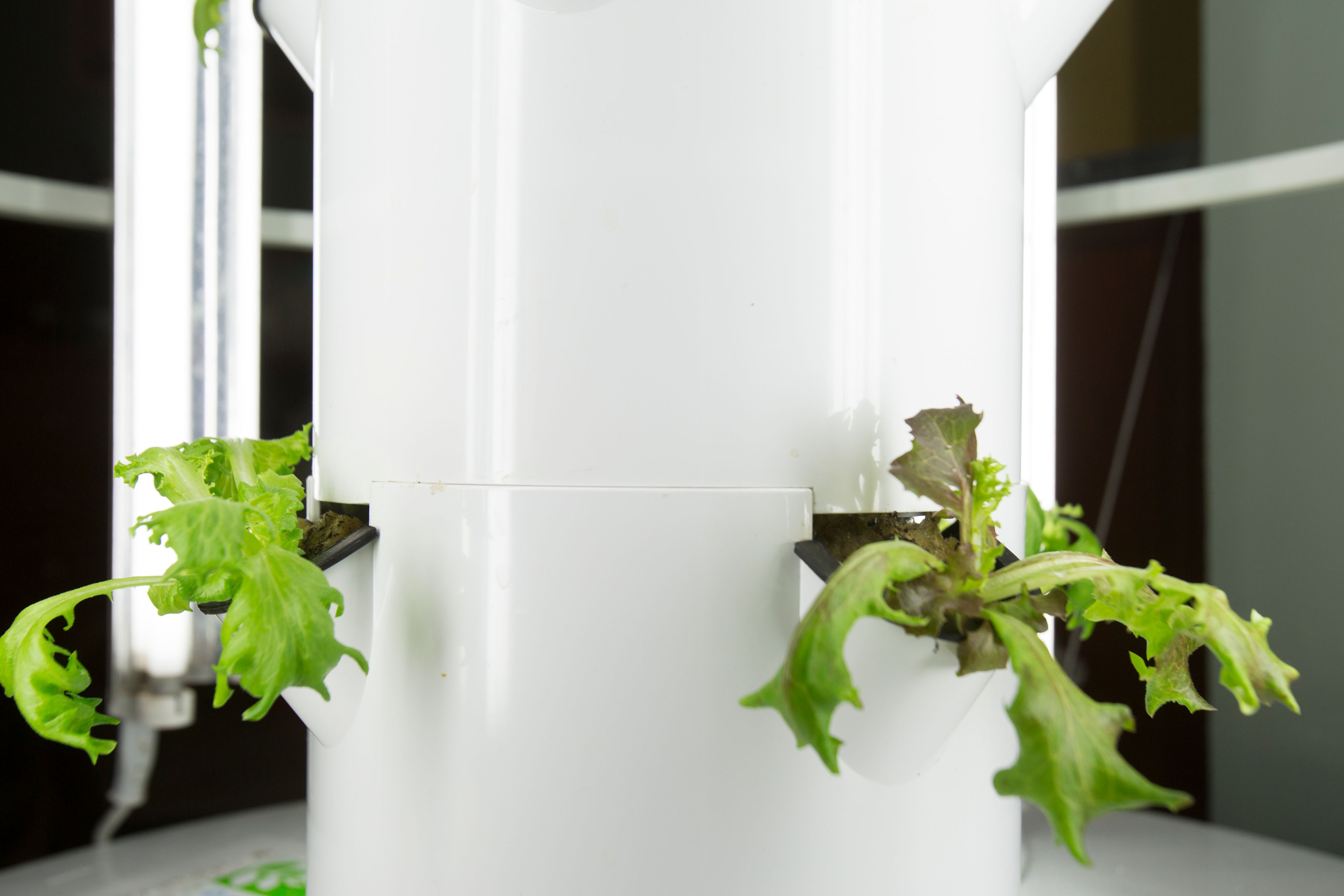
Incorporate paths and borders to guide movement and define spaces within your garden. Raised beds can add structure and make maintenance easier. Additionally, consider adding trellises or arbors for climbing plants like beans and cucumbers. This not only maximizes vertical space but also adds an architectural element to your garden.
Maintaining Your Edible Landscape
Regular maintenance is key to keeping your edible landscape thriving. This includes watering, weeding, and monitoring for pests. Implementing sustainable practices like mulching can help retain soil moisture and suppress weeds, reducing the need for frequent watering and weeding.
Pest management is another critical aspect. Encourage beneficial insects such as ladybugs and bees by planting a variety of flowers. These insects help pollinate your plants and manage harmful pest populations naturally.
Harvesting and Enjoying the Fruits of Your Labor
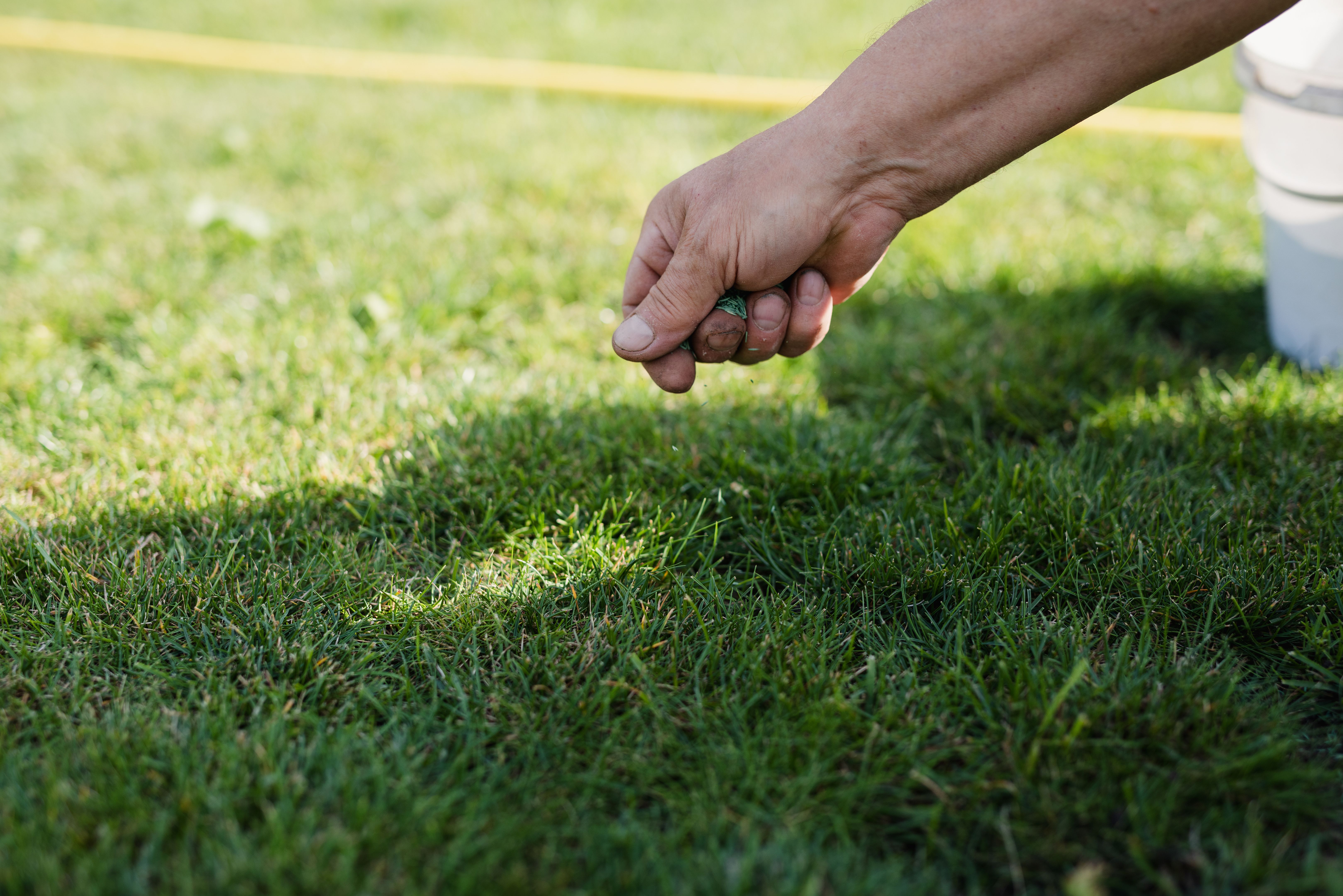
One of the most satisfying parts of an edible landscape is harvesting fresh produce. Regular harvesting not only ensures you enjoy your garden's bounty but also encourages continued growth. Learn the best times to harvest each type of plant to enjoy them at their peak flavor and nutrition.
Share your harvest with family and friends, or try preserving techniques like canning and drying to enjoy your produce year-round. Experiment with new recipes and flavors, making the most of your garden's offerings.
Conclusion
Transforming your backyard into an edible landscape is an enriching endeavor that brings beauty, sustainability, and delicious rewards. With thoughtful planning, careful plant selection, and regular maintenance, your backyard can become a productive oasis. Embrace the journey and enjoy the many benefits of an edible landscape.