Top Summer Crop Maintenance Tips for Florida Homesteaders


As summer approaches, Florida homesteaders face unique challenges in managing their crops. The heat, humidity, and frequent rains can make crop maintenance a daunting task. However, with the right strategies, you can keep your garden thriving throughout the season.
Understanding Florida's Summer Climate
Florida's summer climate is characterized by high temperatures and humidity levels, often accompanied by afternoon thunderstorms. These conditions can be both beneficial and challenging for crop growth. Understanding this climate is essential for effective crop maintenance.
One of the main challenges is managing water levels. Despite frequent rains, evaporation rates are high, which can lead to rapid soil drying. Homesteaders should monitor soil moisture and adjust watering schedules accordingly.
Choosing the Right Crops
Selecting crops that thrive in Florida’s summer climate is crucial. Some heat-tolerant options include okra, sweet potatoes, and eggplant. These crops can withstand high temperatures and are less likely to succumb to heat-related stress.
Consider planting varieties that are resistant to local pests and diseases. This can reduce the need for chemical interventions and promote a healthier garden environment.
Companion Planting
Companion planting can be a useful strategy. Pairing certain plants together can help repel pests, improve pollination, and maximize space. For example, planting marigolds alongside vegetables can deter nematodes and other pests.
Soil Management Techniques
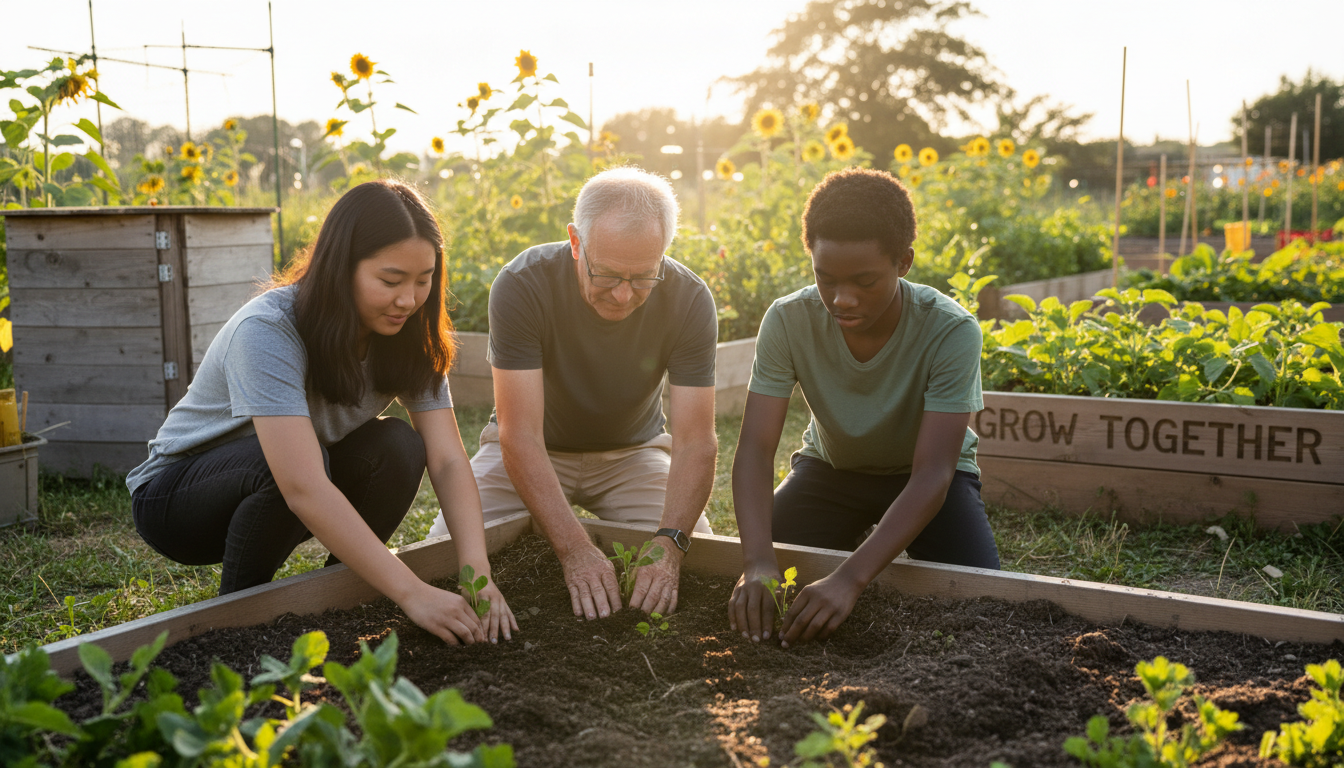
Healthy soil is the foundation of any successful garden. In Florida, sandy soils are common, which can lead to poor nutrient retention. Incorporating organic matter like compost can improve soil structure and fertility.
Mulching is another effective technique. Applying a layer of mulch can help retain soil moisture, regulate temperature, and suppress weeds. Choose organic mulches like straw or pine needles for the best results.
Pest and Disease Control
Summer in Florida is a peak time for pests and diseases. Regular monitoring is essential to catch any issues early. Use natural pest control methods, such as introducing beneficial insects like ladybugs and lacewings.
For diseases, ensure proper airflow around plants and avoid overhead watering to reduce the risk of fungal infections. Crop rotation is another strategy to prevent soil-borne diseases from taking hold.
Efficient Watering Practices
Watering efficiently is key to conserving resources while ensuring your crops get the hydration they need. Drip irrigation systems can provide consistent moisture directly to the roots, reducing water waste.
Water early in the morning or late in the evening to minimize evaporation and allow plants to absorb moisture before the heat of the day sets in.
By implementing these maintenance tips, Florida homesteaders can enjoy a productive and rewarding summer growing season. With careful planning and attention to detail, your crops will thrive under the summer sun.