Top 5 Mistakes New Homesteaders Make and How to Avoid Them


Starting Too Big
One of the most common mistakes new homesteaders make is starting too big. It's easy to get caught up in the excitement of your new journey and want to do everything at once. However, taking on too much can quickly lead to burnout.
Start small and gradually expand. Focus on mastering a few skills at a time, such as gardening or raising a small number of chickens. As you gain confidence and experience, you can scale up your operations.

Ignoring Local Climate and Soil Conditions
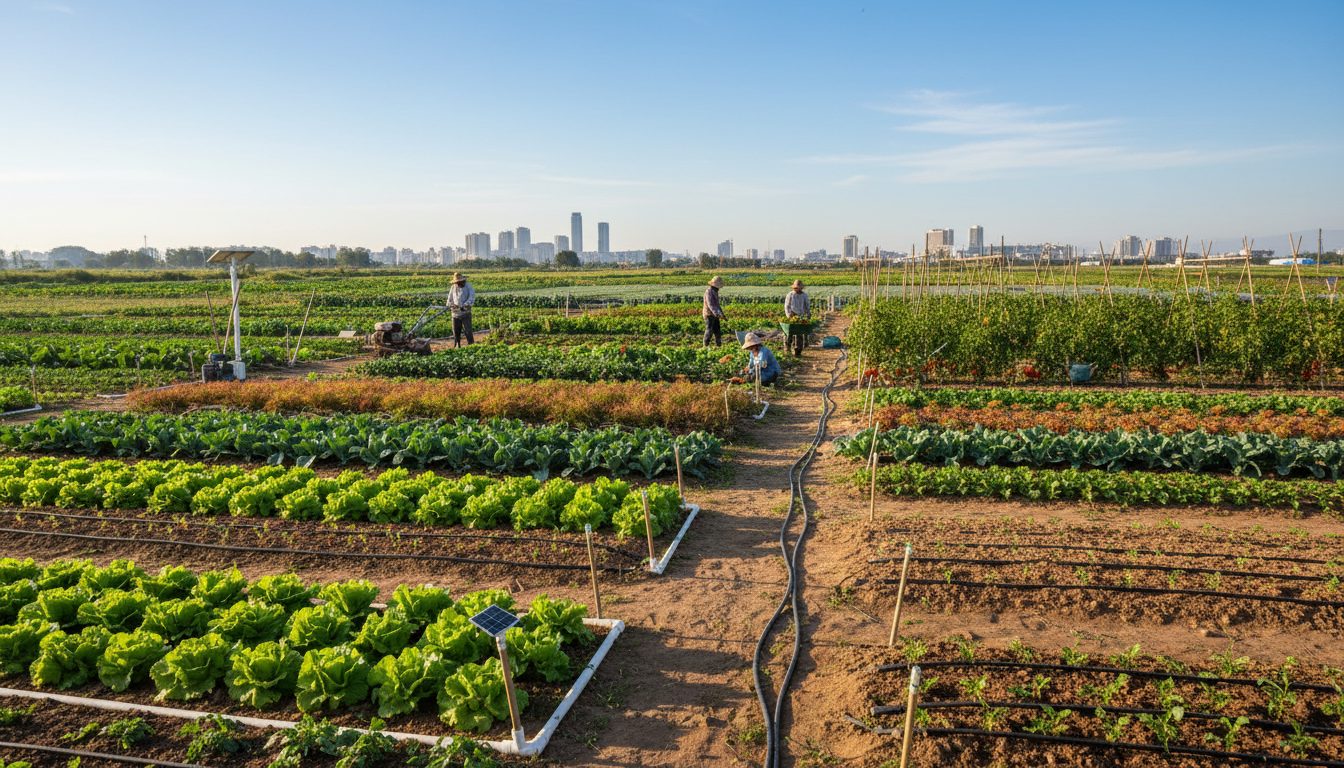
Understanding your local environment is crucial. Many new homesteaders make the mistake of planting crops or raising animals that aren't suited to their climate or soil conditions. This can lead to disappointing yields and unnecessary frustration.
Research what grows best in your area and tailor your plans accordingly. Local extension services or experienced homesteaders in your community can be invaluable resources.
Underestimating Time and Labor
Homesteading is a labor-intensive lifestyle, and many beginners underestimate the time and effort required. Tasks such as planting, weeding, feeding animals, and preserving food can quickly fill your day.
Create a realistic schedule and prioritize tasks. Remember, it's okay to ask for help from family, friends, or neighbors, especially during busy seasons like planting or harvest.
Neglecting Financial Planning
While homesteading can lead to a more self-sufficient lifestyle, it doesn't eliminate financial needs. Many new homesteaders overlook the costs associated with starting and maintaining a homestead, such as tools, seeds, animal feed, and infrastructure.
Set a budget and track your expenses carefully. Consider starting with cost-effective projects and gradually reinvesting profits into expanding your homestead.
Overlooking Community Connections
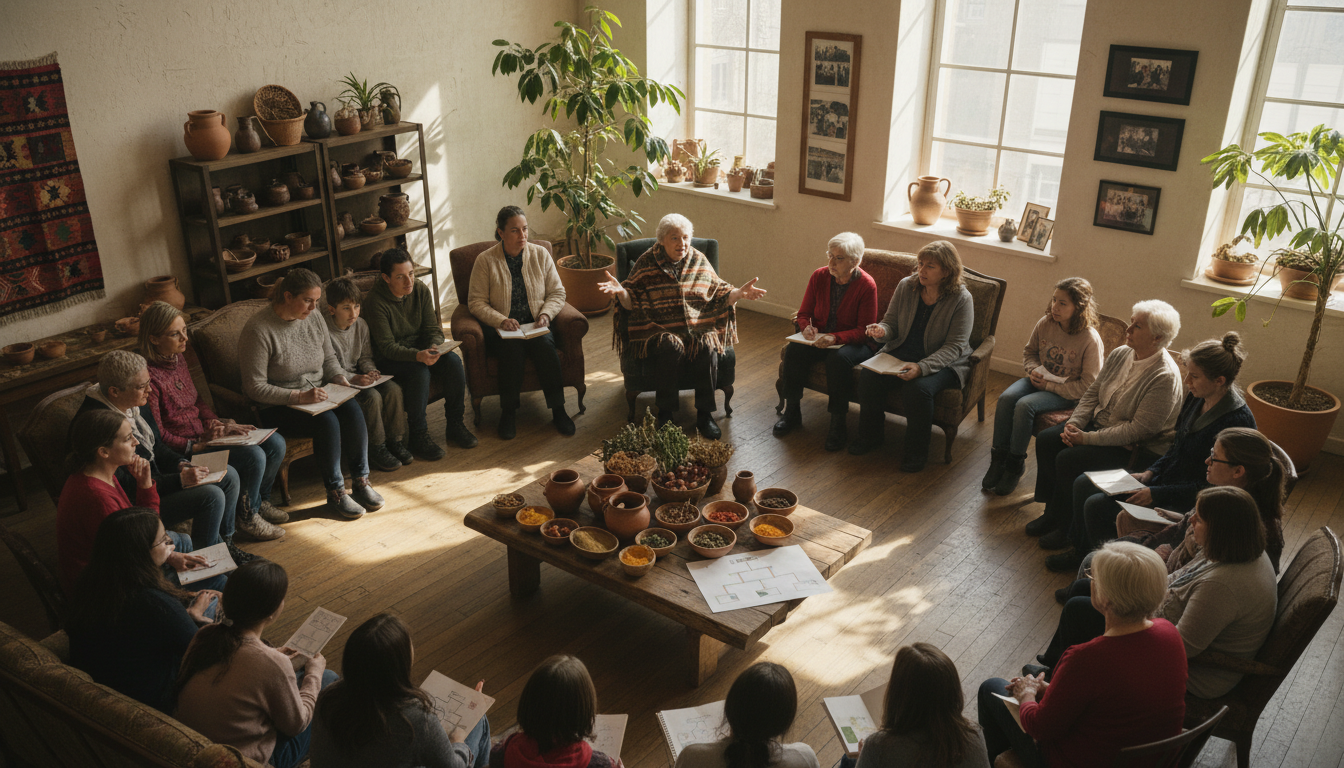
Homesteading can sometimes feel isolating, but it's important to build a network of like-minded individuals. New homesteaders often overlook the value of community connections, which can provide support, knowledge, and resources.
Join local homesteading groups, attend workshops, or participate in community events. These connections can offer practical advice and emotional support, making your homesteading journey more enjoyable and sustainable.