Top 5 Misconceptions About Starting a Homestead in Florida


Misconception 1: Florida's Climate is Always Perfect for Homesteading
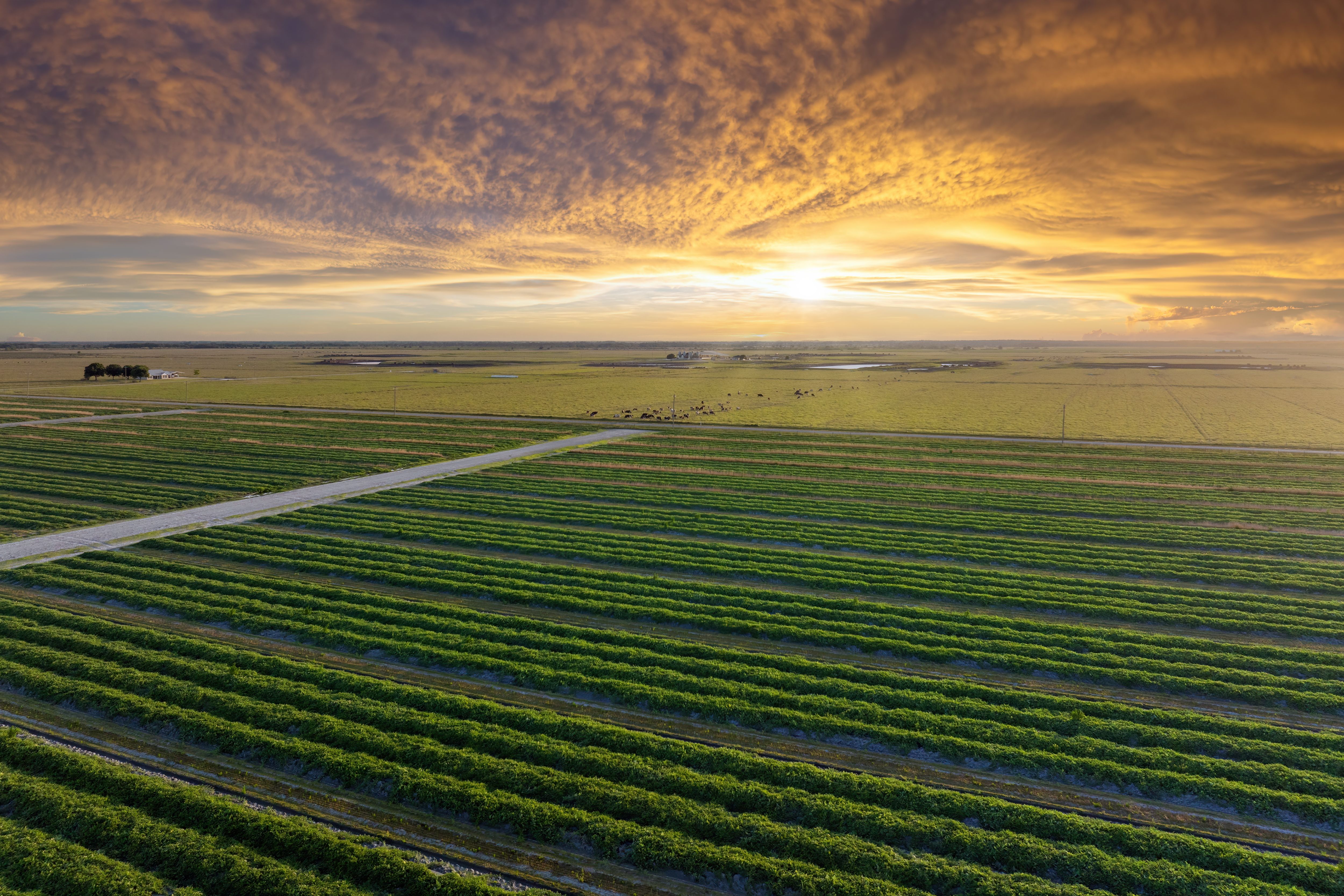
Many people assume that Florida's warm weather is ideal year-round for farming and gardening. While the state does boast a long growing season, it also presents unique challenges such as intense heat, humidity, and occasional frost. Understanding the local climate and selecting appropriate crops is crucial for success.
Understanding Seasonal Variations
Florida's climate varies significantly from north to south, with the northern parts experiencing cooler winters. Homesteaders must plan for these variations and sometimes employ techniques like greenhouse gardening to protect sensitive plants.
Misconception 2: Homesteading in Florida is Inexpensive
While Florida's land prices might be lower compared to some other states, the cost of establishing a homestead can add up quickly. Expenses such as land preparation, irrigation systems, and pest control can surprise newcomers.

Budgeting for Unseen Costs
It's essential to account for ongoing costs like property taxes and maintenance. Creating a detailed budget before purchasing land can help prevent financial strain and ensure a sustainable homesteading venture.
Misconception 3: Anyone Can Grow Citrus Without Issues
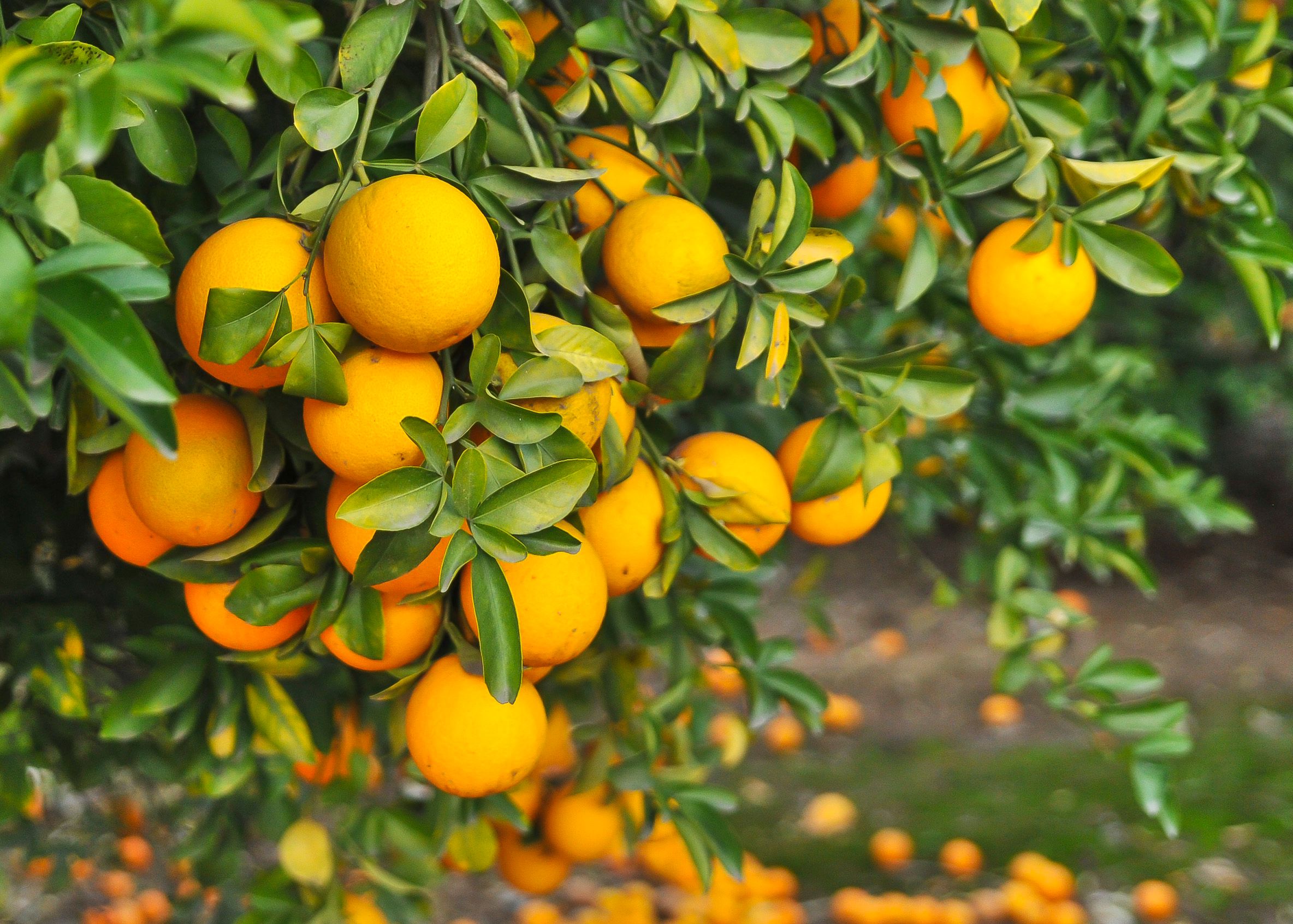
Florida is famous for its citrus, but growing these fruits successfully requires specific knowledge and skills. Pests, diseases, and soil conditions can all impact citrus production, making it less straightforward than many imagine.
Dealing with Common Challenges
Understanding local pest management and soil amendment techniques is vital. Homesteaders should research and possibly seek advice from local agricultural extensions to overcome these challenges effectively.
Misconception 4: All Florida Land is Suitable for Homesteading
Not all land in Florida is ideal for agriculture. Wetlands, sandy soil, and flood-prone areas can pose significant challenges for homesteaders. Selecting the right location is a critical step in ensuring long-term success.
Evaluating Land for Homesteading
Conducting thorough research and possibly enlisting the help of a land surveyor can provide insights into soil quality, water availability, and any potential environmental restrictions.
Misconception 5: Homesteading is a Solitary Endeavor
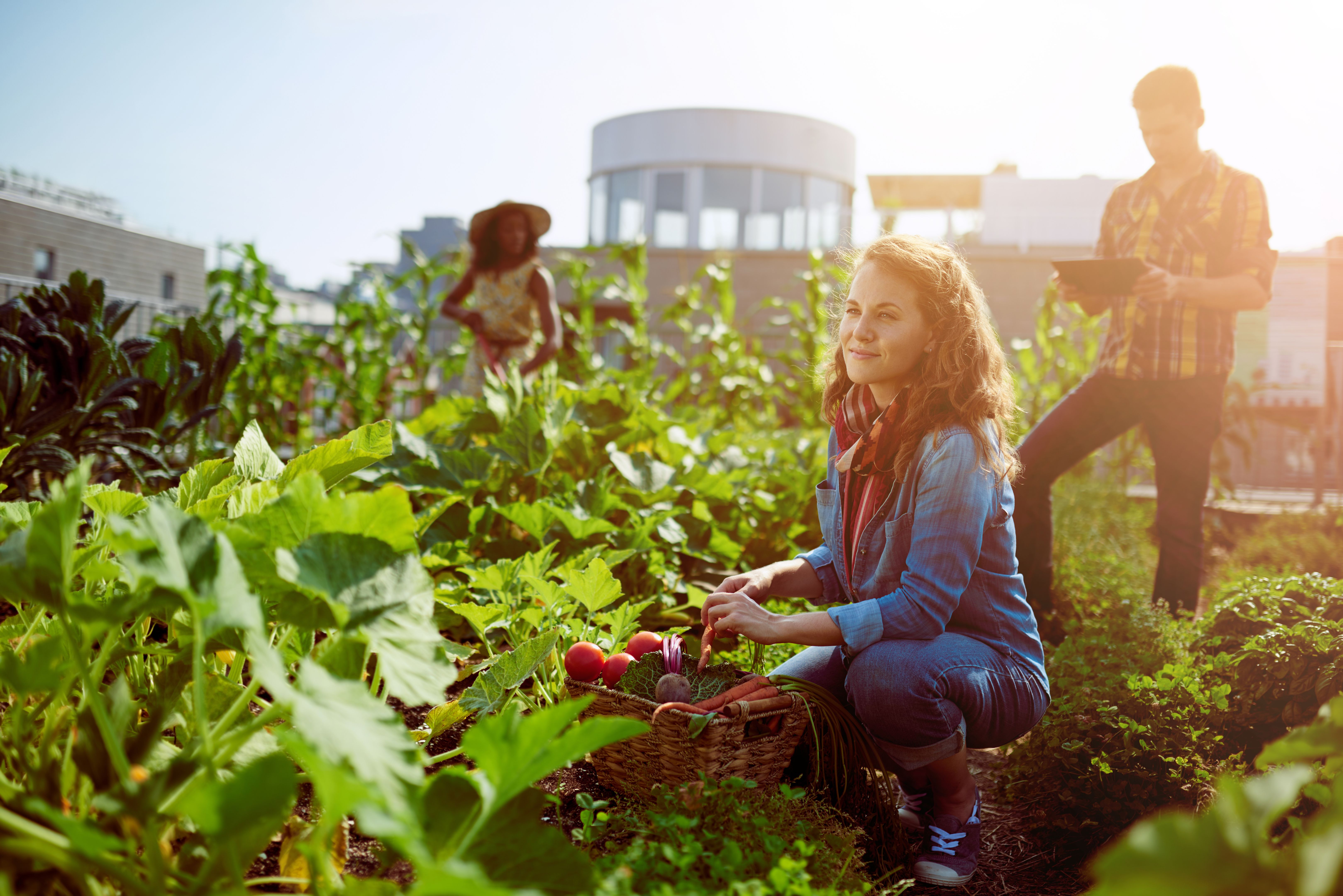
Many envision homesteading as a solitary lifestyle, but community engagement can be incredibly beneficial. Joining local gardening clubs or co-ops can provide support, resources, and knowledge sharing.
Building a Support Network
Engaging with local farmers and homesteaders can offer invaluable insights and foster a sense of community, making the journey more enjoyable and less isolating.