The Latest Advancements in Sustainable Agriculture: What Floridians Need to Know


Introduction to Sustainable Agriculture
As concerns about climate change and environmental degradation grow, sustainable agriculture has become a critical focus for many. In Florida, where agriculture plays a significant role in the economy, understanding the latest advancements is essential. Sustainable agriculture aims to meet society's food and textile needs in the present without compromising the ability of future generations to meet their own needs.
Recent innovations are transforming how agriculture is practiced, promising not only to reduce environmental impact but also to enhance productivity and profitability for farmers. This post explores some of these advancements and what they mean for Floridians.
Precision Agriculture: A Technological Revolution
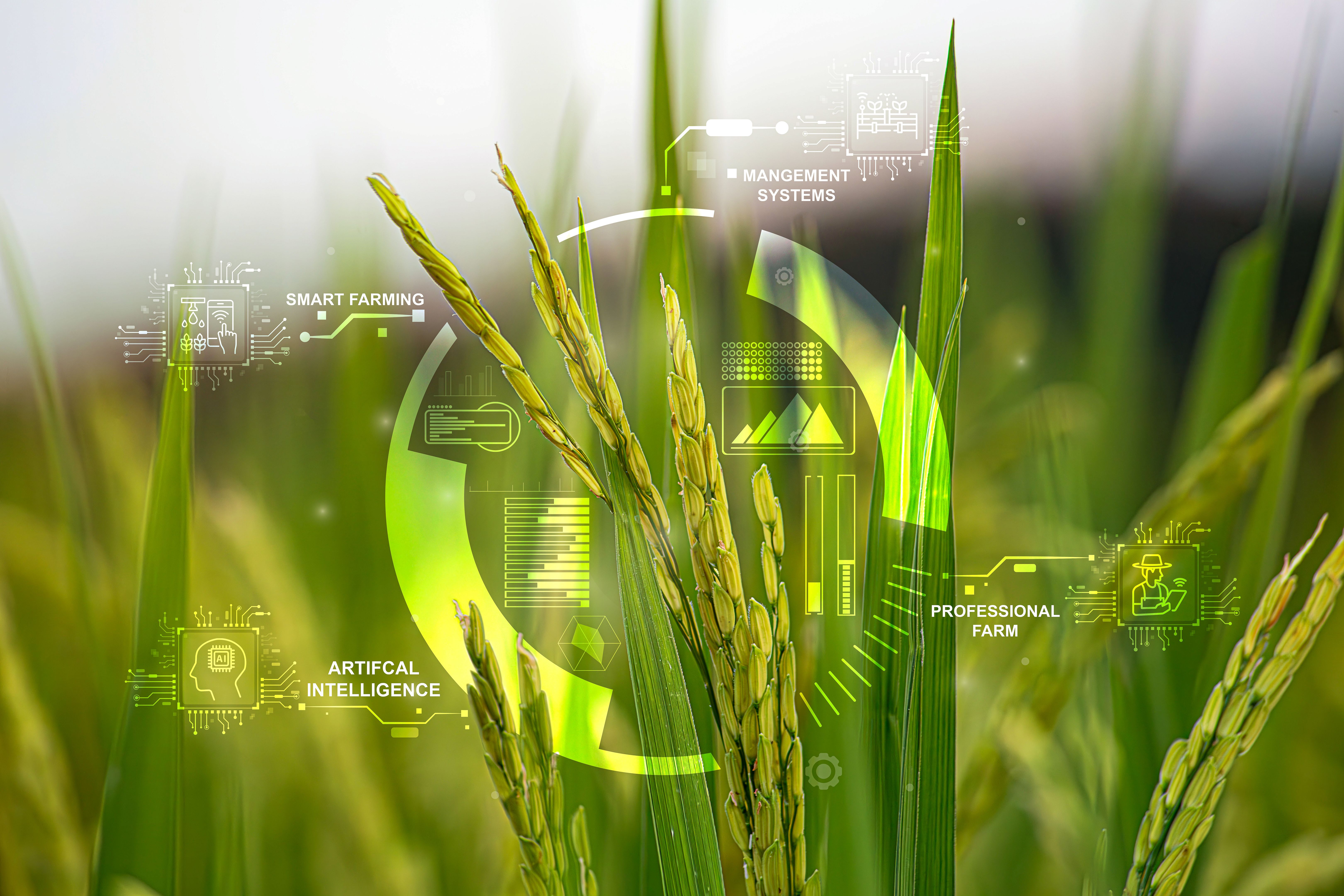
Precision agriculture involves using technology to monitor and manage field variability in crops. This approach ensures that crops and soil receive exactly what they need for optimum health and productivity. Technologies like GPS guidance, drones, and IoT devices are being utilized for smarter farming practices.
For Floridians, this means more efficient use of resources such as water and fertilizers, which are crucial given the state's unique environmental challenges. This technology not only enhances yield but also minimizes waste and environmental impact.
Benefits of Precision Agriculture
- Increased Efficiency: Optimizes resource use, reducing waste.
- Cost Savings: Lowers input costs through targeted applications.
- Environmental Protection: Decreases runoff and pollution.
Organic Farming: A Green Alternative
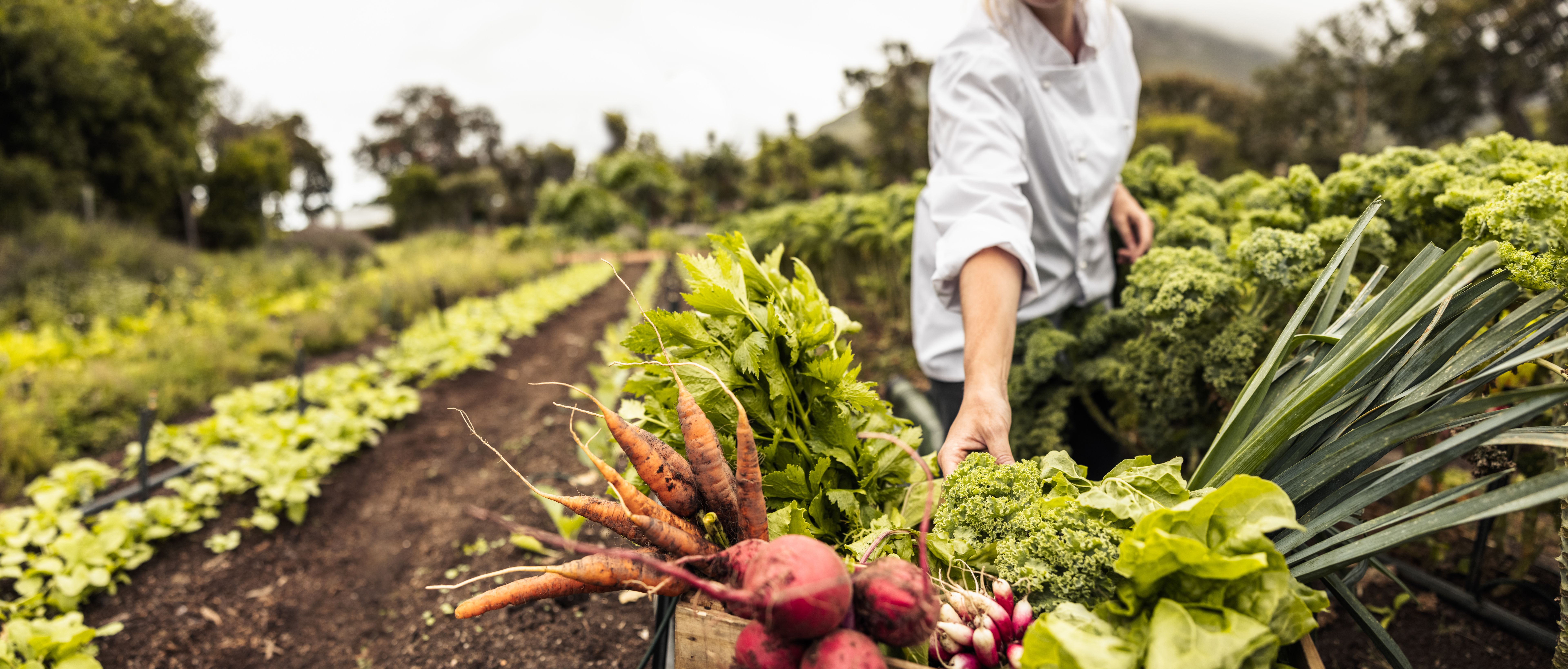
Organic farming continues to gain traction as a sustainable alternative to conventional agriculture. This method avoids synthetic fertilizers and pesticides, instead relying on natural processes and materials. In Florida, organic farming is particularly relevant due to the state's diverse ecosystem and consumer demand for organic products.
Farmers are adopting organic practices to improve soil health, enhance biodiversity, and produce healthier food options. These practices not only benefit the environment but also cater to a growing market of health-conscious consumers.
Key Practices in Organic Farming
- Crop Rotation: Helps control pests and diseases.
- Composting: Recycles organic waste into valuable nutrients.
- Biological Pest Control: Uses natural predators to manage pests.
Agroforestry: Integrating Trees into Agriculture
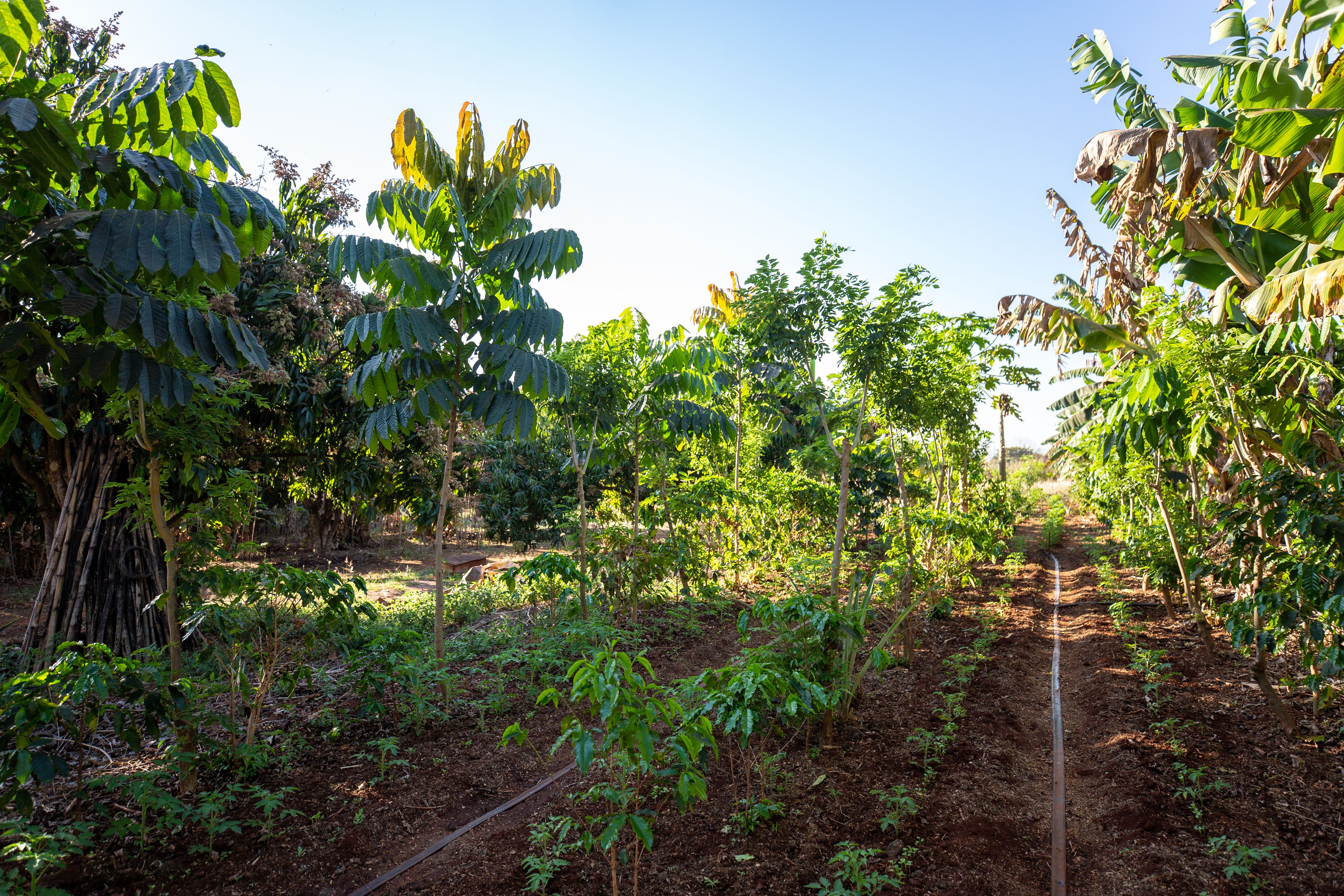
Agroforestry combines agriculture and forestry to create more diverse, productive, and sustainable land-use systems. This method integrates trees and shrubs into crop and livestock operations, offering numerous benefits such as improved soil health, increased biodiversity, and enhanced carbon sequestration.
For Florida's farmers, agroforestry presents an opportunity to enhance resilience against extreme weather events, a common challenge in the region. By incorporating trees, farmers can improve microclimates and protect crops from harsh conditions.
Advantages of Agroforestry
- Soil Improvement: Trees enhance soil structure and fertility.
- Climate Adaptation: Provides shelter and reduces erosion.
- Biodiversity Boost: Supports a diverse range of species.
Conclusion: Embracing Sustainable Practices
As Florida continues to evolve in its agricultural practices, embracing sustainable methods is not just beneficial but necessary. The advancements in precision agriculture, organic farming, and agroforestry provide promising pathways for a more sustainable future.
By adopting these practices, Floridian farmers can contribute to environmental conservation while also ensuring economic viability. These advancements are paving the way for a new era of agriculture that aligns with both ecological integrity and social responsibility.