The Essentials of Permaculture Design for Small-Acreage Owners


Understanding Permaculture
Permaculture is a sustainable design philosophy that mimics natural ecosystems to create self-sufficient agricultural systems. For small-acreage owners, it offers an opportunity to transform limited space into a thriving, productive environment. By focusing on earth care, people care, and fair share, permaculture fosters ecological balance and community well-being.
Principles of Permaculture Design
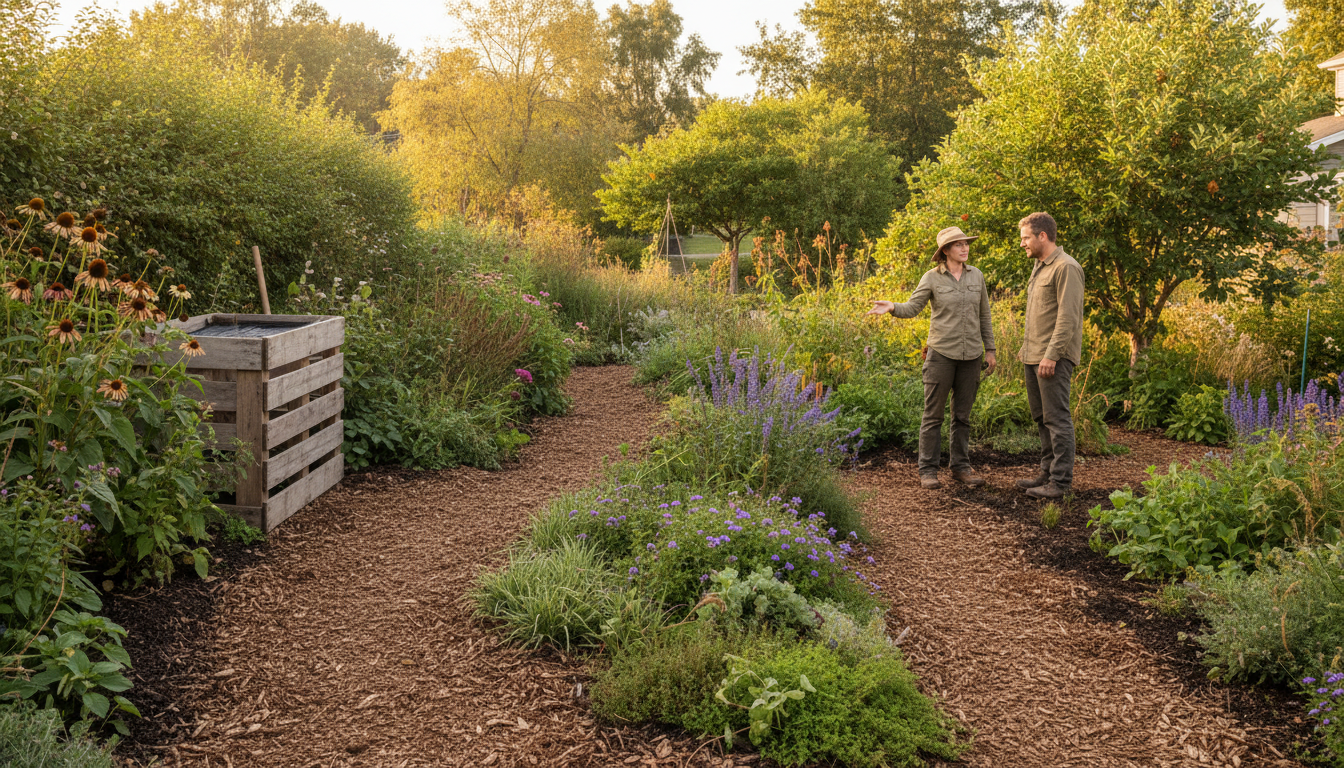
Permaculture design is guided by several core principles. These include observing and interacting with your environment, capturing and storing energy, and obtaining a yield. By applying these principles, small-acreage owners can create efficient and sustainable systems that work in harmony with nature.
Another key principle is integrating rather than segregating. This involves designing systems where elements support each other, reducing waste and maximizing productivity. For example, integrating chickens with a vegetable garden allows for natural pest control and fertilization.
Site Assessment and Planning
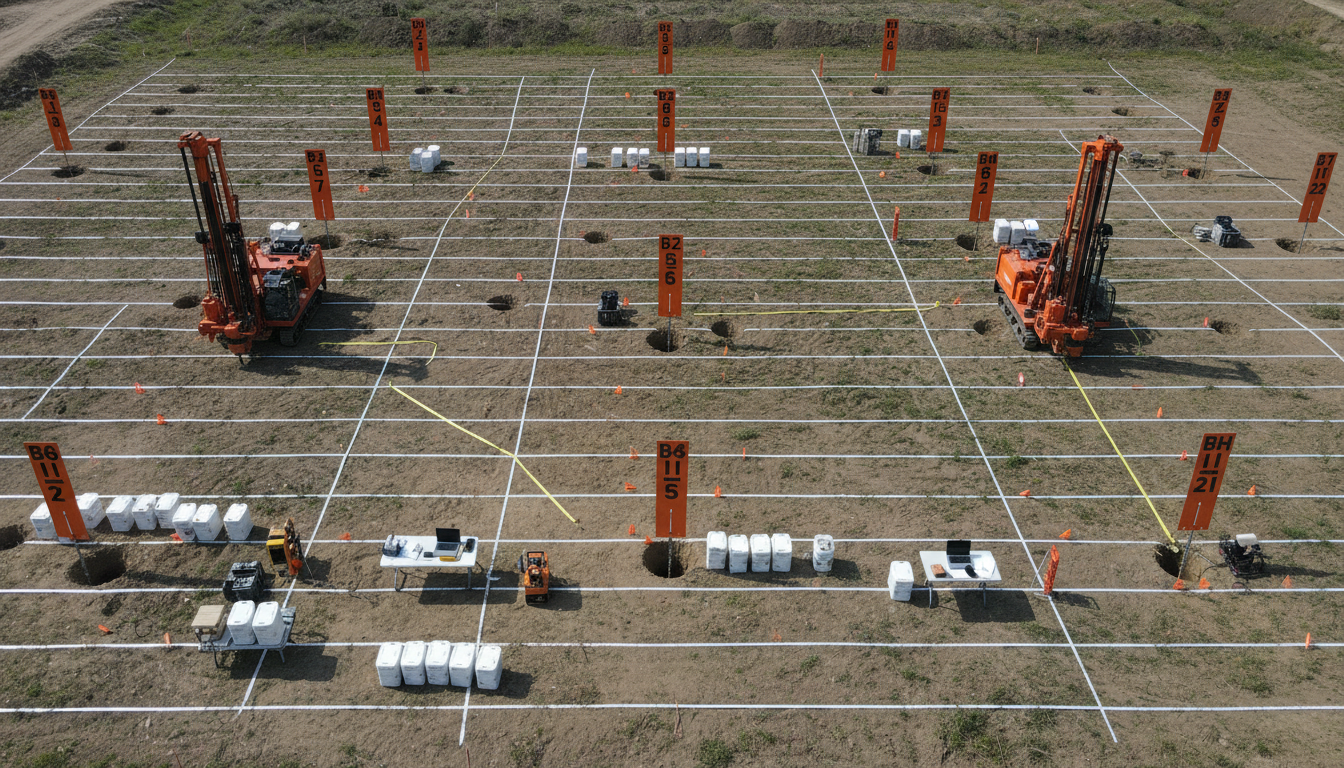
Before diving into permaculture design, conducting a thorough site assessment is crucial. This involves understanding the unique characteristics of your land, including soil type, climate, water sources, and existing vegetation. By analyzing these factors, you can tailor your design to suit your specific conditions.
Planning involves zoning your land according to its use and accessibility. Typically, Zone 1 is the most frequently accessed area, ideal for herb gardens and greenhouses, while Zone 5 is left as a natural wilderness. This zoning helps in organizing resources efficiently.
Water Management
Water is a vital resource in permaculture design. Implementing efficient water management systems can significantly enhance your land's productivity. Techniques such as swales, rainwater harvesting, and greywater recycling can help capture and utilize water effectively.
Swales, for example, are shallow trenches that capture rainwater and allow it to seep into the soil, reducing erosion and supporting plant growth. These systems enhance your land's resilience to drought and reduce reliance on external water sources.

Soil Health and Fertility
Healthy soil is the foundation of any successful permaculture design. Techniques such as composting, mulching, and crop rotation can improve soil structure and fertility. Composting recycles organic waste into nutrient-rich soil, while mulching conserves moisture and suppresses weeds.
Crop rotation prevents nutrient depletion and reduces pest buildup. By rotating crops with different nutrient needs and pest resistances, small-acreage owners can maintain a balanced and productive soil ecosystem.
Creating a Diverse Ecosystem
Diversity is a cornerstone of permaculture. By incorporating a variety of plants, animals, and insects, you can create a resilient ecosystem that supports natural pest control and pollination. Companion planting, for example, involves growing mutually beneficial plants together to enhance growth and deter pests.

Utilizing native species is another effective strategy. Native plants are well-adapted to your local climate and soil, requiring less maintenance and supporting local wildlife.
Conclusion
Permaculture design offers small-acreage owners the opportunity to create sustainable and productive landscapes. By understanding and applying its principles, conducting thorough site assessments, managing water and soil effectively, and promoting biodiversity, you can transform your space into a thriving ecosystem. Embrace permaculture and unlock the potential of your land.