Sustainable Permaculture Principles for Florida Homesteads


Understanding Permaculture
Permaculture is a sustainable design philosophy that aims to create harmonious ecosystems by mimicking nature. For Florida homesteads, applying permaculture principles can lead to a self-sufficient and environmentally friendly lifestyle. This approach not only conserves resources but also enhances biodiversity and resilience against climate challenges.
By focusing on sustainable practices, permaculture helps in creating a balanced environment where both humans and nature thrive. In Florida, with its unique climate and biodiversity, permaculture principles can be particularly effective in ensuring a productive homestead.
Principle 1: Observe and Interact
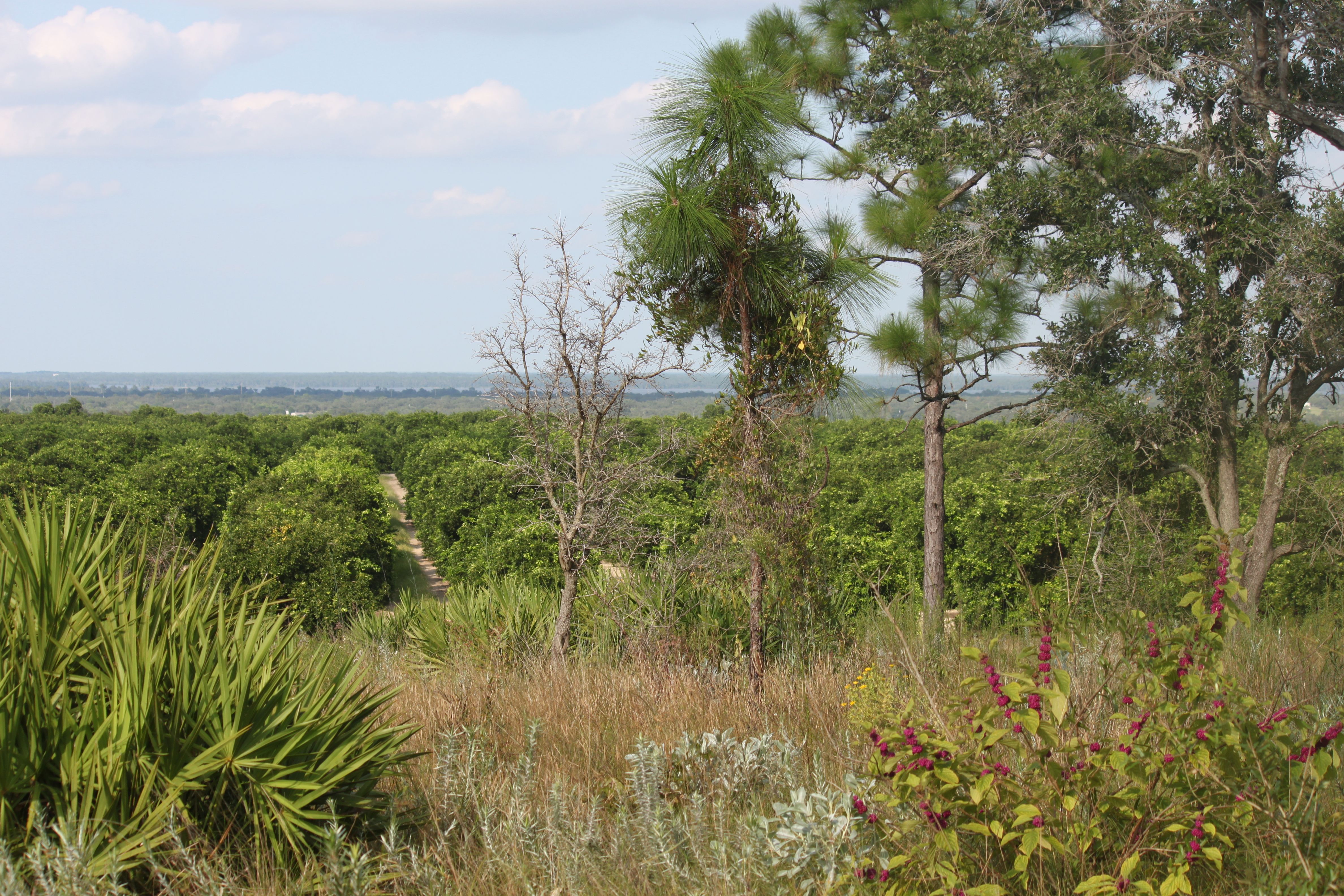
One of the foundational principles of permaculture is to observe your surroundings carefully. Understanding the local climate, soil types, and native species is crucial for any successful permaculture design in Florida. By observing natural patterns, you can implement strategies that are in harmony with the environment.
Interacting with your land means engaging with local ecosystems and learning from them. This knowledge allows you to make informed decisions that support both your needs and the health of the environment.
Principle 2: Catch and Store Energy
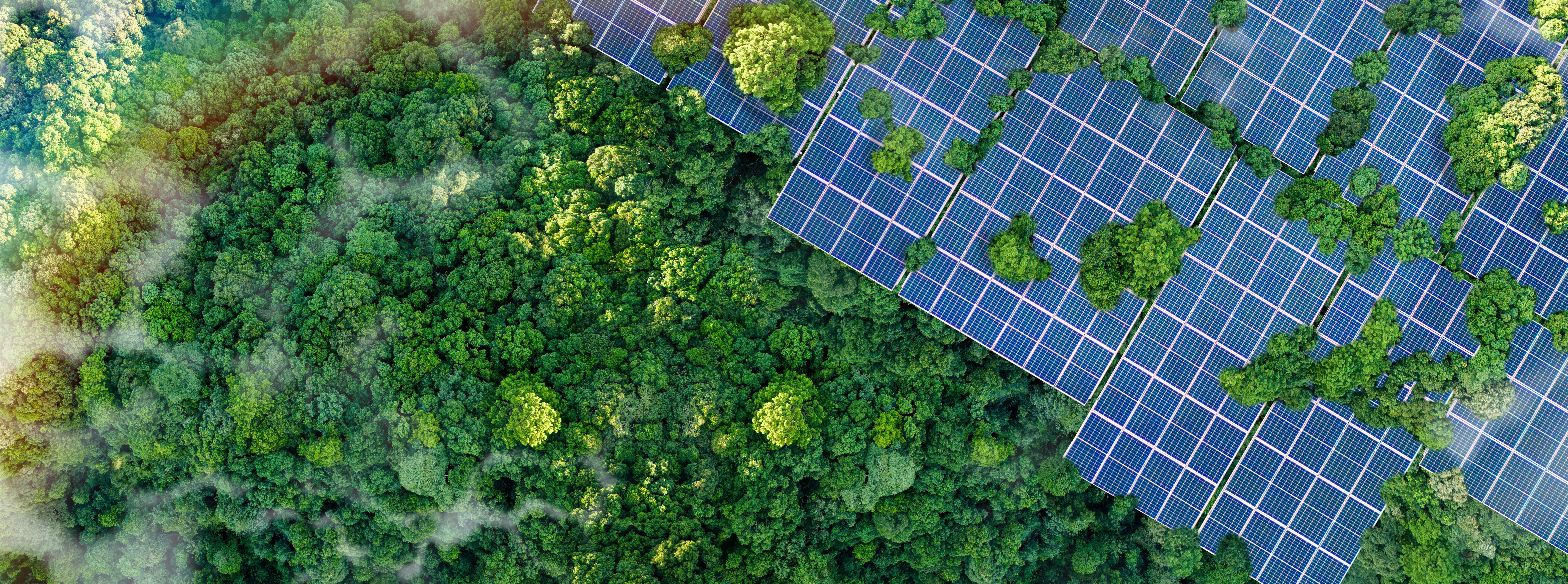
In Florida, abundant sunshine provides a great opportunity to harness solar energy. Installing solar panels can significantly reduce dependency on non-renewable energy sources. Additionally, rainwater collection systems can be used to store water during the rainy season for use during drier periods.
By effectively capturing and storing energy, you can create a more resilient and sustainable homestead. This practice not only conserves natural resources but also reduces utility costs.
Principle 3: Use and Value Renewable Resources
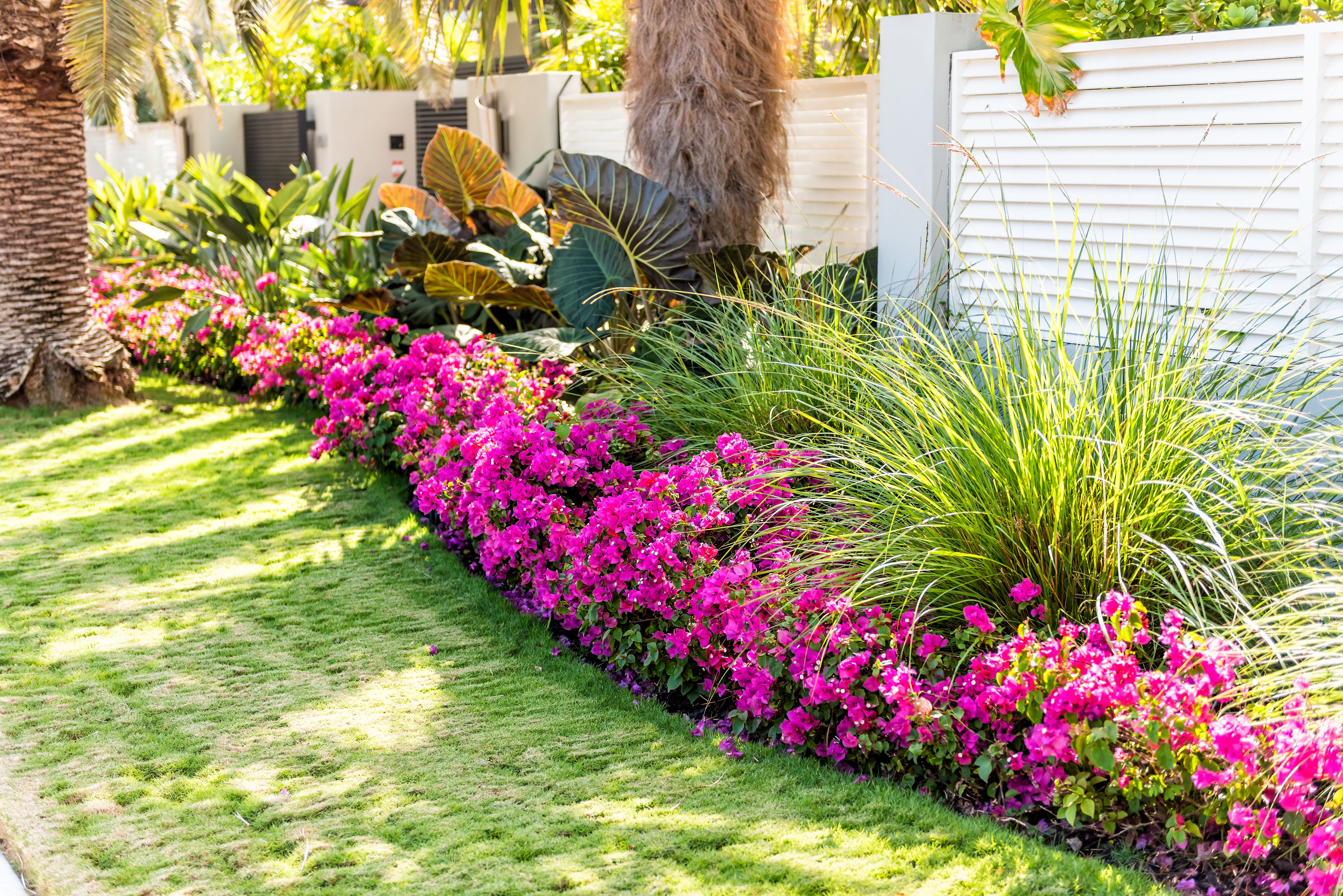
Permaculture encourages the use of renewable resources to maintain ecological balance. In Florida, incorporating native plants that require minimal water and maintenance can enhance your homestead's sustainability. These plants are adapted to local conditions and support local wildlife.
Composting is another way to utilize renewable resources. By recycling organic waste, you can create rich soil that supports plant growth, reducing the need for chemical fertilizers.
Principle 4: Design from Patterns to Details
Understanding the larger patterns in nature helps in creating an effective permaculture design. For Florida homesteads, consider the natural water flow, wind patterns, and sunlight exposure when planning your garden or farm layout.
Once these patterns are recognized, you can focus on the details, such as plant selection and placement, ensuring that each element supports the others. This holistic approach maximizes efficiency and productivity.
Principle 5: Use Small and Slow Solutions
Adopting small and slow solutions ensures more sustainable and manageable growth. Start with a small garden plot or a few fruit trees, and gradually expand as you gain experience and confidence. This approach minimizes risk and allows for adaptation to changing conditions.
In Florida, where weather patterns can be unpredictable, taking small steps ensures that your homestead remains resilient and adaptable to environmental changes.

Conclusion
Implementing permaculture principles in Florida homesteads offers a pathway to sustainability and self-sufficiency. By observing natural patterns, utilizing renewable resources, and designing with care, you can create a thriving ecosystem that benefits both you and the planet. Whether you are just starting or looking to enhance your existing homestead, these principles provide a solid foundation for a sustainable future.