Sustainable Land Development in Florida: Key Considerations


Understanding Sustainable Land Development
Sustainable land development in Florida is an essential consideration for balancing growth and environmental preservation. As the state's population continues to rise, the pressure to develop land responsibly increases. This involves integrating ecological, economic, and social factors to ensure long-term sustainability.
Florida's unique ecosystems, including wetlands and coastal areas, require careful planning to prevent habitat destruction and maintain biodiversity. Developers must work alongside environmental scientists and urban planners to create sustainable solutions.
The Importance of Environmental Impact Assessments
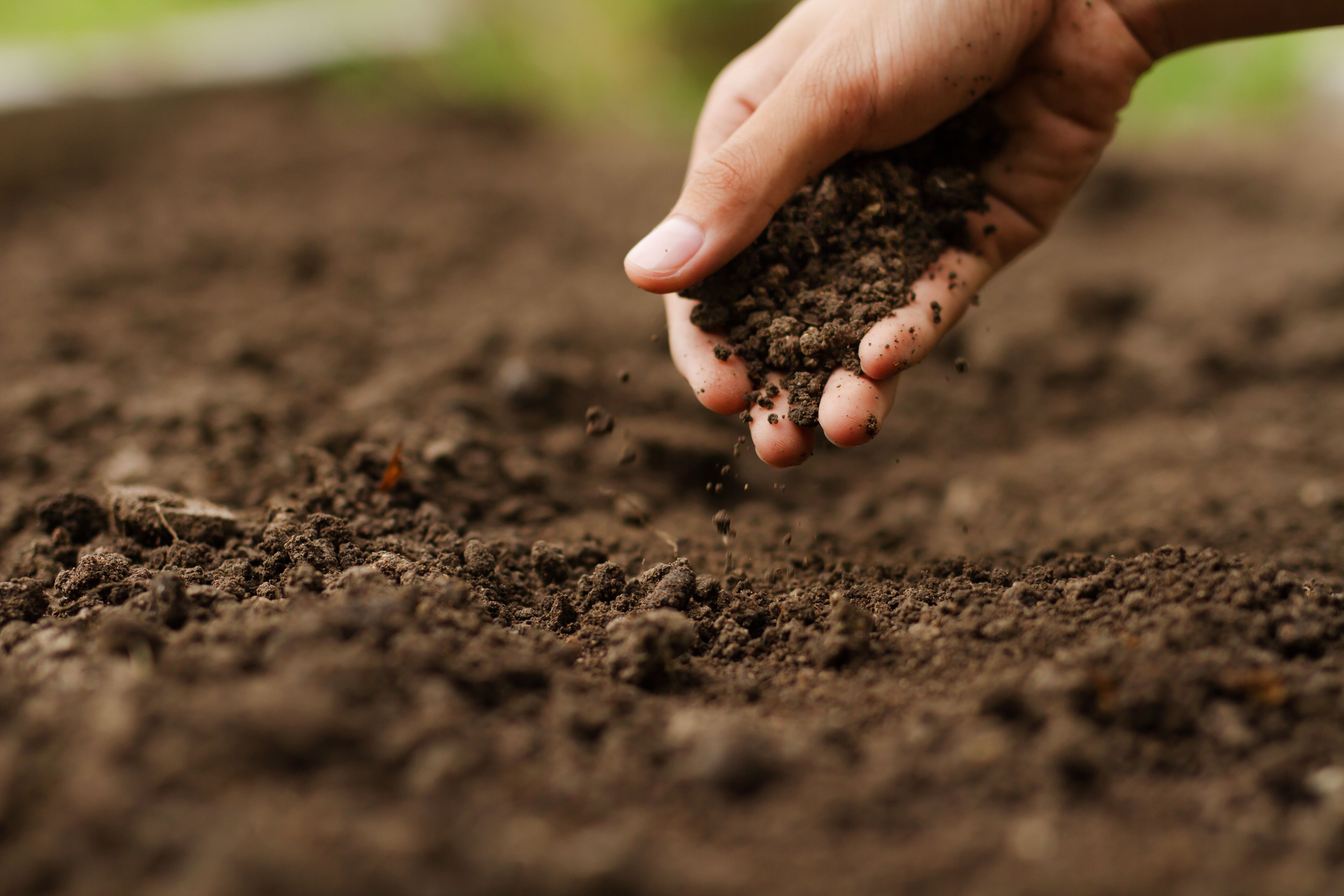
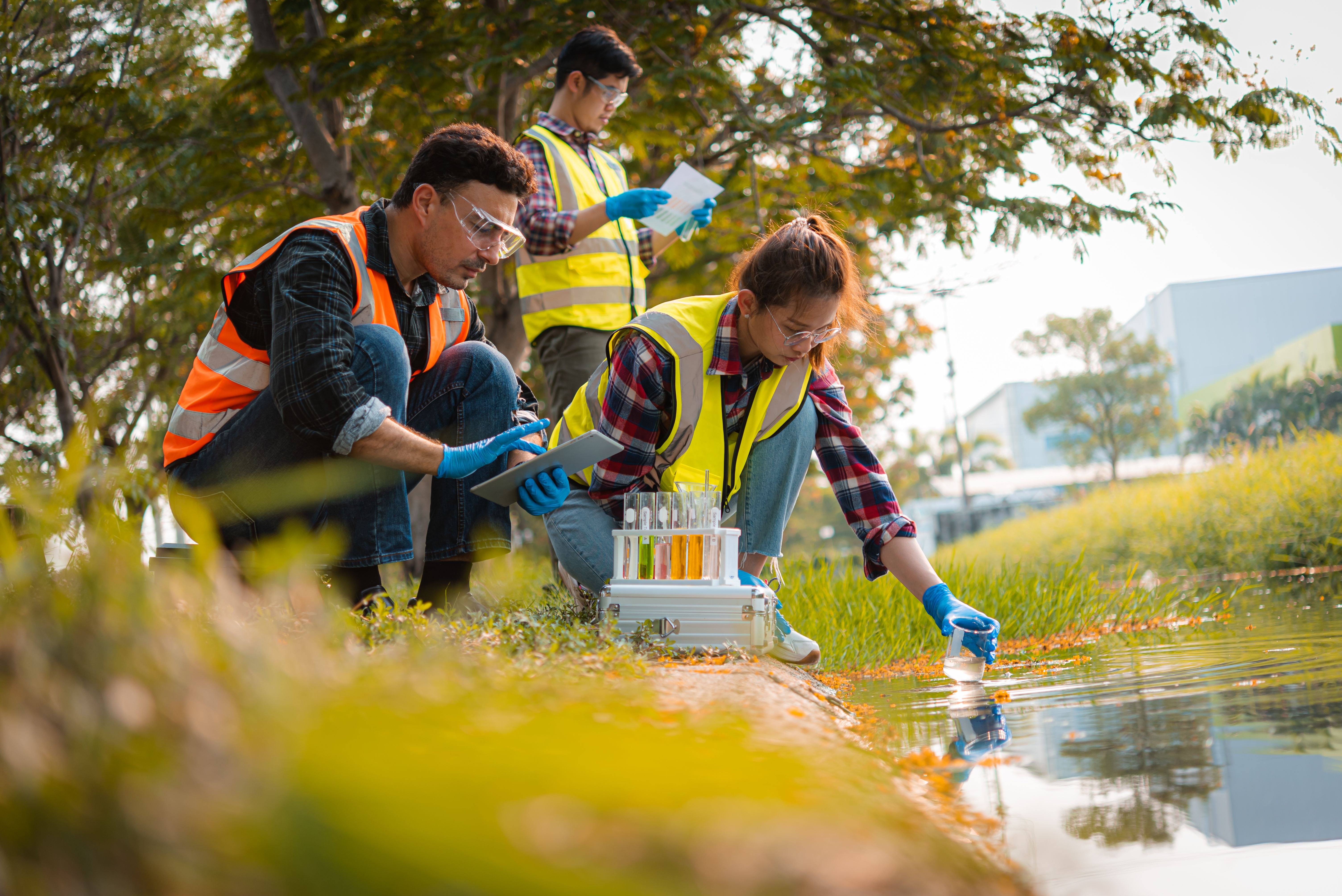
An important step in sustainable land development is conducting thorough environmental impact assessments (EIAs). These assessments help identify potential environmental consequences of proposed projects and suggest measures to mitigate negative impacts. EIAs are crucial for protecting Florida's diverse ecosystems and ensuring regulatory compliance.
Developers should focus on minimizing land disturbance, protecting natural habitats, and conserving water resources. Implementing green building practices can also significantly reduce the environmental footprint of new developments.
Community Involvement and Stakeholder Engagement
Engaging local communities and stakeholders is vital in sustainable land development. Collaboration ensures that the needs and concerns of residents are addressed, leading to more successful and accepted projects. Public consultations and workshops can facilitate open communication and foster trust.
By involving stakeholders, developers can gain valuable insights into local priorities and cultural values, aligning development plans with community goals. This approach not only enhances project acceptance but also contributes to social sustainability.

Challenges and Opportunities
Developing land sustainably in Florida presents both challenges and opportunities. Rising sea levels and climate change pose significant risks to coastal developments, necessitating innovative adaptation strategies. Conversely, these challenges offer opportunities for innovation in sustainable design and technology.
Embracing renewable energy sources, such as solar power, can reduce reliance on non-renewable resources and decrease greenhouse gas emissions. Additionally, using native vegetation in landscaping can conserve water and support local wildlife.
Policy and Regulation
State and local governments play a crucial role in shaping sustainable land development through policies and regulations. Zoning laws, building codes, and conservation easements can guide responsible development practices. It's essential for developers to stay informed about regulatory changes and collaborate with policymakers.
Incentives for sustainable practices, such as tax breaks or grants, can encourage developers to adopt greener approaches. By aligning policies with sustainability goals, Florida can promote economic growth while preserving its natural beauty.

Future Prospects
Looking ahead, the future of sustainable land development in Florida is promising. As awareness and technology advance, developers have more tools and resources to create environmentally friendly projects. The integration of smart city technologies and eco-friendly materials can further enhance sustainability.
Ultimately, the commitment to sustainable land development can lead to a thriving Florida, where economic progress and environmental stewardship go hand in hand. By prioritizing sustainability, Florida can continue to be a model for responsible growth and land management.