Sustainable Farming in Ocala: Planning Your Small Acreage


Understanding Sustainable Farming
Sustainable farming is more than just a trend; it's a thoughtful approach to agriculture that prioritizes environmental health, economic profitability, and social equity. In Ocala, where the landscape is diverse and fertile, small-acreage farmers have a unique opportunity to implement sustainable practices that benefit both their land and community.
Embracing sustainable farming involves utilizing methods that work in harmony with nature. This means reducing chemical inputs, conserving water, and promoting biodiversity. By doing so, farmers can enjoy a healthier ecosystem and a more resilient farm.
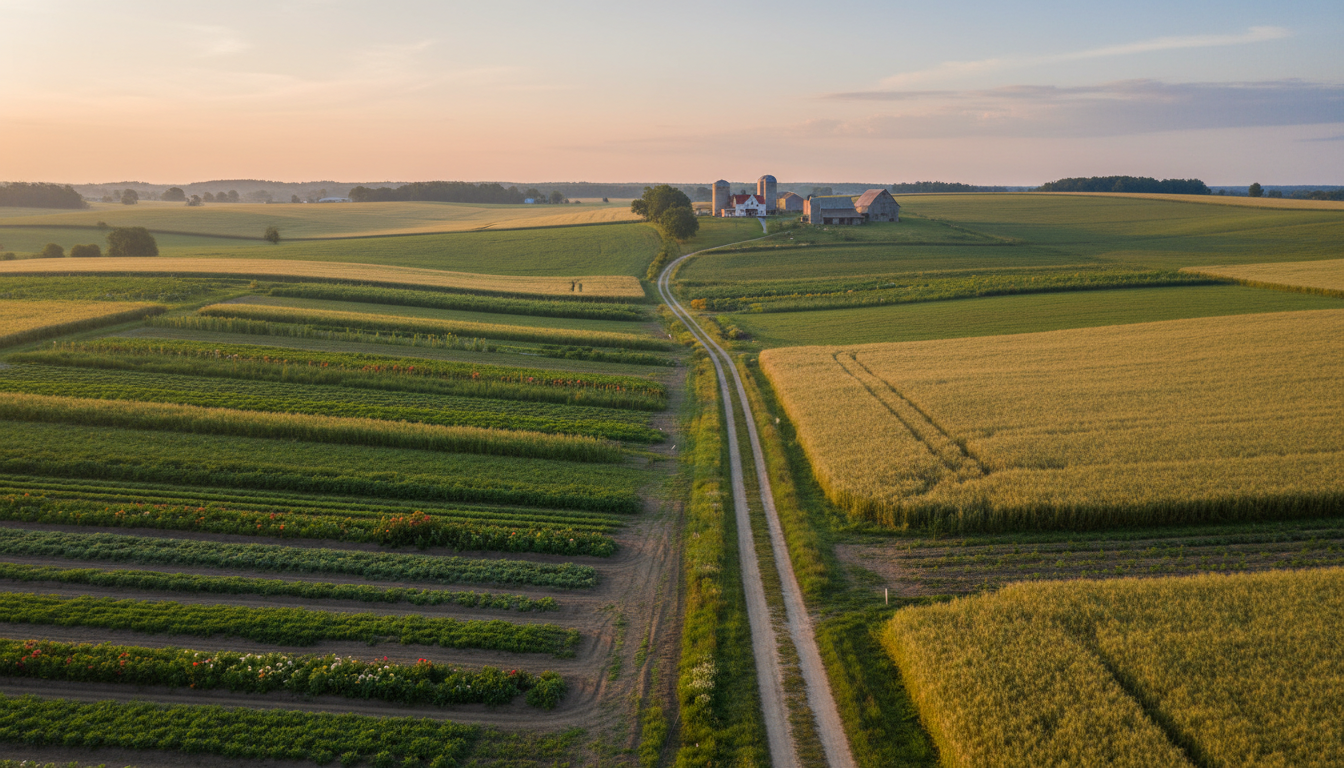
Planning Your Small Acreage
Before diving into sustainable farming, it's crucial to have a comprehensive plan. Start by assessing your land's characteristics, such as soil type, topography, and climate. Understanding these factors will guide your decisions on what crops to plant and what methods to use.
Consider creating a detailed map of your acreage. This map should include any natural features like streams, trees, or slopes. It will help you visualize how to effectively utilize every part of your land. Proper planning ensures that your farming efforts are efficient and productive.

Choosing the Right Crops
One of the critical elements of sustainable farming is selecting the right crops. In Ocala, where the climate is generally warm and humid, crops like sweet corn, tomatoes, and watermelons thrive. Opt for crops that are well-suited to your specific conditions and have a market demand.
Implementing crop rotation and diversification can also enhance soil fertility and reduce pest problems. By rotating crops, you prevent nutrient depletion and break the cycles of pests and diseases, fostering a healthier farm environment.
Implementing Water Conservation Techniques
In sustainable farming, water conservation is paramount. Consider installing drip irrigation systems, which deliver water directly to the plant roots, reducing waste. Collecting rainwater in barrels can also provide a sustainable water source during dry spells.
Mulching is another effective technique to retain soil moisture. By covering the soil with organic materials like straw or wood chips, you reduce evaporation, keeping the soil cool and moist. These practices not only conserve water but also improve soil health.

Promoting Biodiversity
A diverse farm is a healthy farm. Encourage biodiversity by planting a variety of crops and incorporating native plants. This diversity attracts beneficial insects and wildlife, which can help control pests naturally.
Creating habitats for pollinators such as bees and butterflies is also essential. Planting flowers and shrubs that bloom at different times of the year provides a continuous food source for these vital creatures, enhancing your farm's productivity.
Building Community Connections
Sustainable farming thrives on community support. Engage with local farmers' markets, co-ops, and food networks to sell your produce and gain valuable insights. Sharing resources and knowledge with other farmers can lead to innovative solutions and strengthen the local food system.
Consider hosting farm tours or workshops to educate the public about sustainable practices. By fostering a connection between your farm and the community, you create a support system that values and promotes sustainable agriculture.

In conclusion, sustainable farming in Ocala offers a path to a more resilient and environmentally friendly agricultural practice. By planning carefully, choosing the right crops, conserving water, promoting biodiversity, and building community connections, small-acreage farmers can make a significant impact. Embrace these strategies to ensure your farm thrives sustainably for years to come.