Sustainable Design and Permaculture Principles for Florida Landowners


Understanding Sustainable Design
Sustainable design is all about creating environments that work in harmony with nature. For Florida landowners, it's crucial to consider how your landscape can support both the ecosystem and your needs. By focusing on sustainability, you not only contribute to environmental conservation but also enjoy long-term benefits like reduced maintenance costs and increased property value.
Incorporating sustainable design principles involves using resources efficiently and minimizing waste. This can mean choosing native plants, implementing water-saving techniques, and considering the local climate in your design plans. Florida's unique environment provides both challenges and opportunities for sustainable practices.
Integrating Permaculture Principles
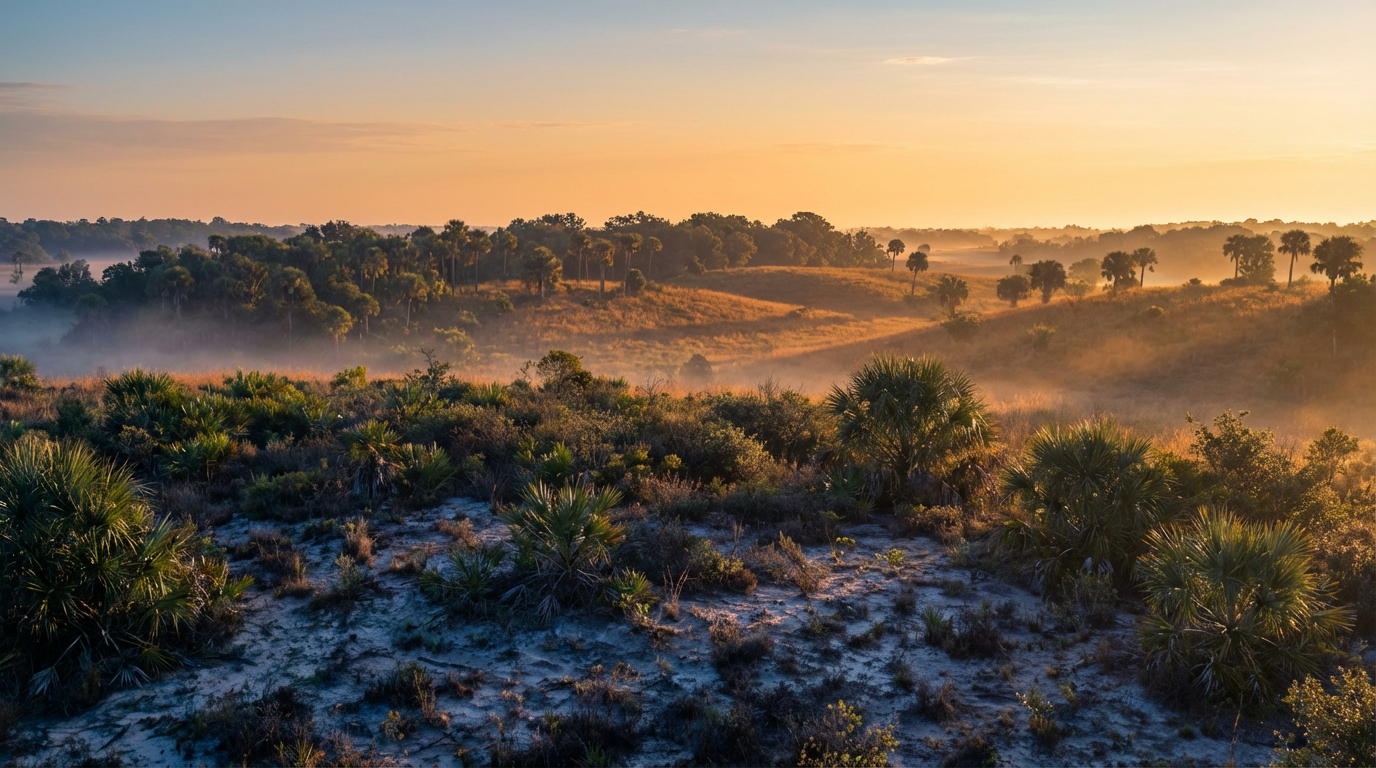
Permaculture is a design philosophy that emphasizes working with, rather than against, nature. It focuses on observing natural ecosystems and mimicking their patterns to create self-sustaining landscapes. For Florida landowners, this can mean using natural resources like sunlight and rainfall to their full advantage.
Permaculture principles encourage the use of diverse plant species to create a resilient landscape. By planting a variety of species, you can ensure that your garden or farm remains productive even if one type of plant fails. This diversity also attracts beneficial wildlife, creating a balanced ecosystem.
Water Management Techniques
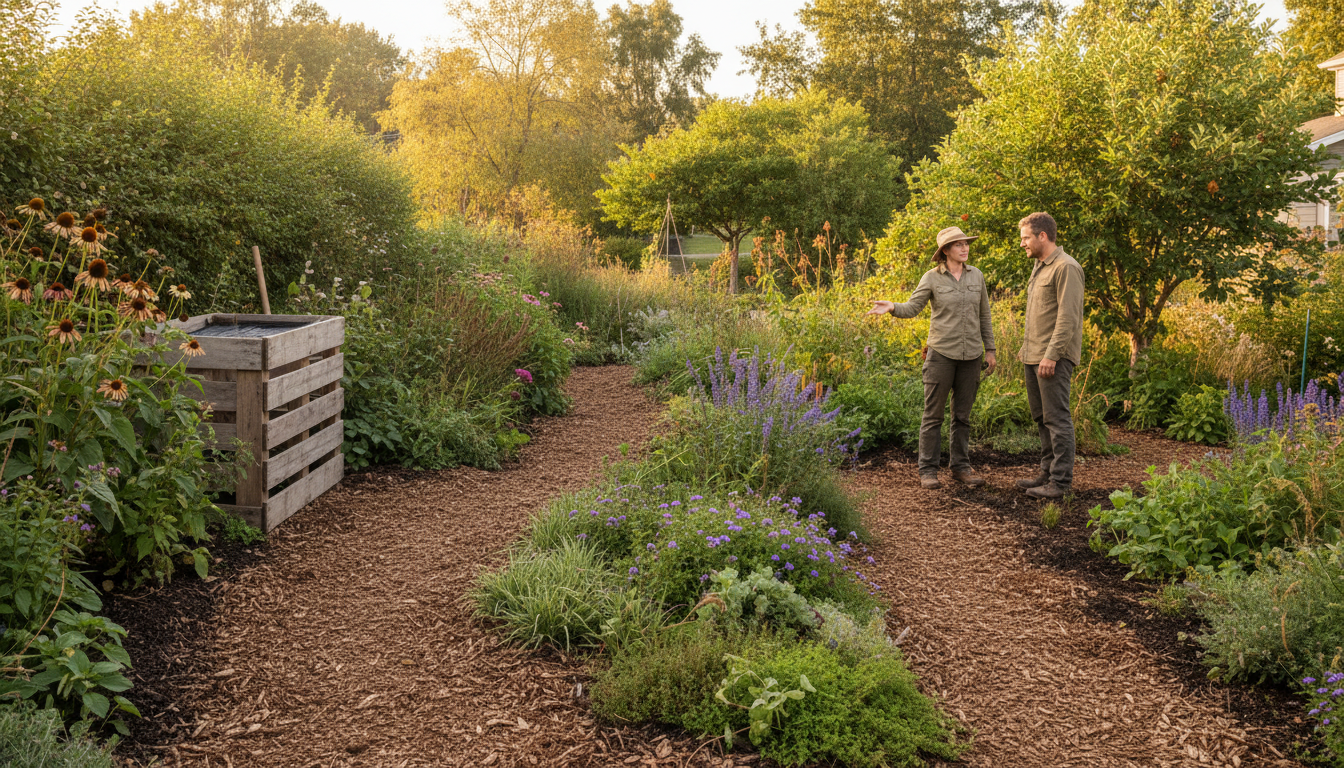
Water management is a crucial aspect of sustainable design, especially in a state like Florida with its unique weather patterns. Implementing rainwater harvesting systems can significantly reduce your dependency on municipal water supplies. By capturing and storing rainwater, you can use it for irrigation during dry spells.
Additionally, consider designing your landscape to promote natural water absorption. This can involve creating swales or using permeable materials for pathways, allowing rainwater to seep into the ground rather than run off into drains.

Choosing Native Plant Species
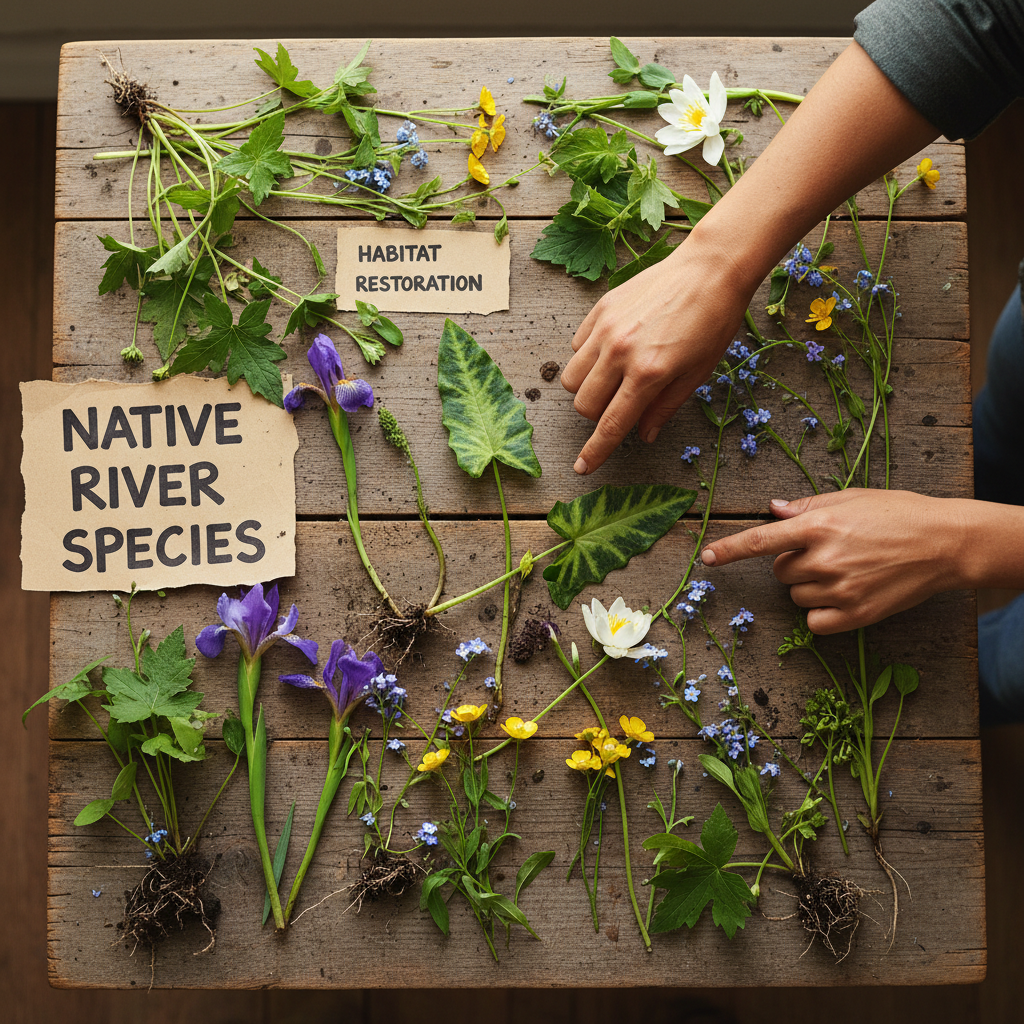
Opting for native plant species is a key component of sustainable design and permaculture. Native plants are already adapted to Florida's climate, meaning they require less water and fertilizer. This not only conserves resources but also reduces maintenance efforts.
Some popular native plants for Florida landscapes include saw palmetto, coontie, and firebush. These plants not only thrive in local conditions but also support Florida's native wildlife, offering food and habitat for birds, insects, and other creatures.
Soil Health and Fertility
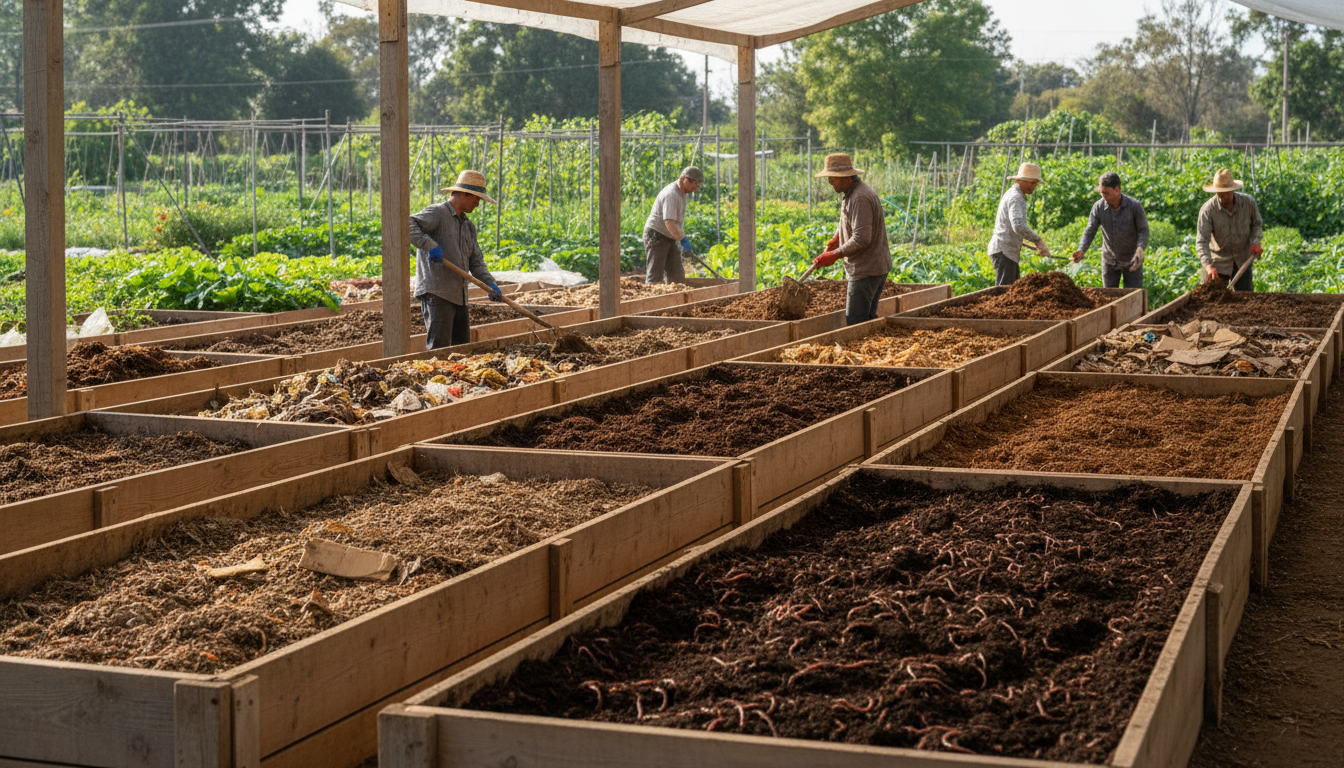
Maintaining soil health is fundamental to any sustainable design. Healthy soil is rich in nutrients and teeming with beneficial microorganisms, which support plant growth and resilience. Techniques like composting and mulching can enhance soil fertility without the need for chemical fertilizers.
Consider creating a composting system to recycle organic waste from your property, turning kitchen scraps and yard waste into nutrient-rich compost. This not only reduces waste but also improves soil structure and fertility.
Conclusion: Embracing a Sustainable Future
By integrating sustainable design and permaculture principles, Florida landowners can create landscapes that are both beautiful and environmentally friendly. These practices not only benefit the ecosystem but also offer economic and social advantages.
As more landowners embrace these principles, Florida can become a model for sustainable living, demonstrating the power of design to create a harmonious balance between human needs and nature.