Summer Crop Maintenance Tips for Florida Homesteaders


Understanding Florida's Summer Climate
Summer in Florida is characterized by high temperatures and humidity, which can pose challenges for homesteaders. It's essential to understand the local climate to effectively manage your crops. The hot and humid weather can lead to rapid plant growth, but it also increases the risk of pests and diseases.

Watering Strategies
Proper watering is crucial during the summer months. It's best to water your crops early in the morning or late in the evening to minimize evaporation. Using drip irrigation systems can help deliver water directly to the roots, ensuring efficient use of resources.
Consider implementing a rainwater harvesting system if you haven't already. This sustainable practice can reduce water costs and provide a reliable water source during dry spells.
Pest Management
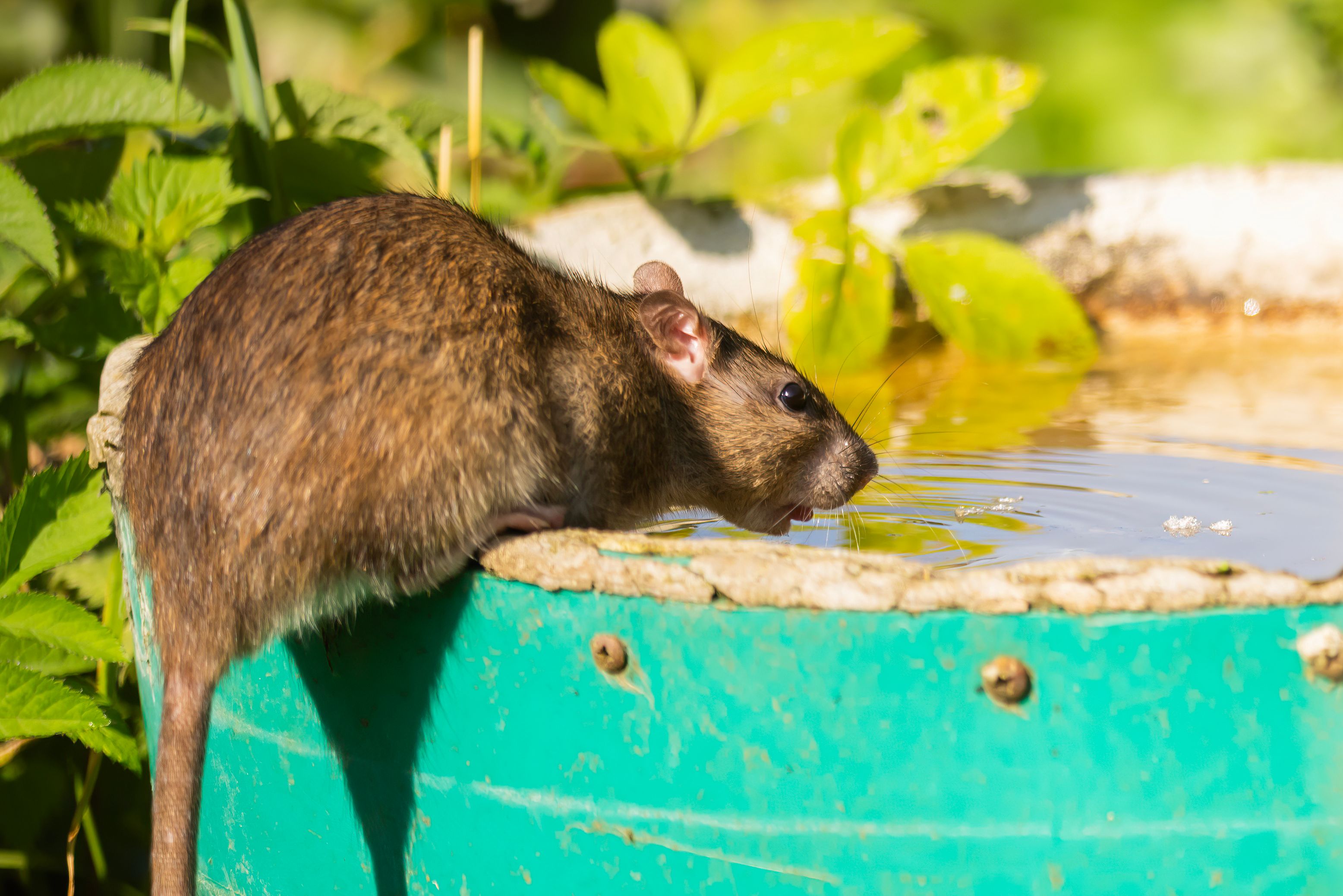
The warm and humid conditions in Florida can attract a variety of pests. Implementing integrated pest management (IPM) strategies can help control pest populations without relying heavily on chemical pesticides. Regularly inspect your plants for signs of infestation and use natural remedies, such as neem oil or insecticidal soap, when necessary.
Soil Health Maintenance
Maintaining soil health is vital for successful crop production. Consider using cover crops and mulch to protect the soil from erosion and retain moisture. Adding organic matter, like compost, can improve soil fertility and structure, promoting healthy plant growth.
It's also important to regularly test your soil to ensure it has the appropriate nutrient levels. Adjust your fertilization practices based on the results to meet the specific needs of your crops.
Choosing the Right Crops
Selecting crops that are well-suited to Florida's summer climate can make a significant difference. Opt for heat-tolerant varieties such as okra, sweet potatoes, and peppers. These crops are more likely to thrive in the challenging conditions and provide a bountiful harvest.
Managing Weeds
Weeds can compete with your crops for nutrients and water, especially during the summer. Regularly inspect your garden and remove weeds promptly. Using mulch can help suppress weed growth by blocking sunlight and maintaining soil moisture.
Consider planting ground covers or using landscape fabric in areas prone to weed growth. These strategies can effectively reduce the time spent on weed management.
Preparing for Weather Extremes
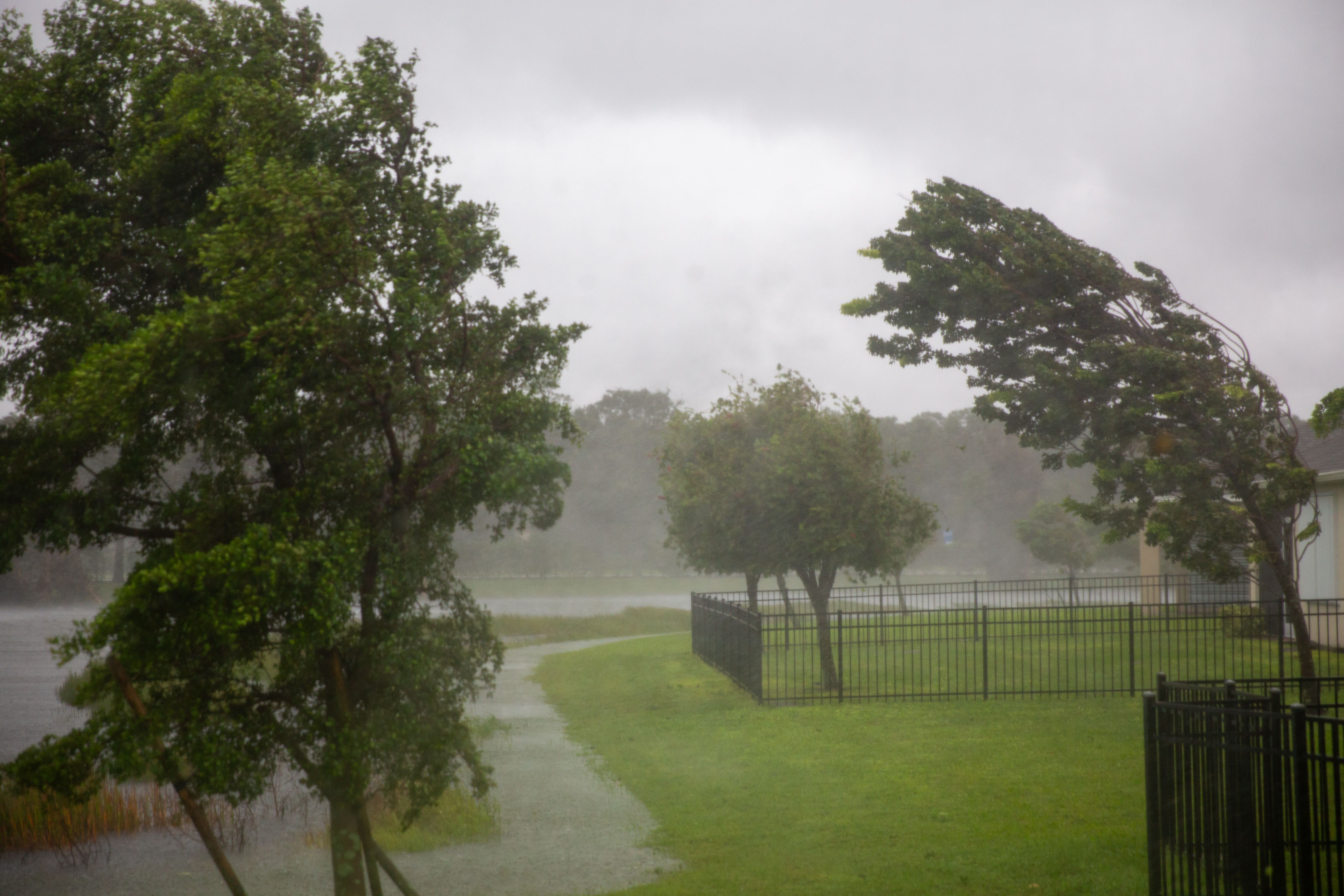
Florida's summer weather can be unpredictable, with the potential for hurricanes and heavy storms. It's essential to have a plan in place to protect your crops. Secure trellises and stakes, and consider using row covers to shield plants from wind and rain damage.
Stay informed about weather forecasts and have a contingency plan ready. Being proactive can minimize the impact of extreme weather on your homestead.