Success Stories: Transforming Small Acreage into Sustainable Homesteads


Introduction to Sustainable Homesteading
In recent years, there has been a growing interest in transforming small acreage into sustainable homesteads. More people are seeking ways to live off the land, reduce their ecological footprint, and embrace a self-sufficient lifestyle. This movement is not just about farming; it's about creating a balanced ecosystem where nature and humans coexist harmoniously.
The success stories of those who have embarked on this journey are inspiring. They demonstrate that with the right knowledge, passion, and dedication, anyone can turn a small piece of land into a thriving homestead. Let's explore some of these remarkable transformations.
Planning and Designing the Homestead
One of the first steps in creating a sustainable homestead is careful planning and design. This involves understanding the land's unique characteristics, including its soil quality, climate, and existing vegetation. Many successful homesteaders start by mapping out their property and identifying key areas for gardening, livestock, and other essential functions.
A popular approach is to use permaculture principles, which focus on working with nature rather than against it. By observing natural patterns and using them to guide the design, homesteaders can create a resilient and productive environment.
Choosing the Right Crops and Livestock
Another critical aspect of sustainable homesteading is selecting the right crops and livestock. This choice often depends on the local climate and soil conditions. Many successful homesteaders opt for heirloom and native plant varieties, which tend to be more resilient and require fewer resources.
- Heirloom vegetables
- Native fruit trees
- Heritage breed animals
These choices not only support biodiversity but also enhance the homestead's sustainability. By focusing on diversity, homesteaders can protect their land from pests and diseases naturally.
Innovative Practices for Sustainability
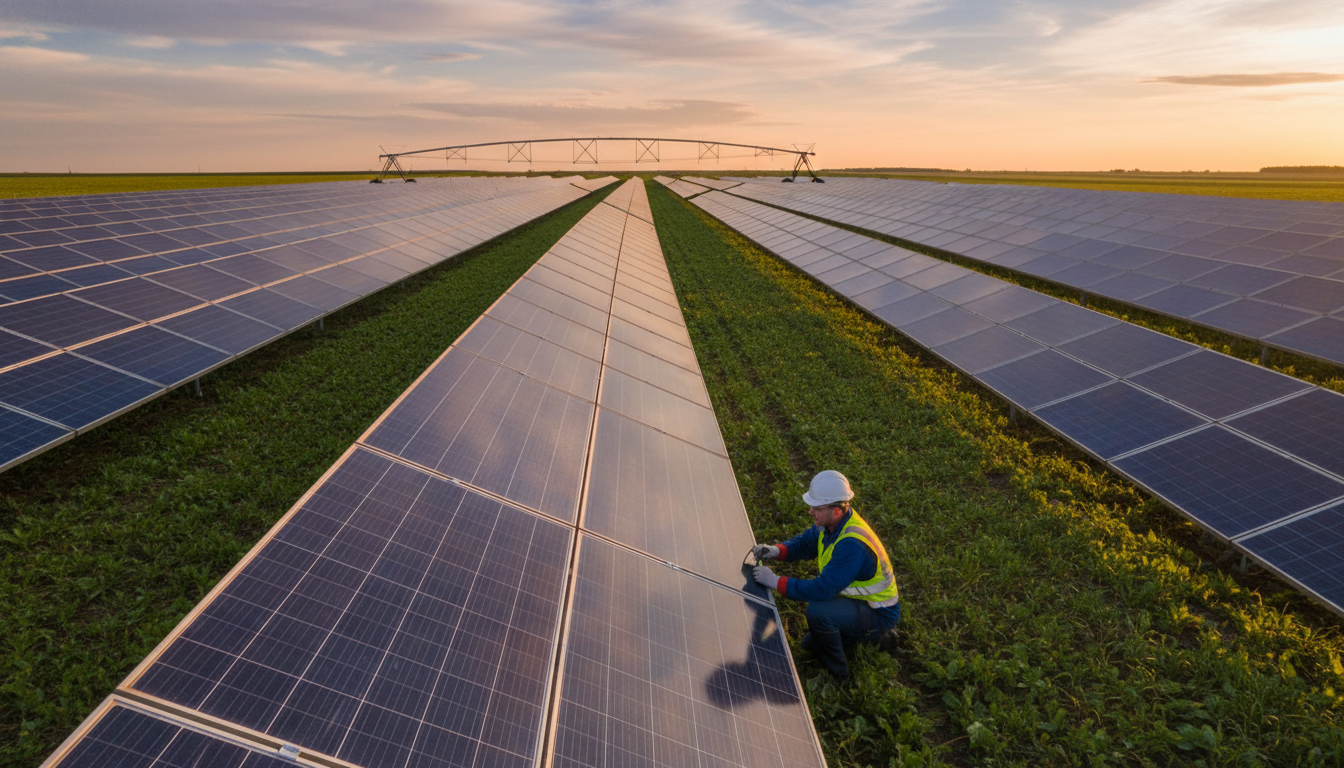
Successful homesteaders often adopt innovative practices to enhance sustainability. Water conservation techniques, such as rainwater harvesting and drip irrigation, play a crucial role in managing resources efficiently. Implementing renewable energy sources like solar panels can also significantly reduce dependence on external utilities.
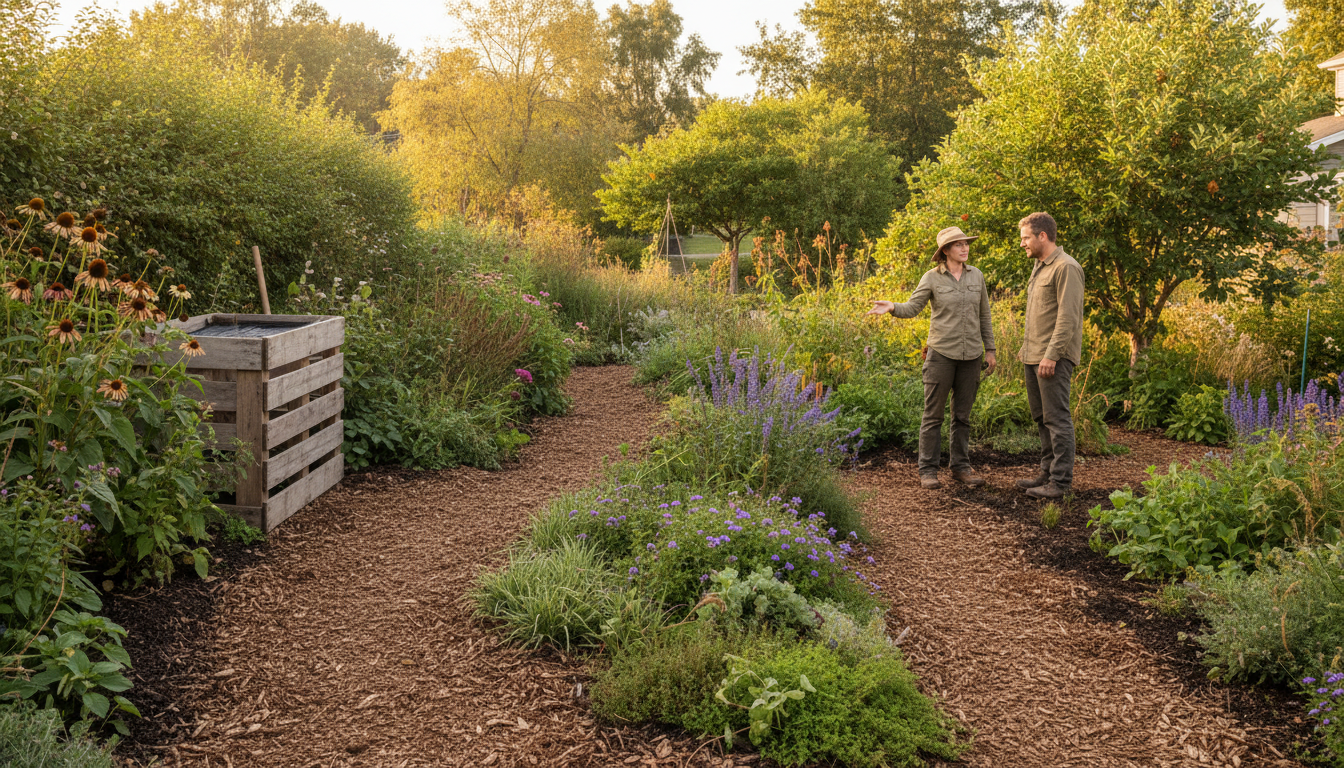
Composting is another essential practice. By recycling organic waste, homesteaders can enrich the soil naturally, promoting healthier plant growth and reducing the need for chemical fertilizers.
Community and Collaboration
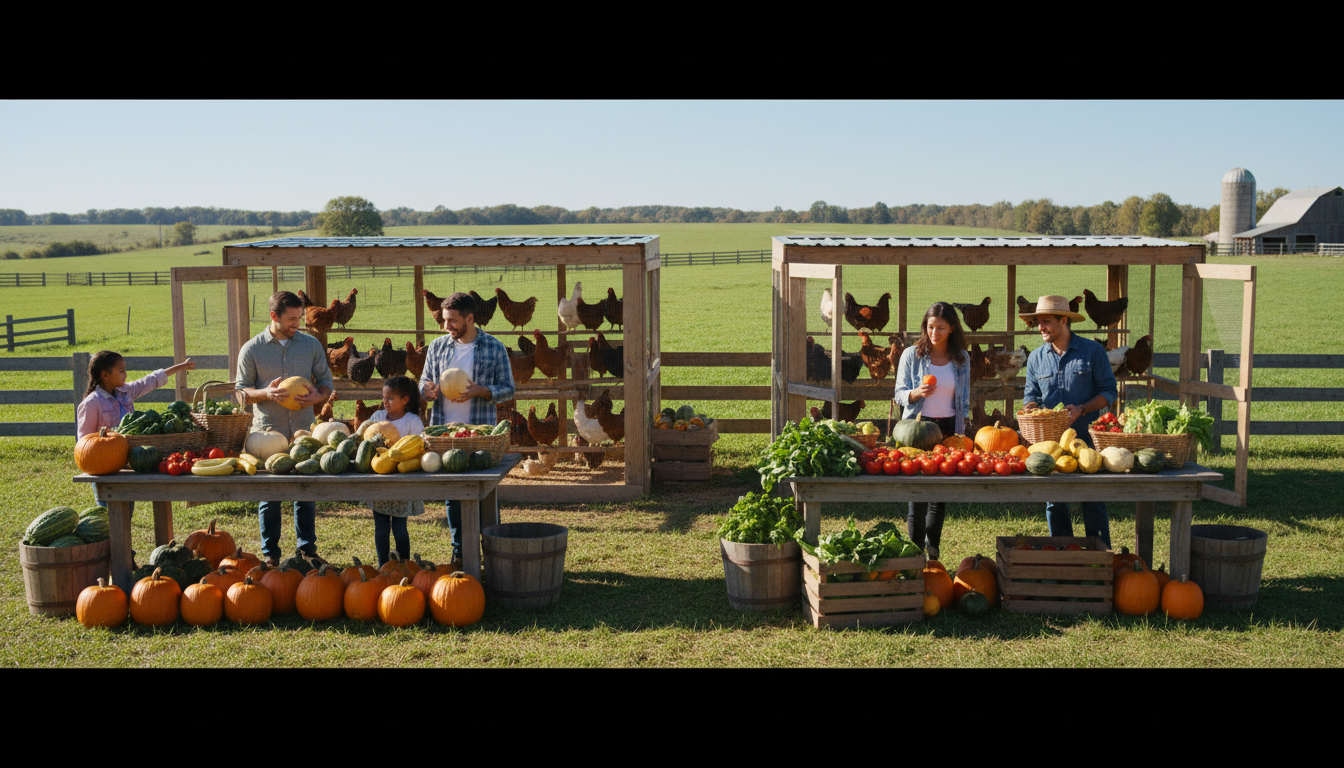
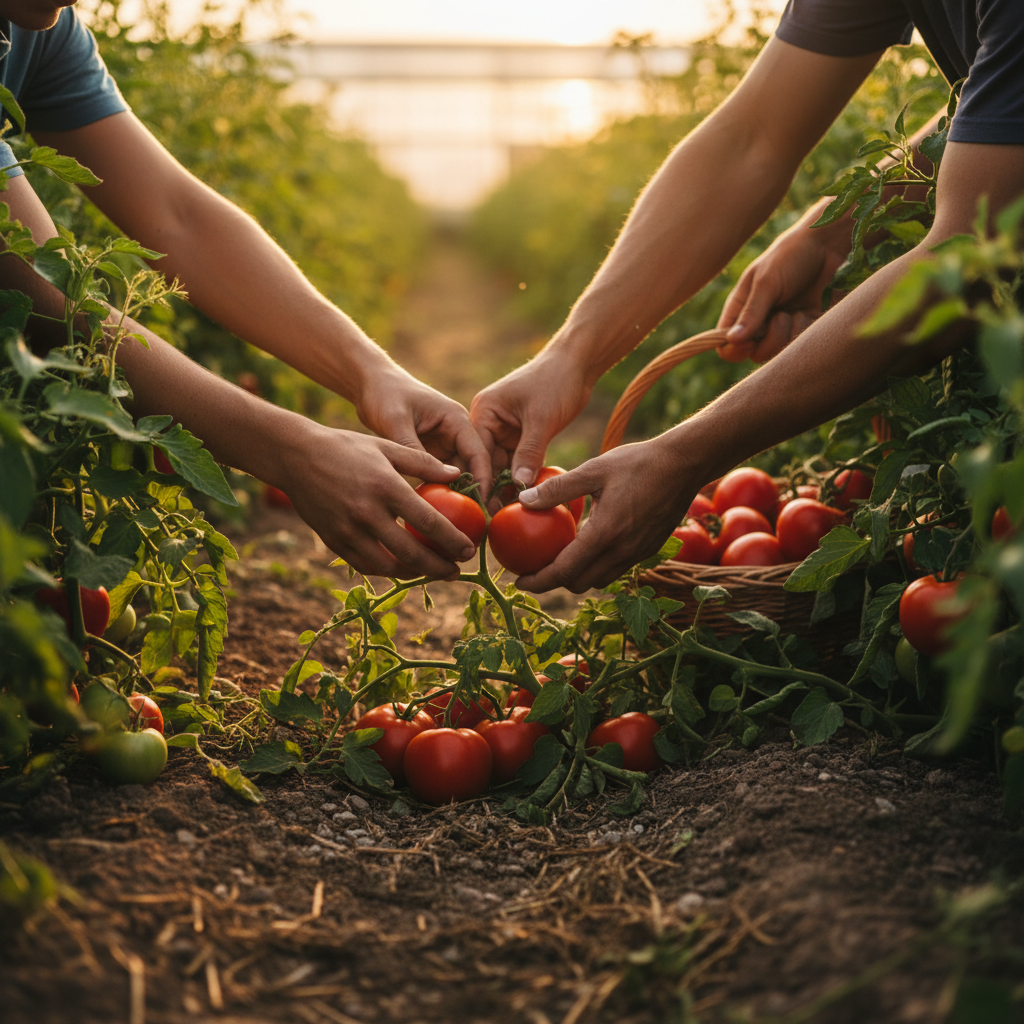
Building a sustainable homestead is often a community effort. Many homesteaders find success by connecting with local networks, sharing resources, and exchanging knowledge. Participating in local farmers' markets or joining community-supported agriculture (CSA) programs can also provide additional income and strengthen community ties.
Collaboration with neighbors and other homesteaders fosters a sense of community and support, which is invaluable in navigating the challenges of sustainable living.
The Impact of Sustainable Homesteading
The impact of transforming small acreage into sustainable homesteads extends beyond the individual. It contributes to environmental conservation, supports local economies, and promotes healthier lifestyles. These success stories inspire others to consider sustainable living as a viable and rewarding path.
As more people embrace this lifestyle, the collective effort can lead to significant positive changes in our communities and the environment. Whether you're considering starting your own homestead or simply seeking inspiration, these stories remind us of the potential each of us holds to make a difference.