Success Stories: Building Resilience and Self-Sufficiency on Less Than an Acre


Introduction to Small-Scale Success
In today’s world, where sustainability and self-sufficiency are becoming increasingly important, many individuals are turning to small-scale farming. With less than an acre of land, people are discovering innovative ways to cultivate resilience and independence. These success stories highlight the potential of small spaces to make a significant impact.

Starting Small: The Initial Steps
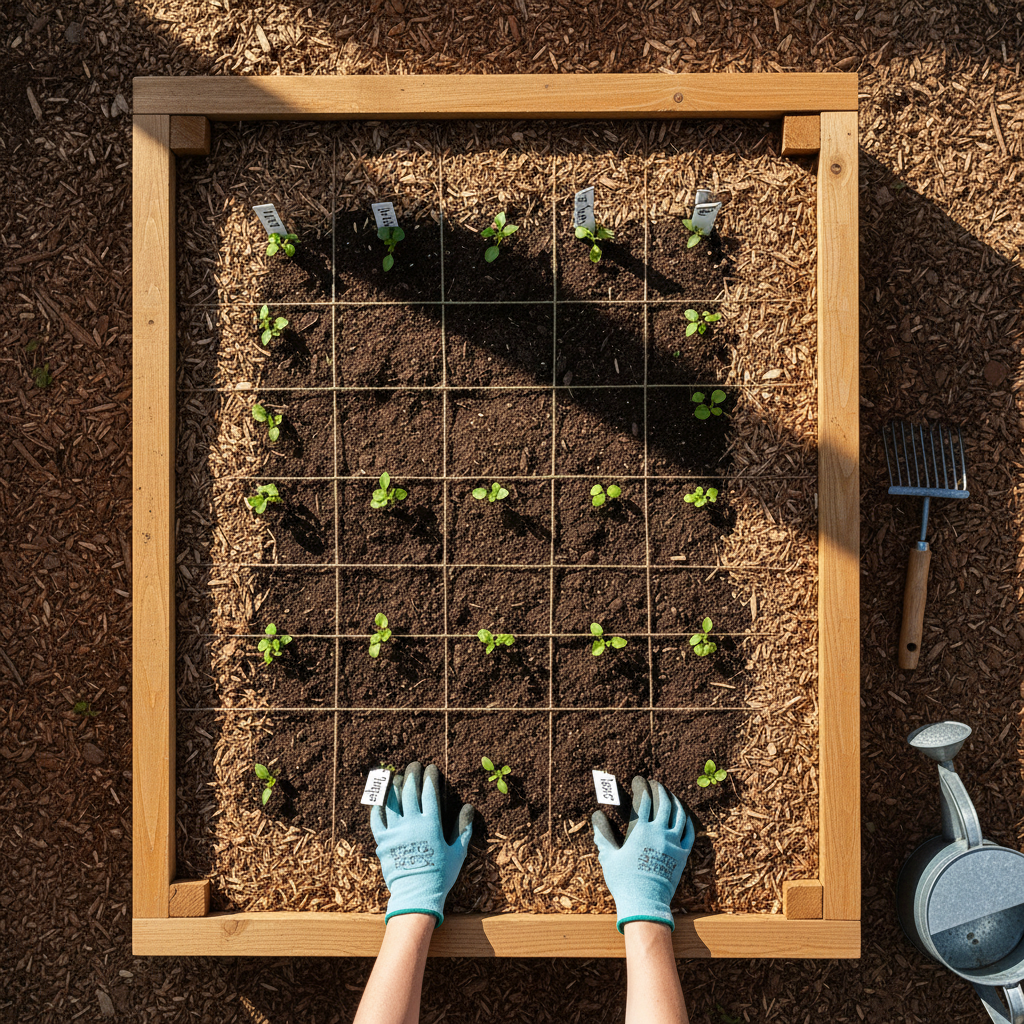
Building resilience on a small plot begins with strategic planning. Identifying the right crops, understanding the soil, and designing a workable layout are crucial steps. Many successful small-scale farmers start with a mix of vegetables and herbs that are both nutritious and easy to grow. This foundation supports both personal consumption and potential sales at local markets.
Additionally, integrating permaculture principles can maximize efficiency. By mimicking natural ecosystems, farmers can reduce waste and improve productivity. Techniques like companion planting and crop rotation play a vital role in maintaining soil health and increasing yield.
Innovative Techniques for Maximizing Space
When space is limited, creativity becomes key. Vertical gardening allows for an increased number of plants in a compact area. Techniques such as trellising and container gardening can optimize the use of vertical and horizontal space. Additionally, incorporating hydroponics or aquaponics systems can lead to higher yields with less water use.
Implementing these innovative methods not only boosts productivity but also enhances the aesthetic appeal of the space. The beauty of a well-planned small-scale farm can inspire others in the community to explore similar ventures.

Building a Resilient Ecosystem
Success stories often highlight the importance of biodiversity. By cultivating a range of plants, small-scale farmers create a resilient ecosystem that supports beneficial insects and deters pests. This natural balance reduces the need for chemical pesticides, leading to healthier produce.
Moreover, incorporating animals like chickens or bees can enhance the ecosystem. Chickens provide natural fertilizer and pest control, while bees aid in pollination, boosting plant health and yields.
Community Engagement and Support
Building resilience extends beyond the farm itself. Engaging with the local community can open doors to additional resources and support. Farmers’ markets, local co-ops, and community-supported agriculture (CSA) programs offer platforms for selling produce and sharing knowledge.
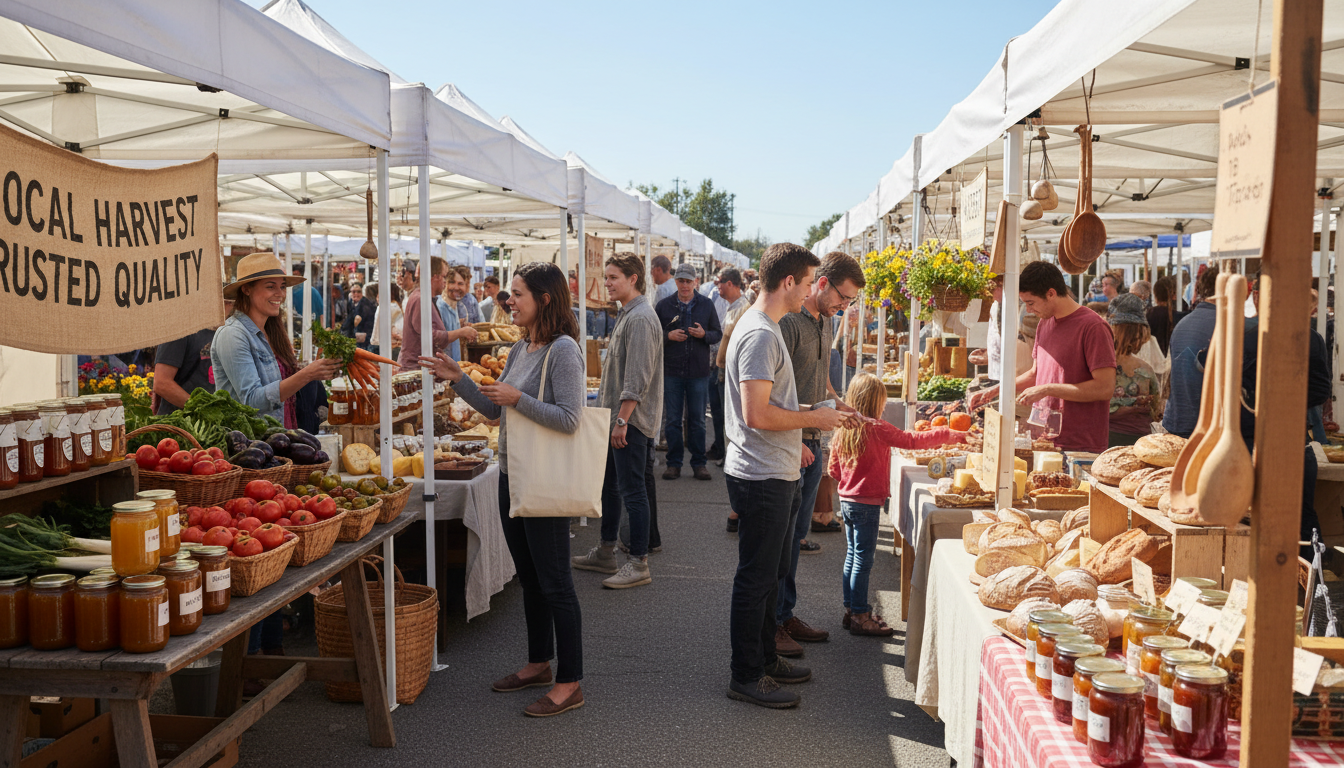
Networking with other small-scale farmers can provide valuable insights and foster a sense of community. Shared experiences and collaborative efforts often lead to innovative solutions and increased resilience.
The Path Forward
As these success stories demonstrate, building resilience and self-sufficiency on less than an acre is achievable with strategic planning, innovation, and community support. The journey not only yields fresh produce but also fosters a deeper connection with the land and a commitment to sustainable living.
Embracing these practices can inspire others to take similar steps, contributing to a more sustainable and self-reliant future for all.