Starting a Sustainable Farm in Ocala: A Step-by-Step Guide


Starting a sustainable farm in Ocala offers both a rewarding lifestyle and a chance to contribute positively to the environment. With the city's rich agricultural history and supportive community, Ocala is an ideal place for sustainable farming. This guide will walk you through the essential steps to get started.
Understanding Sustainable Farming
Sustainable farming focuses on producing food in a way that maintains the health of the environment, supports biodiversity, and ensures economic viability. It's about finding the balance between human needs and the Earth's natural resources. By adopting sustainable practices, you can help preserve the land for future generations.
Assessing Your Land
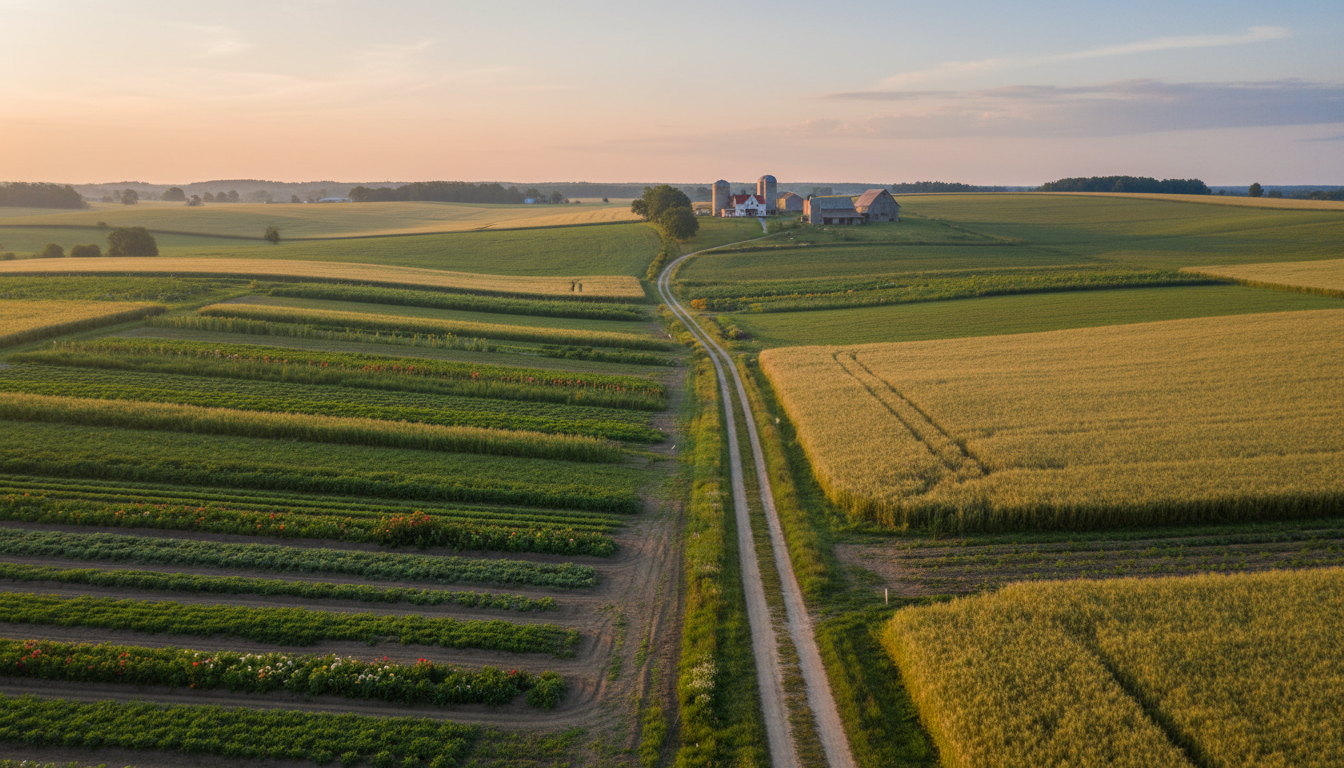
The first step in starting a sustainable farm is assessing your land. Consider soil quality, water availability, and local climate conditions. These factors will determine what crops or livestock will thrive on your farm. Conduct soil tests and consult with local agricultural experts to understand the best use of your land.
Soil Health
Healthy soil is the foundation of any successful farm. Practice crop rotation, use organic fertilizers, and incorporate cover crops to maintain soil fertility. These methods help prevent erosion and increase the soil's organic matter, ensuring a healthy ecosystem for your crops.
Choosing the Right Crops and Livestock
Selecting the appropriate crops and livestock is crucial for sustainability. Choose native plants and animals that are adapted to Ocala's climate. This reduces the need for artificial inputs like fertilizers and pesticides, promoting a more natural farming environment.
Crop Selection
Consider growing a diverse range of crops to enhance biodiversity. Fruits, vegetables, and herbs that are well-suited to the local climate can provide a sustainable source of income. Consult with local farmers and agricultural extension services to determine the best options for your farm.

Implementing Sustainable Practices
Sustainable farming practices help conserve resources and reduce environmental impact. Incorporate techniques such as permaculture, agroforestry, and organic farming. These methods work with nature rather than against it, promoting long-term farm health.
Water Management
Efficient water use is essential in sustainable farming. Implement rainwater harvesting systems and drip irrigation to minimize water waste. These systems not only conserve water but also ensure that your crops receive a consistent supply.
Building a Community Network
Connecting with other farmers and agricultural organizations in Ocala can provide valuable support and resources. Join local farming cooperatives, attend agricultural workshops, and participate in community events. A strong network can offer insights and assistance as you establish your sustainable farm.
Marketing Your Produce
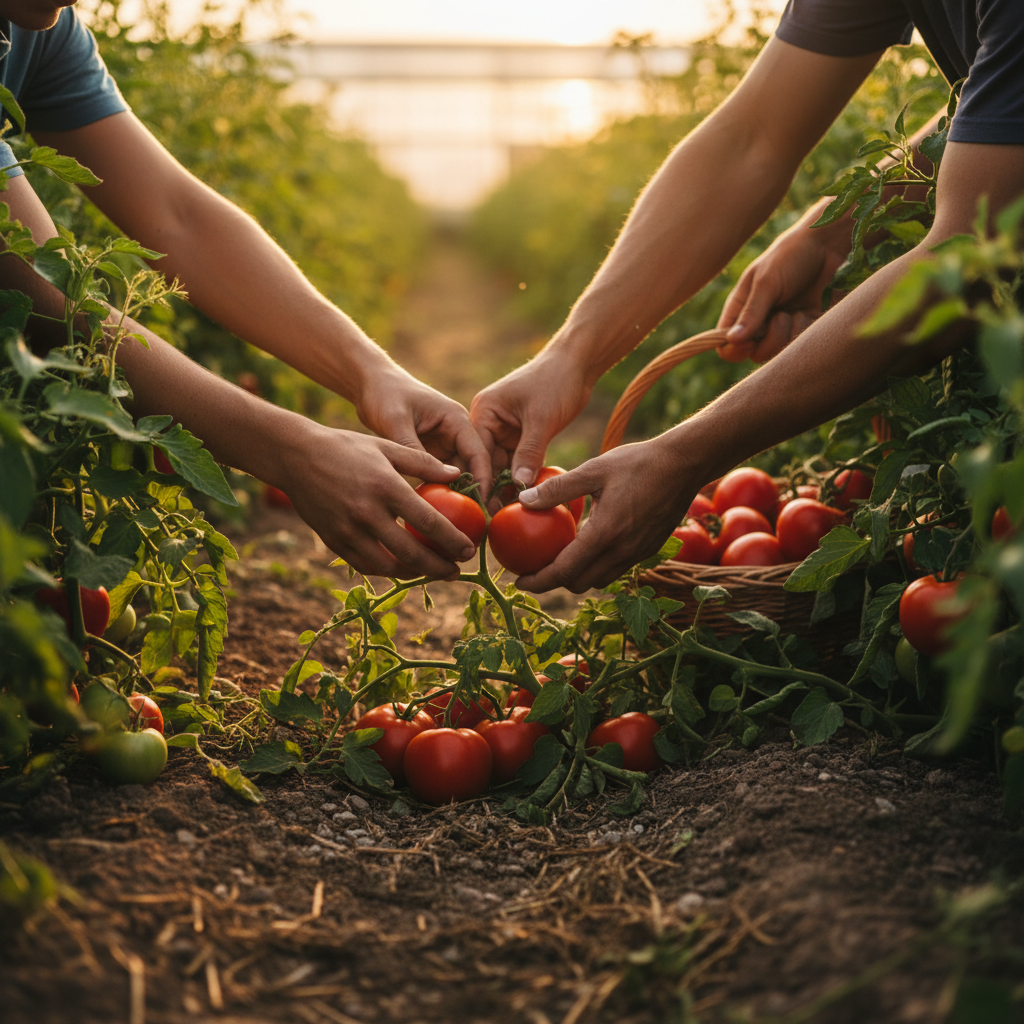
Once your farm is producing, it's time to think about marketing. Attend local farmers' markets, partner with restaurants, and consider starting a community-supported agriculture (CSA) program. These avenues can help you reach customers who value sustainable and locally-sourced produce.
Starting a sustainable farm in Ocala is a journey that requires dedication and passion. By following these steps and embracing sustainable practices, you can create a thriving farm that benefits both the environment and the community.