Spring Planting Tips for Farms in Florida: What You Need to Know


Understanding Florida's Unique Climate
Spring in Florida provides a unique opportunity for farmers due to the state's warm climate and abundant sunshine. However, this also means that certain considerations must be taken into account to ensure a successful planting season. The key is to understand the local climate patterns and adjust planting schedules accordingly.

Florida's spring weather can vary significantly from one region to another. In general, the northern parts of the state experience cooler temperatures, while the southern regions are consistently warm. Knowing the specific climate of your area will help you choose the right crops and planting times.
Choosing the Right Crops
Selecting the appropriate crops is crucial for maximizing yield. For spring planting in Florida, consider crops that thrive in warm temperatures. Popular options include tomatoes, peppers, cucumbers, and squash. These crops not only grow well in Florida's climate but also have a high market demand.
Tropical fruits such as mangoes and avocados are also excellent choices for Florida's spring season. They require minimal frost protection and can flourish with the right care and attention.

Companion Planting
Companion planting is a technique that can significantly benefit your farm. By planting certain crops together, you can enhance growth, deter pests, and improve soil health. For instance, planting marigolds with tomatoes can help repel harmful insects, while beans can enrich the soil with nitrogen, benefiting both themselves and neighboring plants.
Soil Preparation and Fertilization
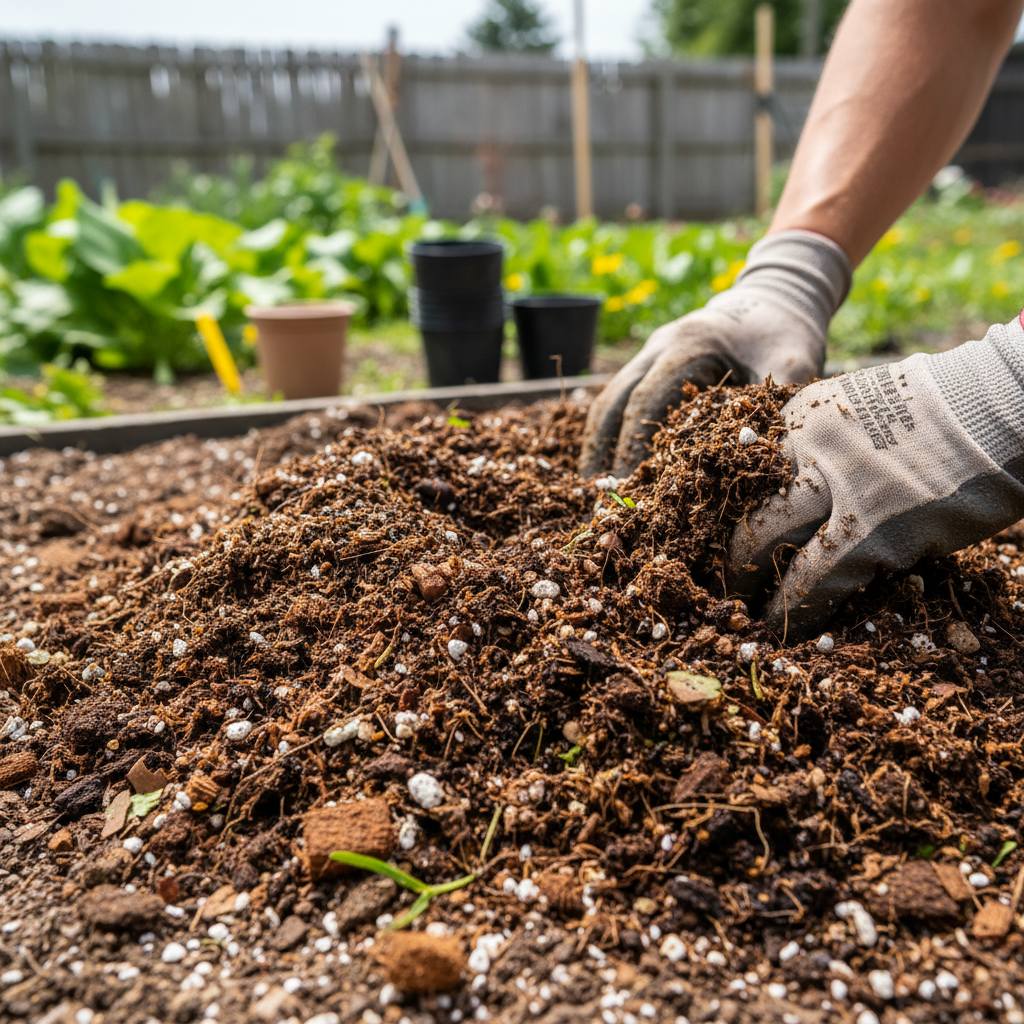
Proper soil preparation is essential for a successful planting season. Start by testing the soil to determine its pH level and nutrient content. This information will guide you in selecting the right fertilizers and amendments to create an optimal growing environment.
In Florida, sandy soils are common, which means they may require additional organic matter to improve water retention and nutrient availability. Consider using compost or well-rotted manure to enrich your soil.
Fertilizer Application
Applying the right fertilizer at the right time is crucial. In general, a balanced fertilizer that provides nitrogen, phosphorus, and potassium will support healthy plant growth. Be sure to follow recommended application rates to avoid over-fertilization, which can harm plants and the environment.
Irrigation and Water Management
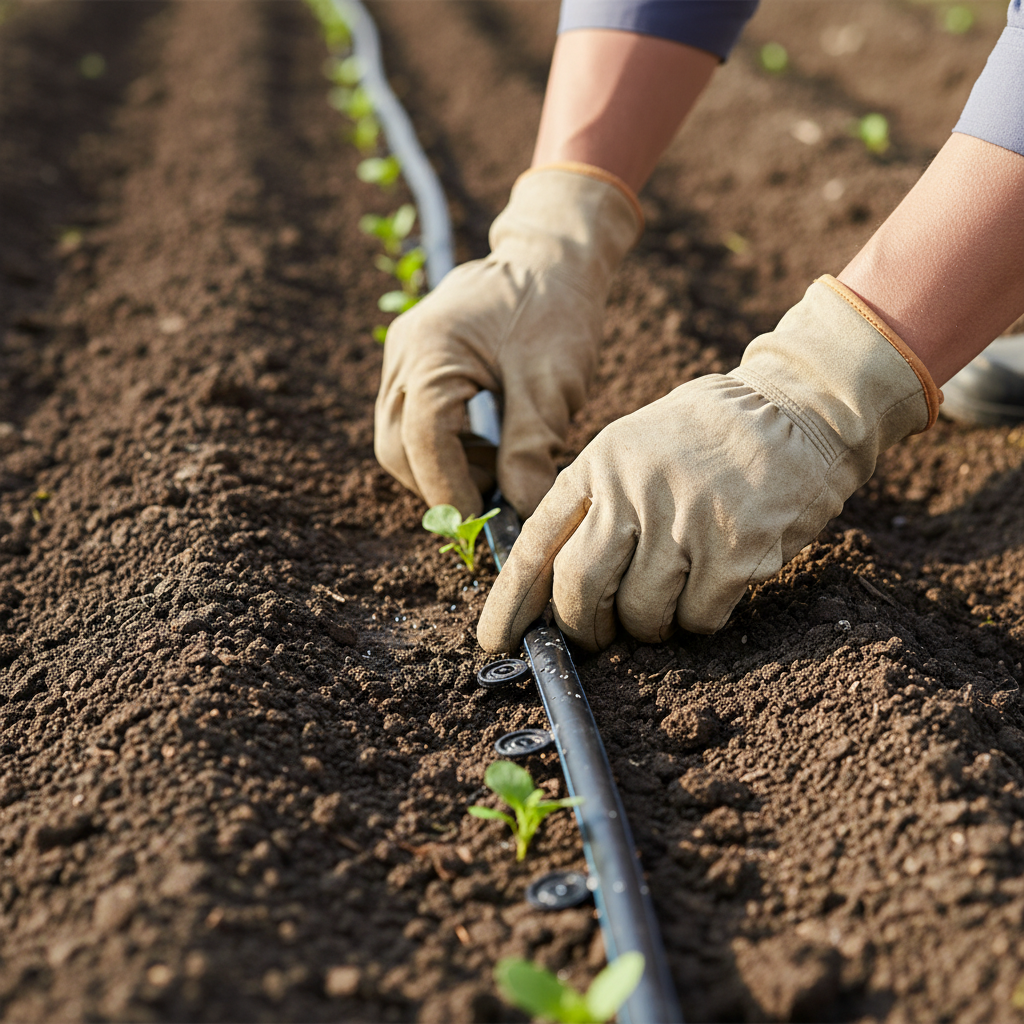
Effective irrigation is vital in Florida's spring planting season. Since some areas may experience dry spells, it's important to have a reliable irrigation system in place. Drip irrigation is a popular choice as it conserves water and delivers it directly to the plant roots.
Regularly monitor soil moisture levels to ensure your crops receive adequate water. Overwatering can be just as detrimental as underwatering, so finding the right balance is key.
Conserving Water
Implementing water-saving techniques can benefit both your farm and the environment. Mulching around plants helps retain soil moisture and reduces the need for frequent watering. Additionally, scheduling irrigation during cooler parts of the day minimizes evaporation.