Small-Acreage Horse Farm Planning: Essential Tips for Florida Residents


Understanding Zoning and Permits
When planning a small-acreage horse farm in Florida, the first step is to understand local zoning laws and permit requirements. These regulations can vary significantly from one county to another, so it's essential to consult with local authorities. Ensure your land is zoned for agricultural use and that you obtain all necessary permits before breaking ground. This will help prevent any legal issues down the road.
Additionally, consider any restrictions on the number of horses you can keep per acre. These limitations are crucial for maintaining the health and safety of your horses and ensuring harmony with your neighbors.
Designing Your Farm Layout
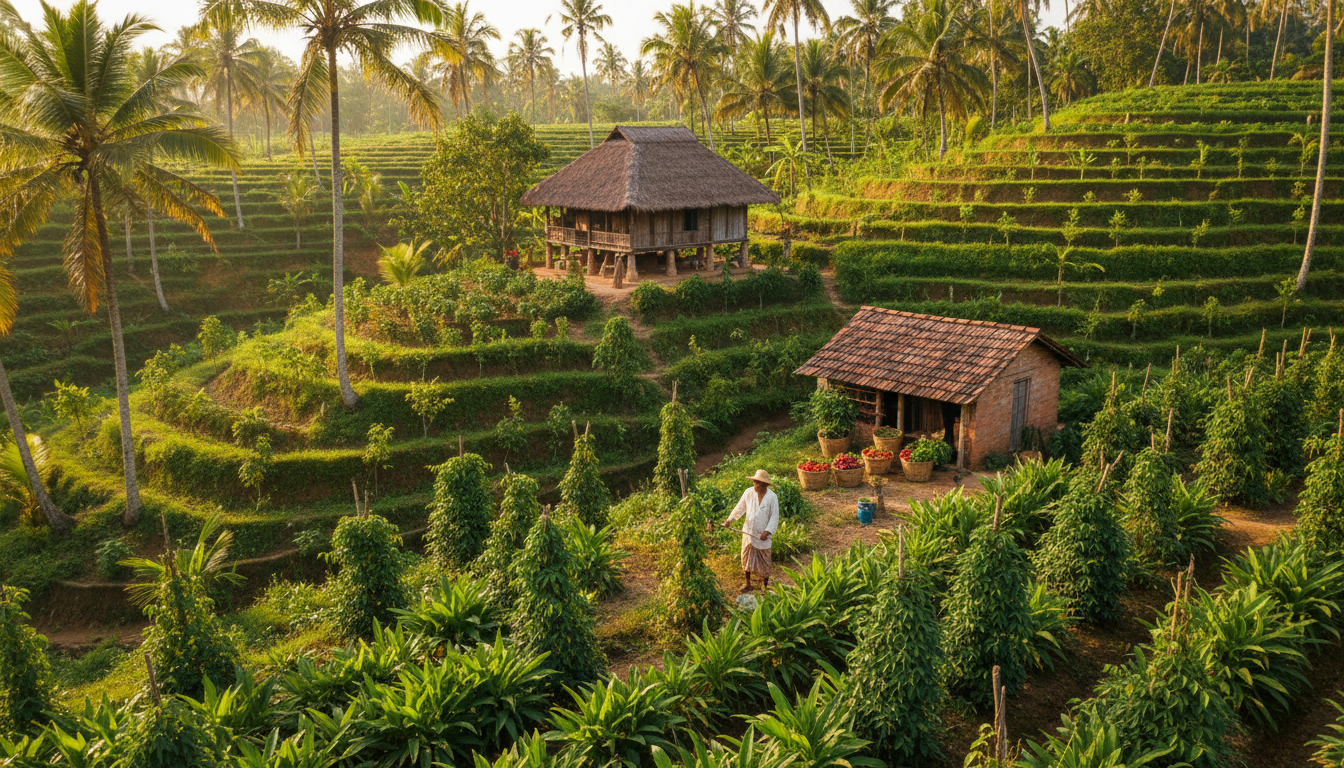
A well-thought-out farm layout is key to efficient management and horse well-being. Start by planning the placement of essential structures such as barns, paddocks, and riding arenas. Consider the natural topography and drainage of your land to prevent waterlogging and ensure easy access to all areas of the farm.
It's also wise to incorporate wide, safe pathways for both horses and vehicles, and to designate specific areas for feed storage and waste management. This will streamline daily operations and contribute to a cleaner, more organized environment.
Ensuring Proper Pasture Management
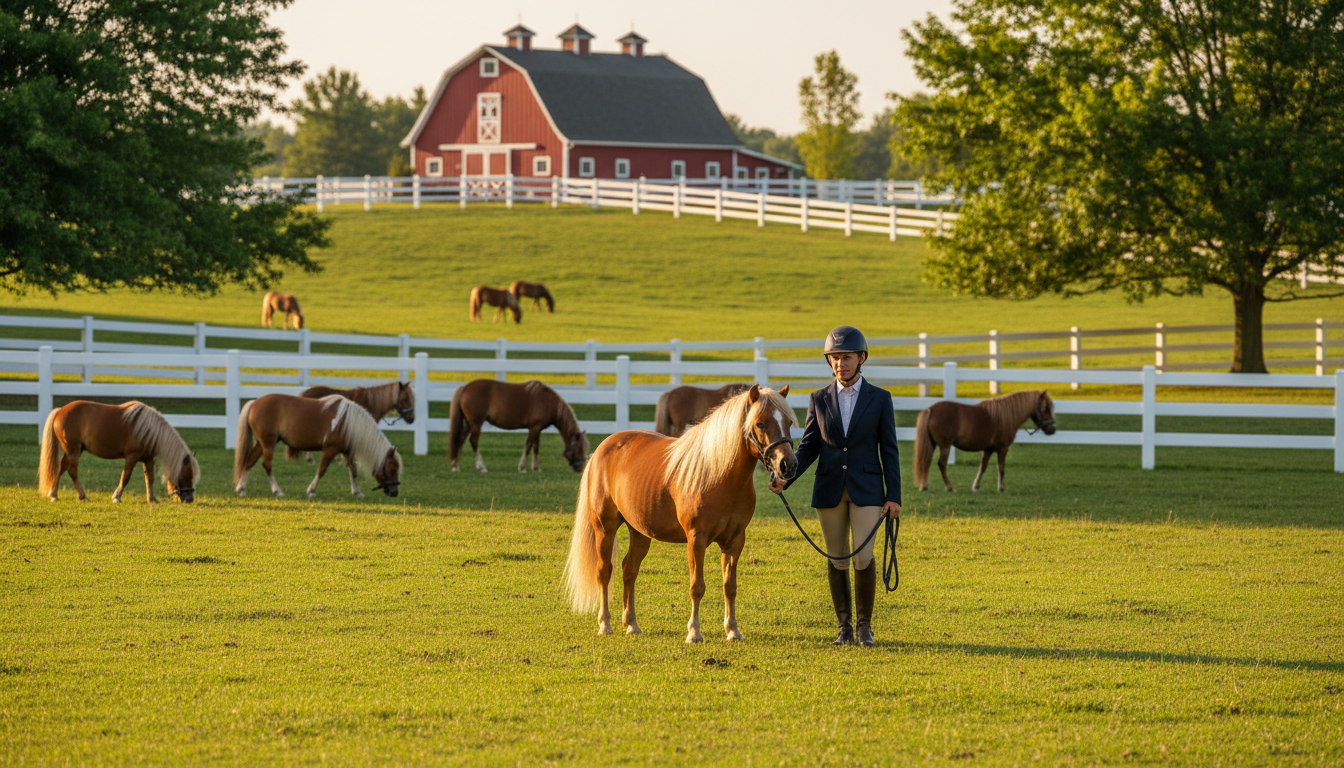
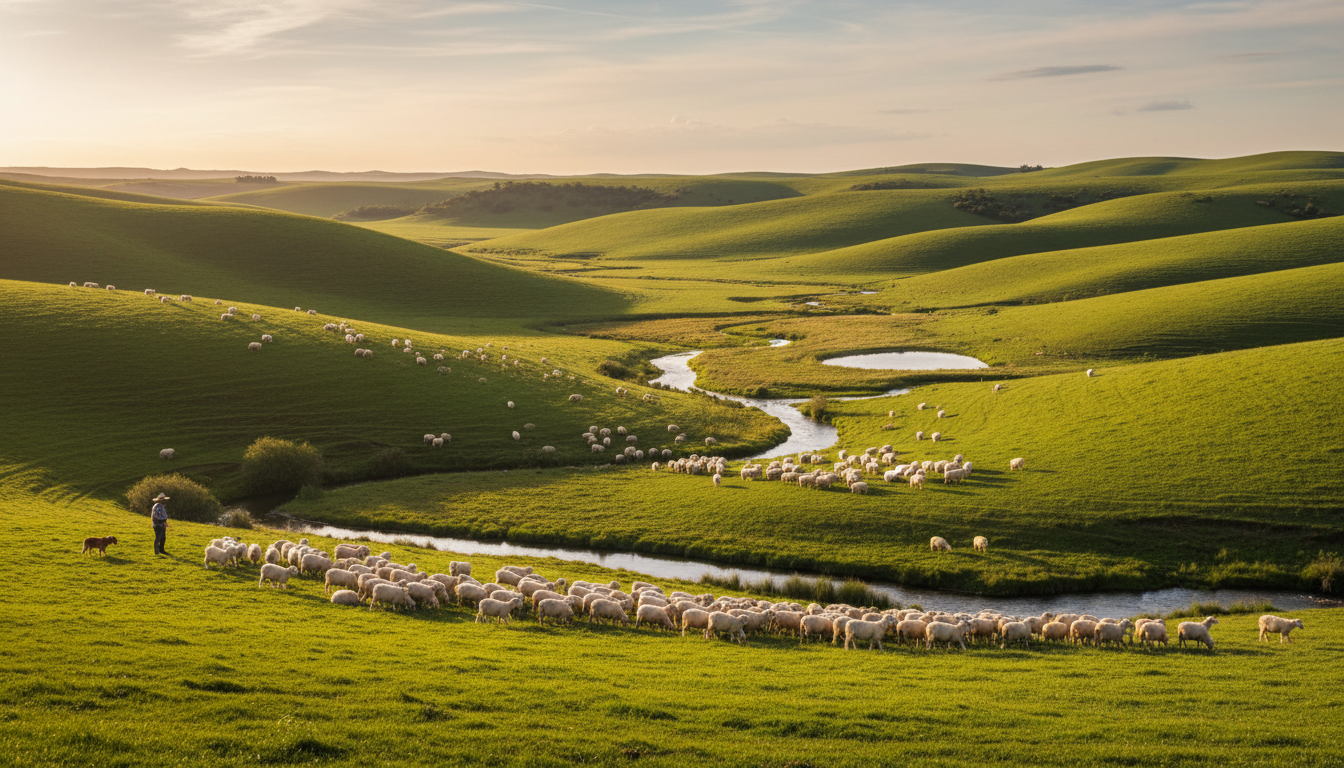
Pasture management is vital to the health of your horses and the sustainability of your farm. Florida's warm climate allows for year-round grazing, but it's important to rotate pastures to prevent overgrazing. Implement a rotational grazing system to maintain healthy grass and reduce soil erosion.
Regular soil testing can also help in deciding the right type and amount of fertilizer needed to promote lush, nutritious pastures. This not only benefits your horses but also enhances the overall aesthetics of your farm.
Providing Adequate Shelter and Facilities
Providing adequate shelter is crucial for the comfort and safety of your horses. A well-designed barn should offer protection from the elements, good ventilation, and ample space for each horse. Consider including features such as feed rooms, tack rooms, and wash areas to meet all your needs.
Additionally, ensure that water sources are readily available and that there are plans for temperature control, especially during Florida's hot summer months. This will help in keeping your horses healthy and comfortable year-round.
Implementing Effective Waste Management
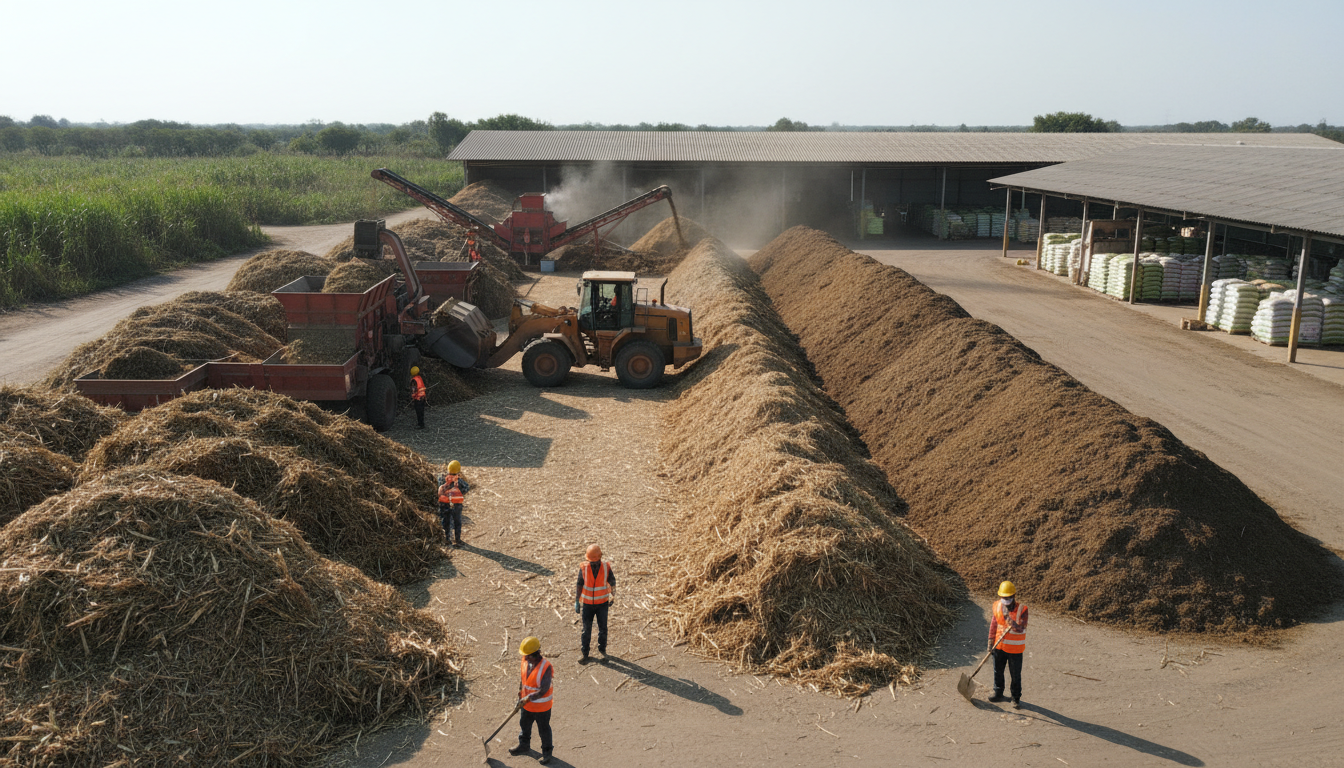
Effective waste management is essential for maintaining a clean and healthy farm environment. Develop a system for the regular removal and composting of manure. This not only helps in reducing odors and flies but also provides a valuable resource for fertilizing pastures.
Consider consulting with local agricultural extension offices for best practices and to ensure compliance with environmental regulations. This proactive approach will contribute to the sustainability of your farm.
Securing Your Property
Security is a vital aspect of farm management. Install sturdy fencing around the perimeter of your farm and ensure all entry points are secure. Choose fencing materials that are safe for horses and can withstand Florida's weather conditions.
Additionally, consider installing a security system with cameras and alarms to deter theft and monitor the farm remotely. A well-secured property provides peace of mind and protects your valuable investments.
Conclusion
Planning a small-acreage horse farm in Florida requires careful consideration of various factors, from zoning laws to pasture management. By taking the time to plan thoroughly and implement effective systems, you can create a thriving environment for your horses and an efficient operation for yourself.
Remember, the key to success lies in balancing the needs of your horses with the unique challenges and opportunities presented by Florida's climate and landscape.