Seasonal Planting Guide: Maximizing Florida's Unique Climate


Understanding Florida's Climate
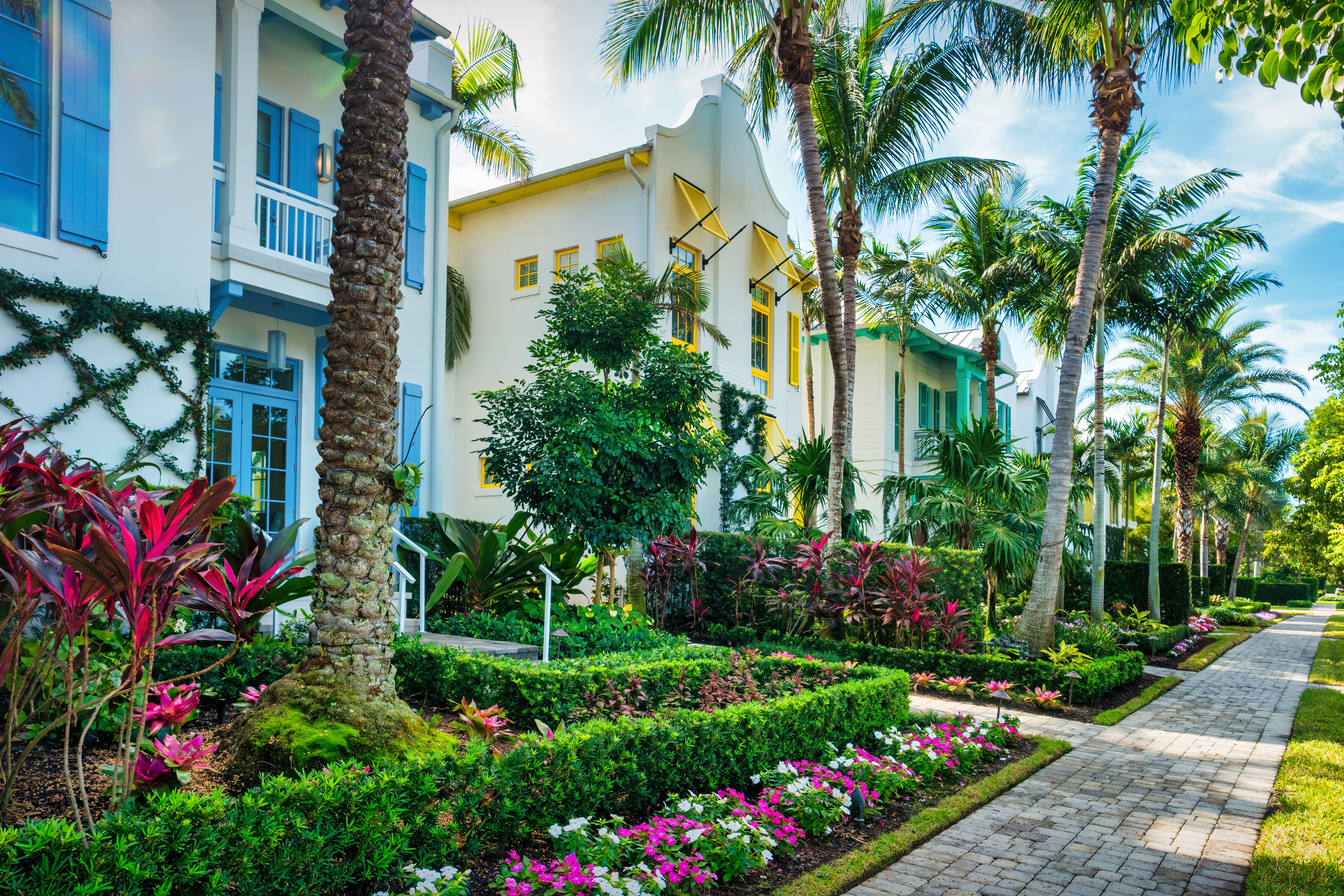
Florida's unique climate offers both opportunities and challenges for gardeners. With its subtropical and tropical zones, the state allows for year-round planting. However, understanding the nuances of Florida's weather patterns is crucial for successful gardening.
The state is divided into three main regions: North, Central, and South Florida, each with its own climate characteristics. North Florida experiences cooler winters, while South Florida remains warm throughout the year. This variation impacts the types of plants you can grow and when to plant them.
Choosing the Right Plants
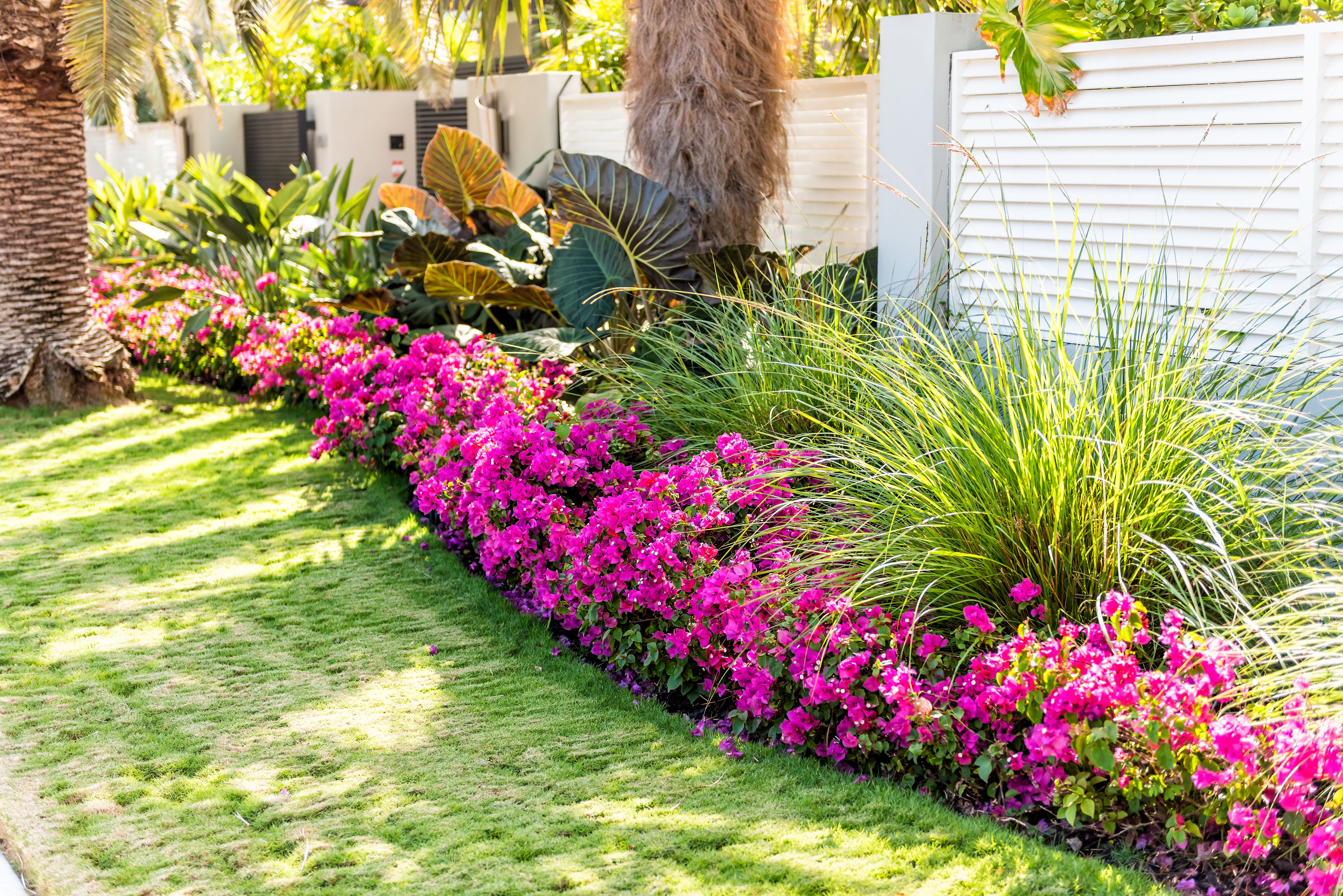
When selecting plants, it's important to consider their heat tolerance and water needs. Native plants are often the best choice as they are adapted to local conditions. Some popular options include the Florida Tickseed, Dune Sunflower, and Coontie.
For those looking to grow fruits and vegetables, consider tomatoes, peppers, and citrus fruits, which thrive in Florida's climate. These plants not only provide fresh produce but also add vibrant colors to your garden.
Seasonal Planting Tips
Florida's planting seasons differ from those in more temperate regions. The best time to plant cool-season crops like lettuce and broccoli is in the fall and winter. Warm-season crops such as beans and squash are best planted in early spring or late summer.
It's also essential to consider the rainfall patterns. Florida's wet season typically runs from May through October. During this time, ensure proper drainage to prevent root rot in your plants.
Soil and Water Considerations
Florida's soil can vary significantly, from sandy soils in coastal areas to rich, organic soils in the central regions. Conducting a soil test can help you understand its composition and determine the necessary amendments.
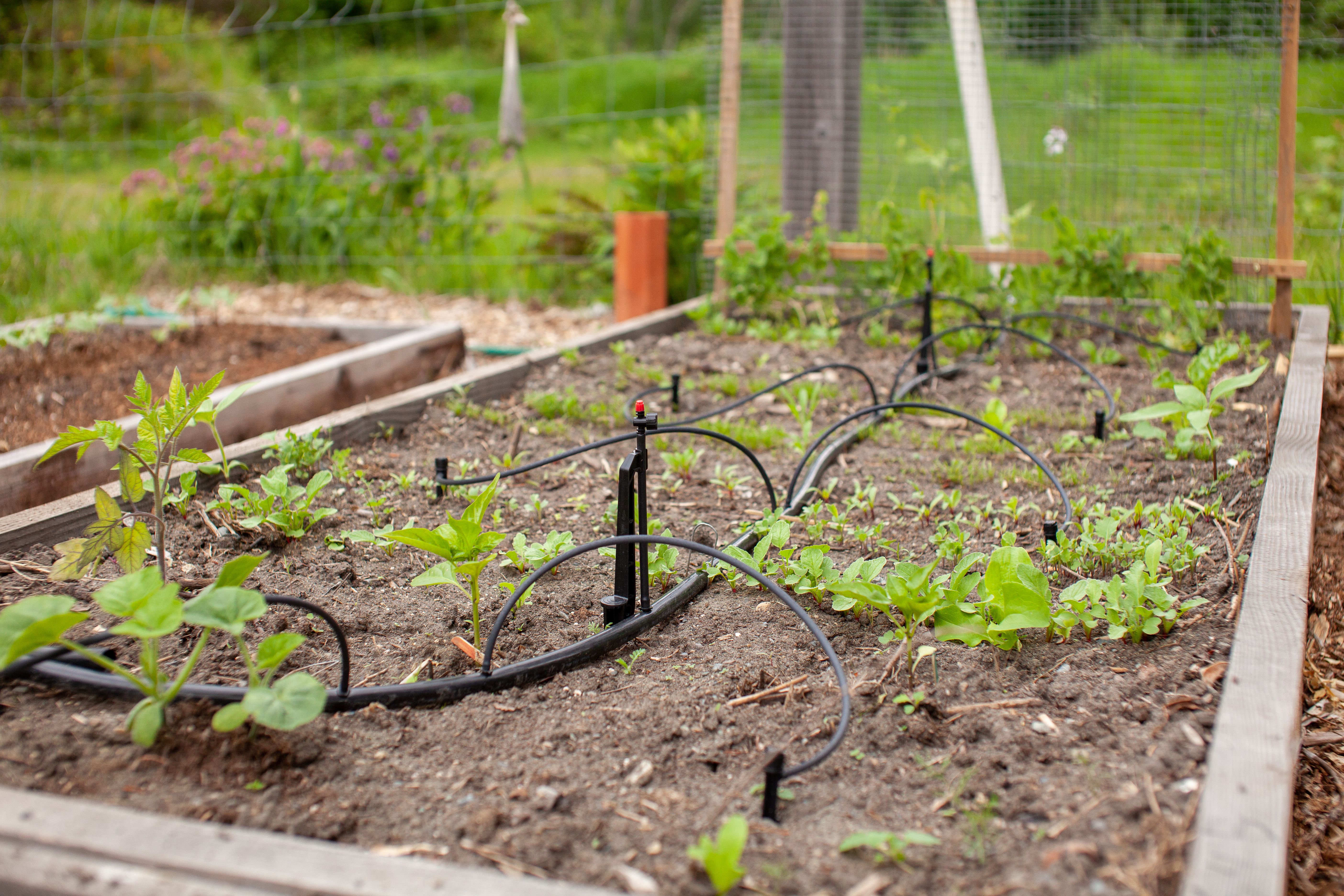
Watering is another critical factor. Due to high temperatures, evaporation rates are high, so consider using mulch to retain moisture. Drip irrigation systems can also be beneficial in delivering water directly to the roots.
Pest Management
Florida's warm climate is ideal for a variety of pests. Implementing integrated pest management (IPM) strategies can help control pests naturally. Encourage beneficial insects like ladybugs and lacewings to reduce the need for chemical pesticides.
Regularly inspect your plants for signs of damage and take early action to prevent infestations. Using organic solutions such as neem oil can also be effective in managing pest populations.
Conclusion
Maximizing Florida's unique climate for gardening requires understanding the local conditions and planning accordingly. By selecting the right plants, considering seasonal variations, and managing soil, water, and pests effectively, you can create a thriving garden.
Embrace the diversity of Florida's flora and enjoy the benefits of a lush, productive garden year-round. With careful planning and attention to detail, you can make the most of this vibrant environment.