Seasonal Planting Guide: Making the Most of Florida’s Climate


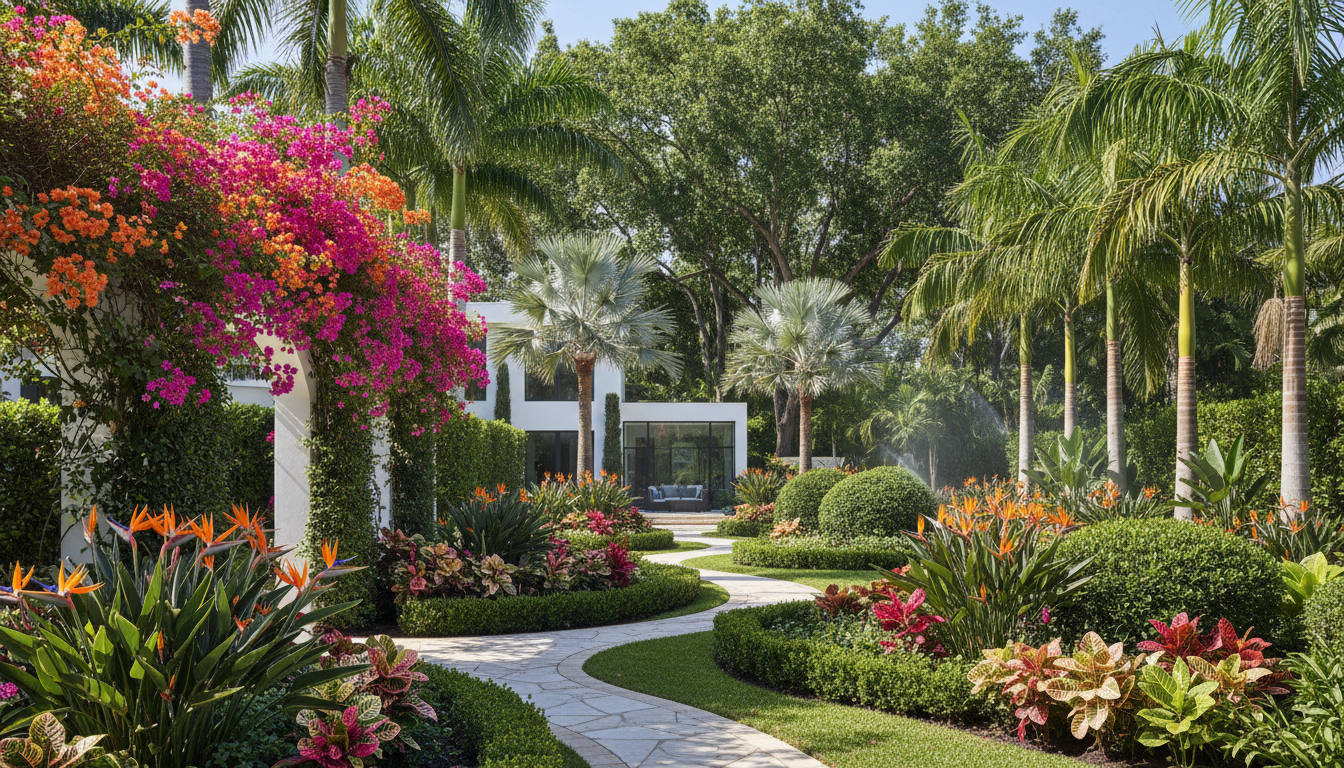
Florida's unique climate offers a distinctive opportunity for gardeners to enjoy a lush, vibrant landscape year-round. With its subtropical environment, the state provides ideal conditions for a variety of plants, but understanding the seasonal nuances is crucial for successful gardening.
Understanding Florida’s Climate
Florida's climate can be divided into two main regions: the subtropical north and the tropical south. This diversity allows for a wide range of plant species to thrive. However, it also means that planting schedules can vary significantly between regions. Generally, Florida experiences a mild winter and a hot, humid summer, making it vital to choose plants that can withstand these conditions.
North Florida Planting
In North Florida, the cooler months are perfect for planting vegetables like broccoli, carrots, and kale. These crops thrive in the milder temperatures of fall and winter. When transitioning to spring, consider planting tomatoes and peppers as the weather warms up. Summer can be challenging due to high temperatures, so it's best to focus on heat-tolerant plants like okra and sweet potatoes.
South Florida Planting
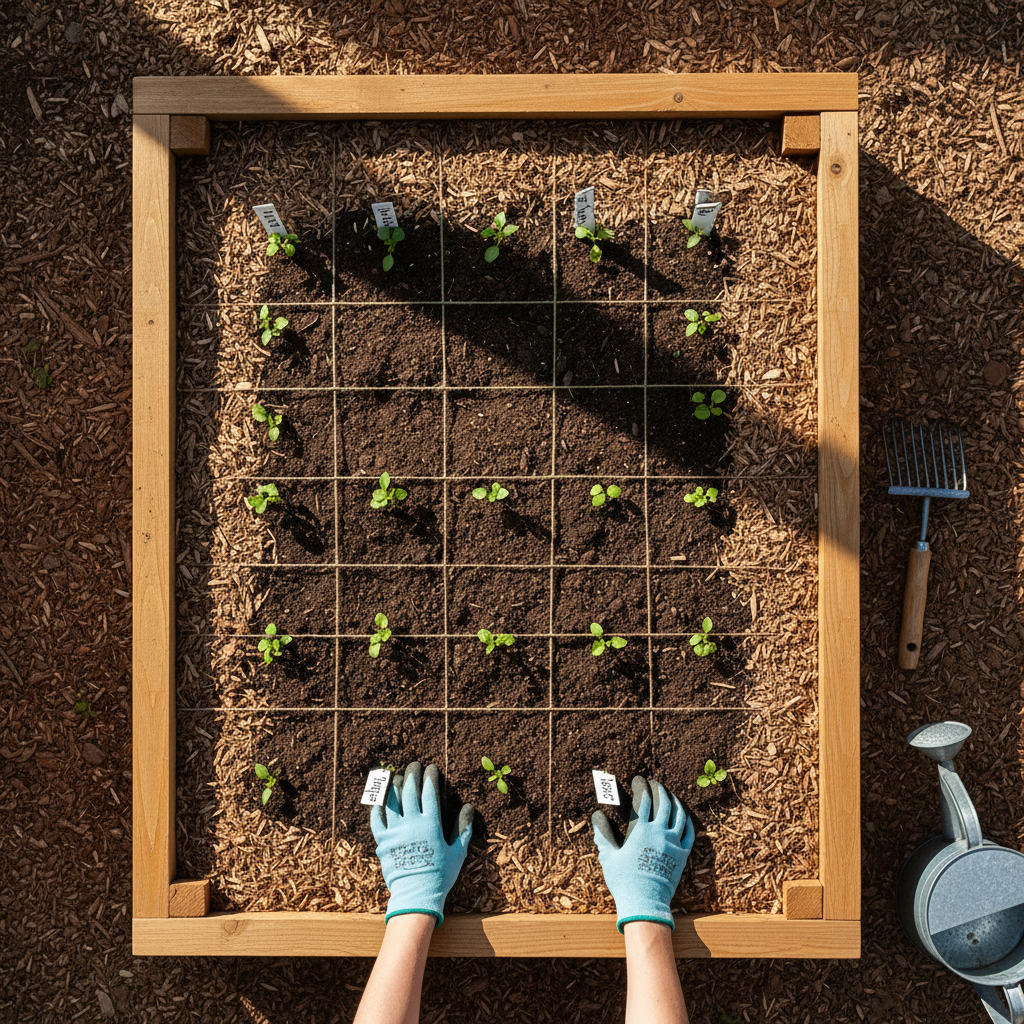
South Florida benefits from a tropical climate, allowing for year-round gardening. The winter months are ideal for growing a variety of vegetables, including lettuce, beans, and cucumbers. As the hot summer approaches, shift towards tropical plants such as pineapple and mango, which are well-suited to the heat and humidity.
Ornamental Plants and Flowers
Florida's climate is also perfect for a wide range of ornamental plants. In the fall, consider planting petunias and snapdragons, which flourish in cooler weather. Spring is ideal for marigolds and zinnias, adding vibrant colors to your garden. During the hot summer months, focus on heat-loving flowers like hibiscus and bougainvillea.
Best Practices for Florida Gardening
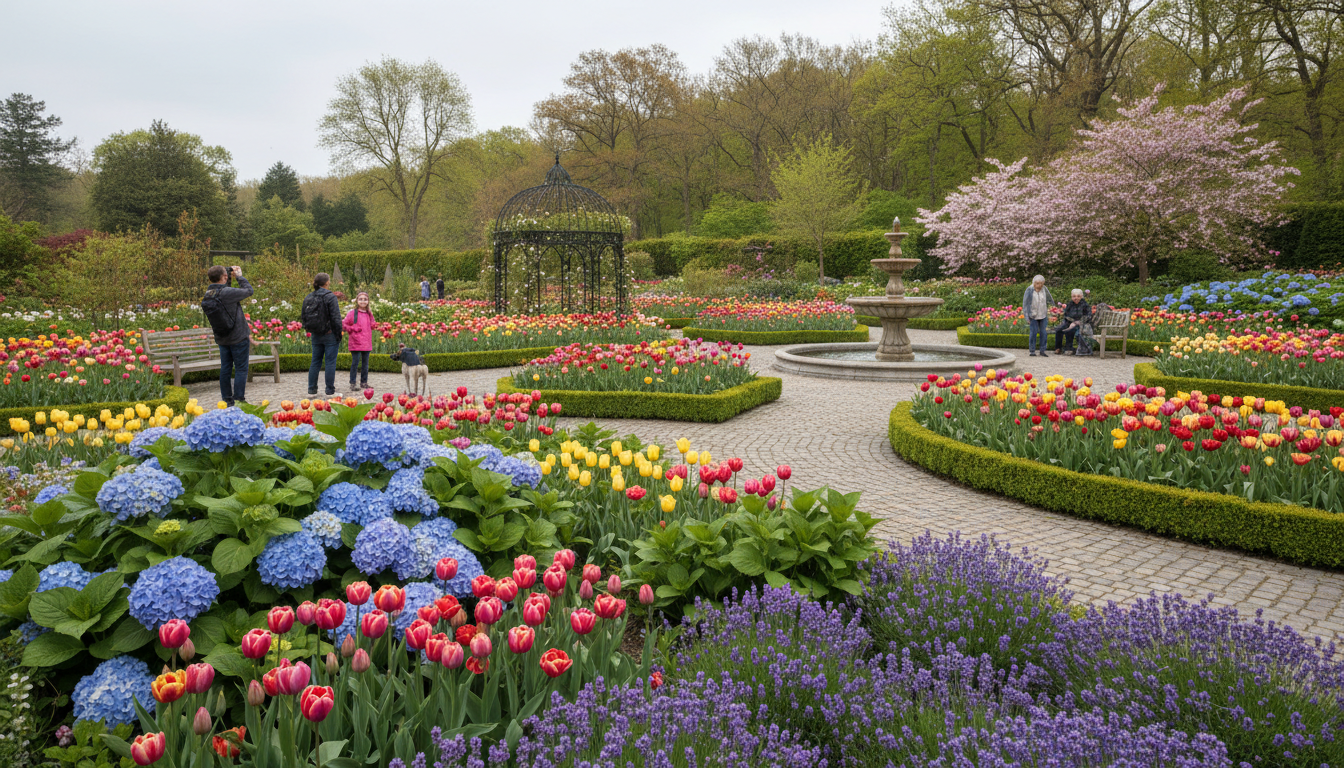
To make the most of Florida's diverse climate, it’s important to follow some best practices. First, ensure that your soil is well-draining, as heavy rains can lead to waterlogged roots. Mulching can help retain moisture and regulate soil temperature. Additionally, consider using native plants, which are more resilient to local pests and climate variations.
Watering and Maintenance
Watering practices are crucial in Florida's climate. During the dry season, regular watering is essential, but be cautious of overwatering, especially in the rainy season. It's also important to regularly check for pests and diseases, which can be more prevalent in humid conditions.
By understanding the specific needs of different plants and Florida's unique climate conditions, you can create a thriving garden that brings beauty and bounty throughout the year. Happy planting!