Planning Your Small-Acreage Farm: Success Stories from Florida Homesteaders


Starting with a Vision
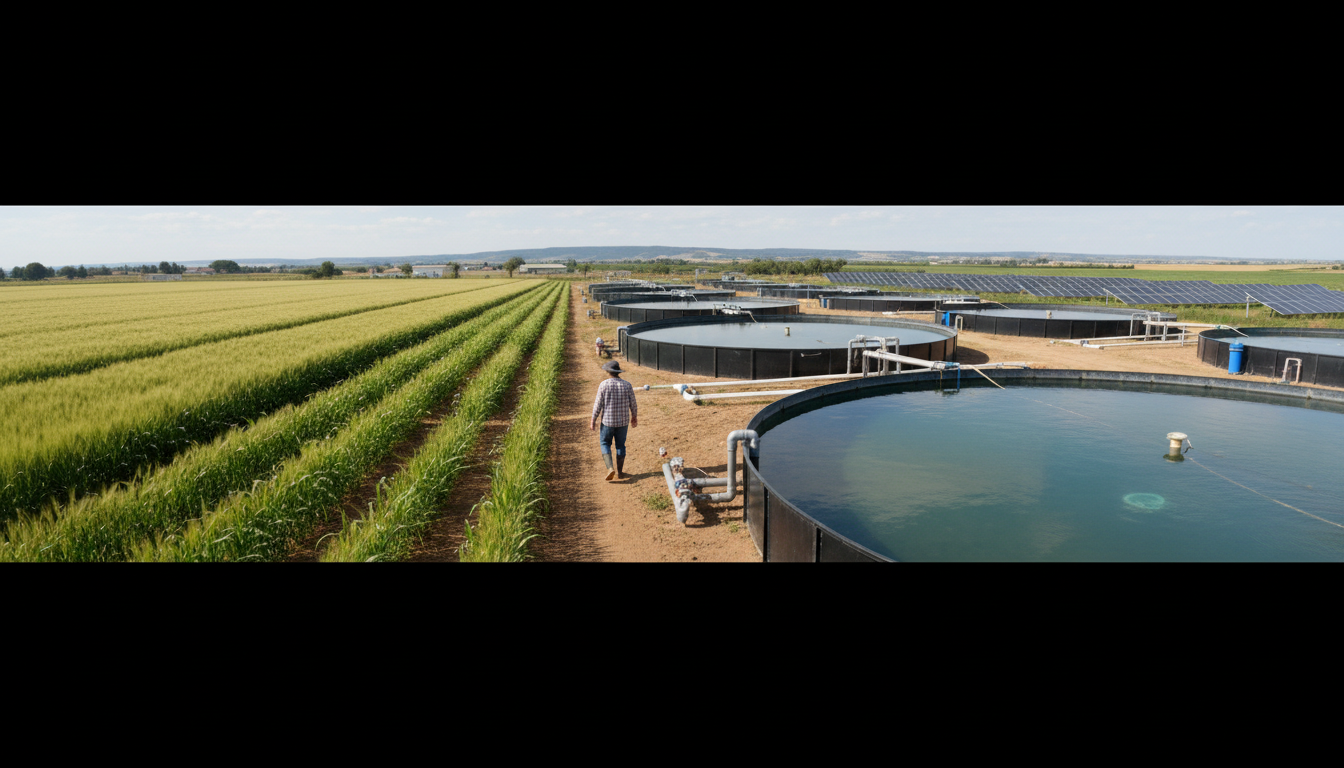
When considering a small-acreage farm in Florida, it’s essential to begin with a clear vision. Successful homesteaders often start by defining their goals and understanding the resources available. Whether it’s cultivating organic vegetables, raising livestock, or creating a sustainable ecosystem, having a focused plan is critical.
Florida’s climate offers unique opportunities and challenges. The warm weather allows for year-round growing, but it also means dealing with pests and high humidity. Crafting a detailed plan that considers these elements can make a significant difference.
Choosing the Right Crops
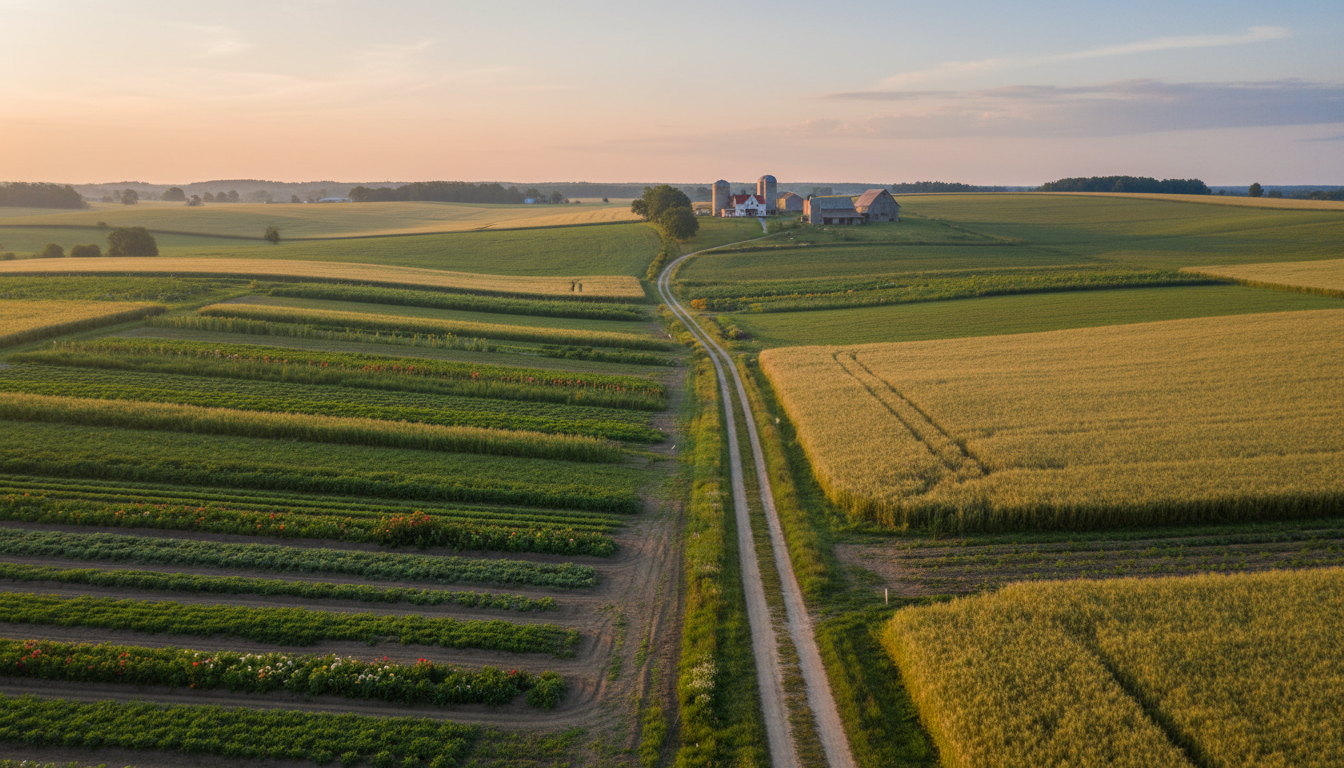
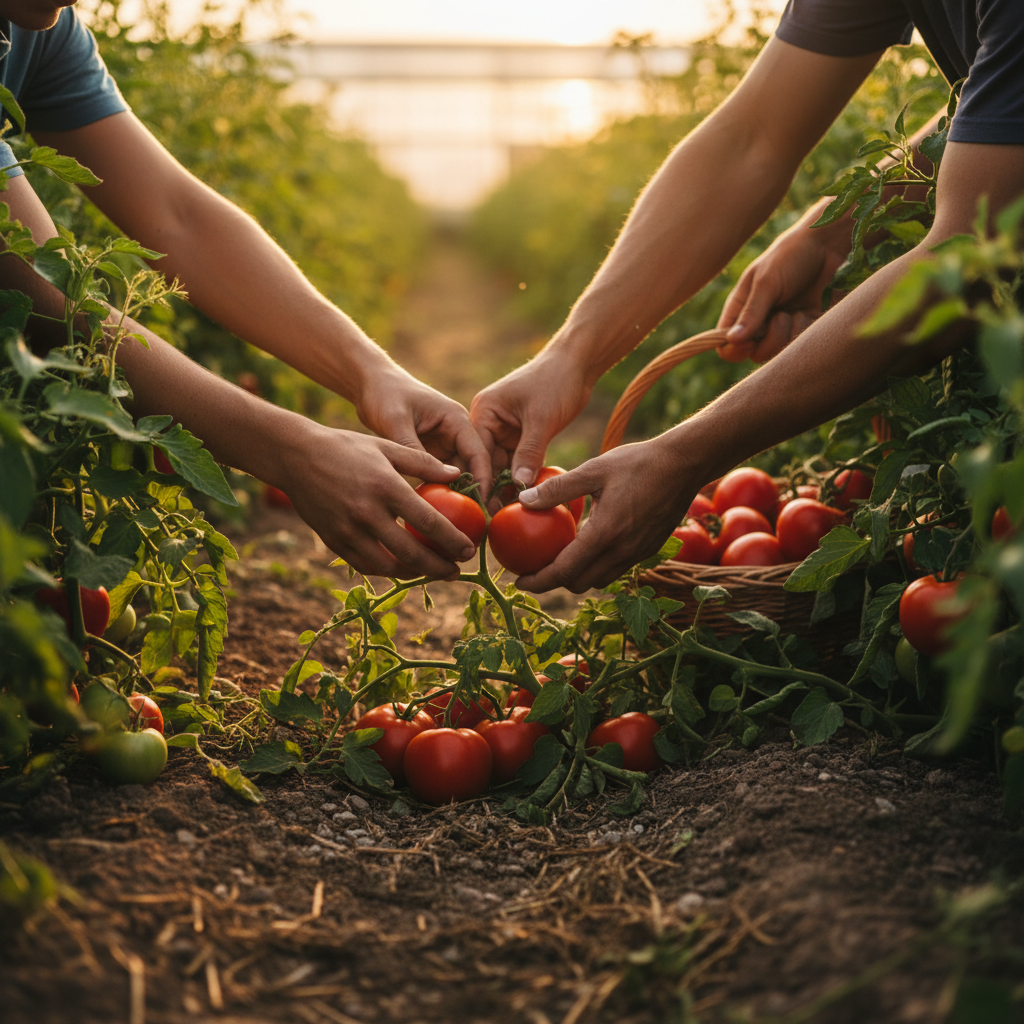
Selecting the appropriate crops is a cornerstone of any successful small-acreage farm. Florida’s diverse climate zones mean that what works in one area might not be feasible in another. Homesteaders have found success with crops like tomatoes, peppers, and citrus fruits, which thrive in the state’s conditions.
It’s essential to research and choose crops that align with your farm’s specific environment. Utilizing local resources such as agricultural extension offices can provide valuable insights into what will work best in your area.
Learning from Others
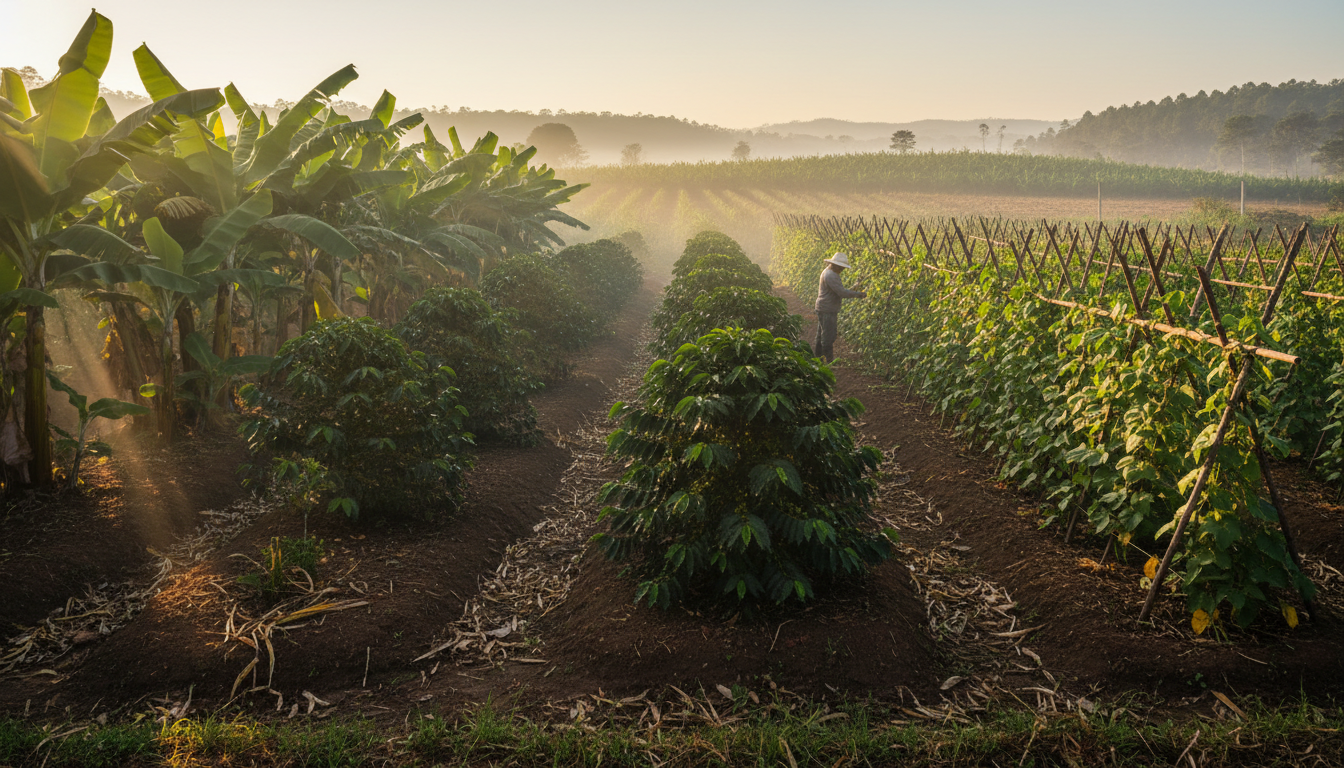
Many Florida homesteaders have turned to community resources and networks to gather knowledge and support. Connecting with other local farmers can provide inspiration and practical advice. Participating in local farming workshops or joining online forums can be incredibly beneficial.
One inspiring story comes from a couple in Central Florida who turned their small plot into a thriving organic farm. By engaging with their community and learning from fellow farmers, they were able to overcome initial challenges and create a successful venture.
Embracing Sustainability
Sustainability is a key focus for many small-acreage farmers in Florida. Implementing practices like crop rotation, composting, and water conservation can lead to a more productive and environmentally friendly farm. Many homesteaders are also exploring permaculture principles to enhance their sustainability efforts.
By adopting these practices, farmers not only protect their land but also increase their farm's resilience against climate challenges. This approach ensures long-term success and aligns with the growing consumer demand for eco-friendly products.
Overcoming Challenges
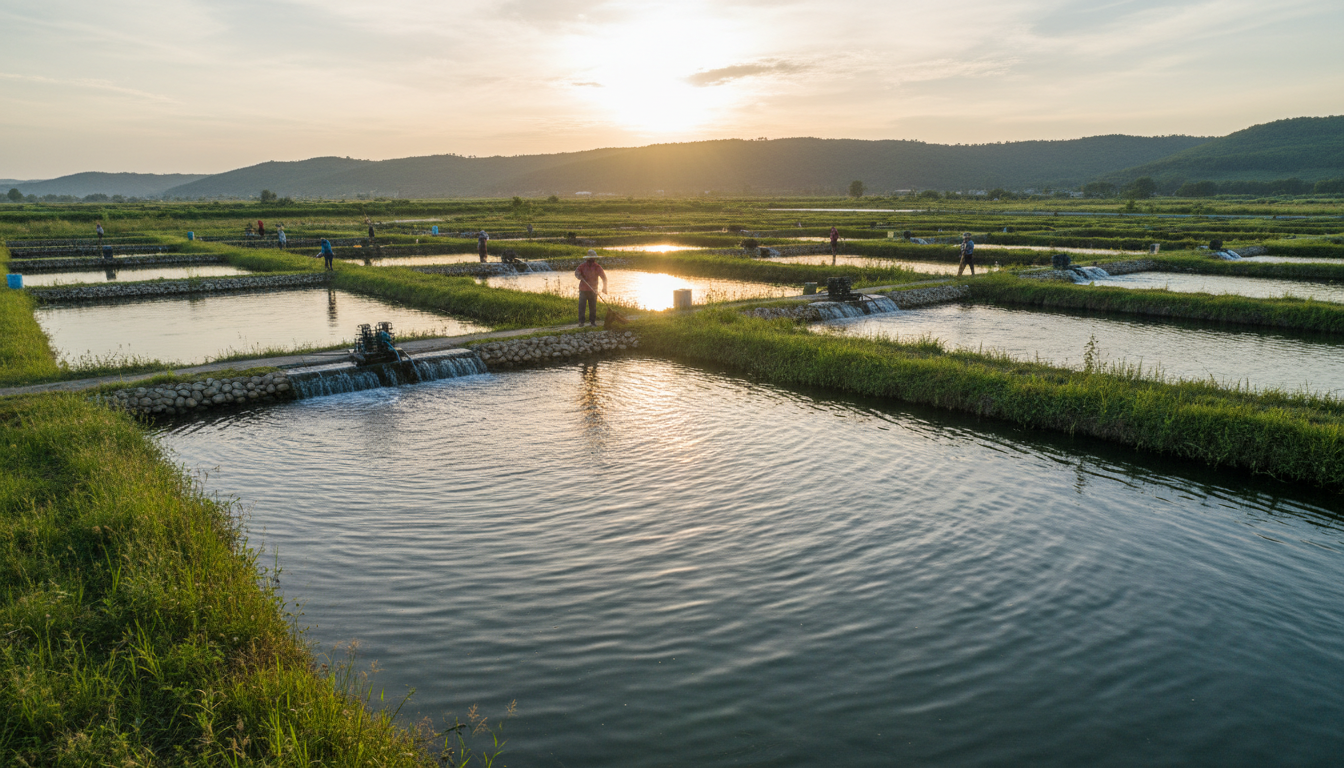
Starting a small-acreage farm is not without its hurdles. Common challenges include managing pests, dealing with unpredictable weather, and accessing markets. Successful homesteaders often emphasize the importance of adaptability and continuous learning.
Investing in proper infrastructure, such as irrigation systems and greenhouses, can mitigate some of these issues. Additionally, developing a robust marketing strategy to connect with local consumers can enhance profitability.
Planning for Success
Planning a small-acreage farm in Florida requires a blend of vision, research, community engagement, and sustainability. By learning from the experiences of successful homesteaders, new farmers can build a solid foundation for their ventures.
Whether you're just starting or looking to improve an existing farm, the stories and strategies of Florida’s homesteaders offer valuable insights and inspiration. With dedication and the right approach, your small-acreage farm can flourish.