Planning Your Florida Garden: Seasonal Planting and Pollinator Strategies


Understanding Florida's Climate
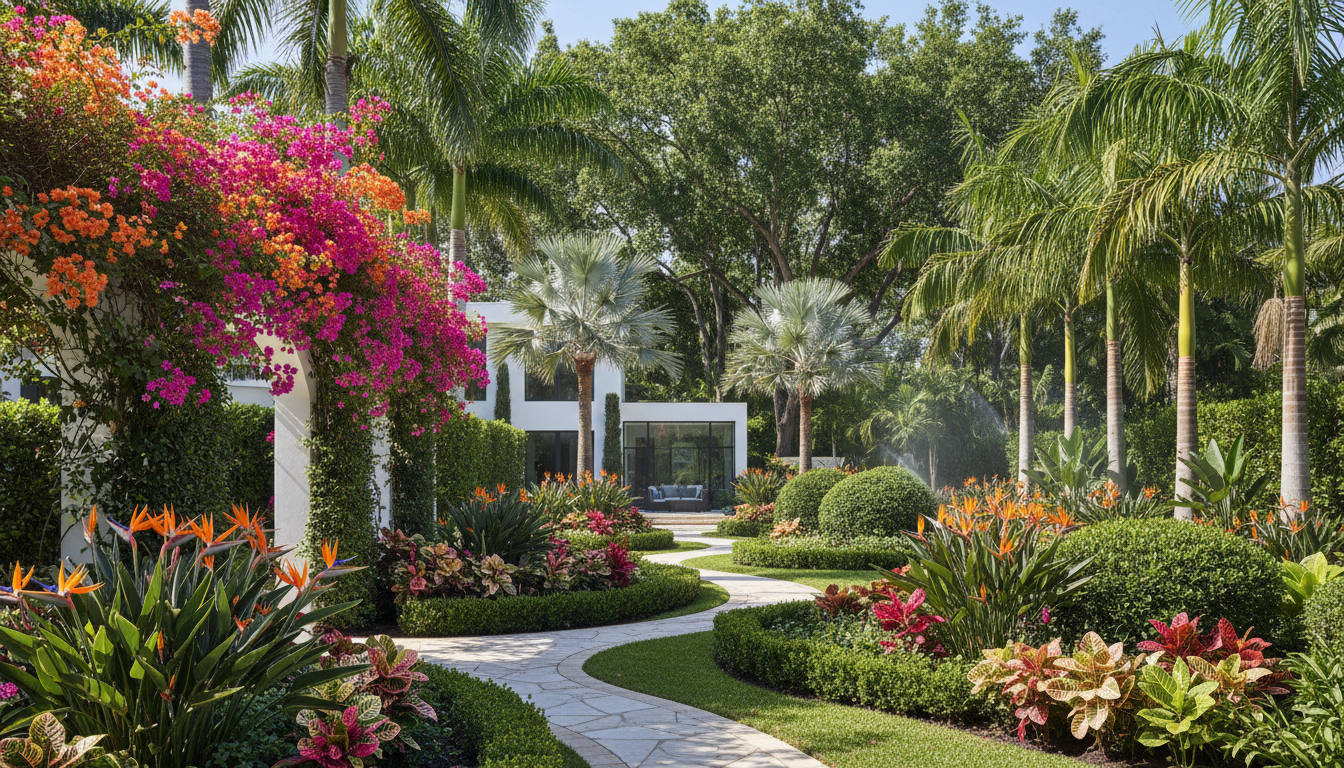
Florida's unique climate offers both challenges and opportunities for gardening enthusiasts. With its subtropical to tropical climate, the state experiences mild winters and hot, humid summers. Understanding the seasonal variations is crucial for successful gardening in Florida.
In general, the state can be divided into three main planting zones: North, Central, and South Florida. Each region has its own specific planting calendar, and knowing your zone will help you choose the right plants and planting times.
Seasonal Planting Tips
Spring Planting
Spring is an ideal time to plant a variety of fruits, vegetables, and flowers. In North Florida, start planting in March, while Central and South Florida can begin as early as February. Consider planting tomatoes, peppers, and cucumbers, which thrive in the warm spring weather.
Summer Planting
Summer's heat can be intense, especially in Central and South Florida. Opt for heat-tolerant plants like okra, sweet potatoes, and various herbs. Make sure to provide adequate water and mulch to retain soil moisture.
Fall and Winter Planting
Fall is perfect for starting cool-season crops such as lettuce, carrots, and broccoli. In South Florida, winter is mild enough for continuous planting, while North Florida gardeners should focus on frost-resistant varieties.
Pollinator-Friendly Strategies
Why Pollinators Matter
Pollinators like bees, butterflies, and hummingbirds are vital for a thriving garden. They help in the pollination process, leading to better yields and healthier plants. Creating a pollinator-friendly environment can greatly enhance your garden's productivity.
Creating a Pollinator Habitat
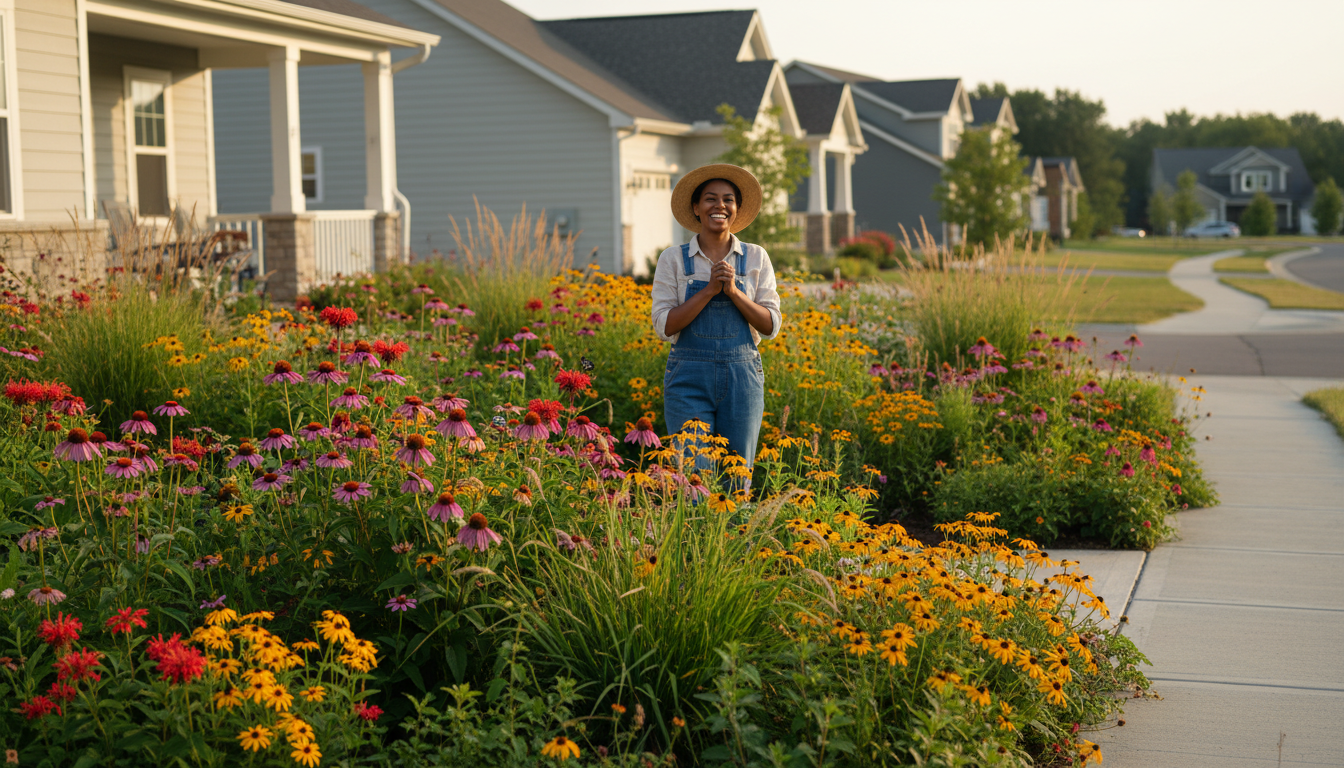
To attract pollinators, incorporate a variety of flowering plants that bloom at different times of the year. Native plants are particularly effective, as they are adapted to the local climate and soil conditions. Consider plants like firebush, milkweed, and blanket flower.
Additional Tips for Success
Beyond choosing the right plants, ensure your garden offers shelter and water sources for pollinators. Avoid using pesticides, as they can harm beneficial insects. Instead, focus on organic gardening methods to maintain a healthy ecosystem.
Conclusion
Planning your Florida garden with seasonal planting and pollinator strategies in mind can lead to a vibrant and productive outdoor space. By understanding the regional climate and embracing pollinator-friendly practices, you can enjoy a beautiful and fruitful garden year-round.