Pasture Management for Horses: Best Practices for Florida Landowners


Understanding Florida's Unique Pasture Environment
Florida's climate presents unique challenges and opportunities for pasture management. With its subtropical climate, the state experiences high humidity and heavy rainfall, which can affect grass growth and soil health. Understanding these environmental factors is crucial for effective pasture management.
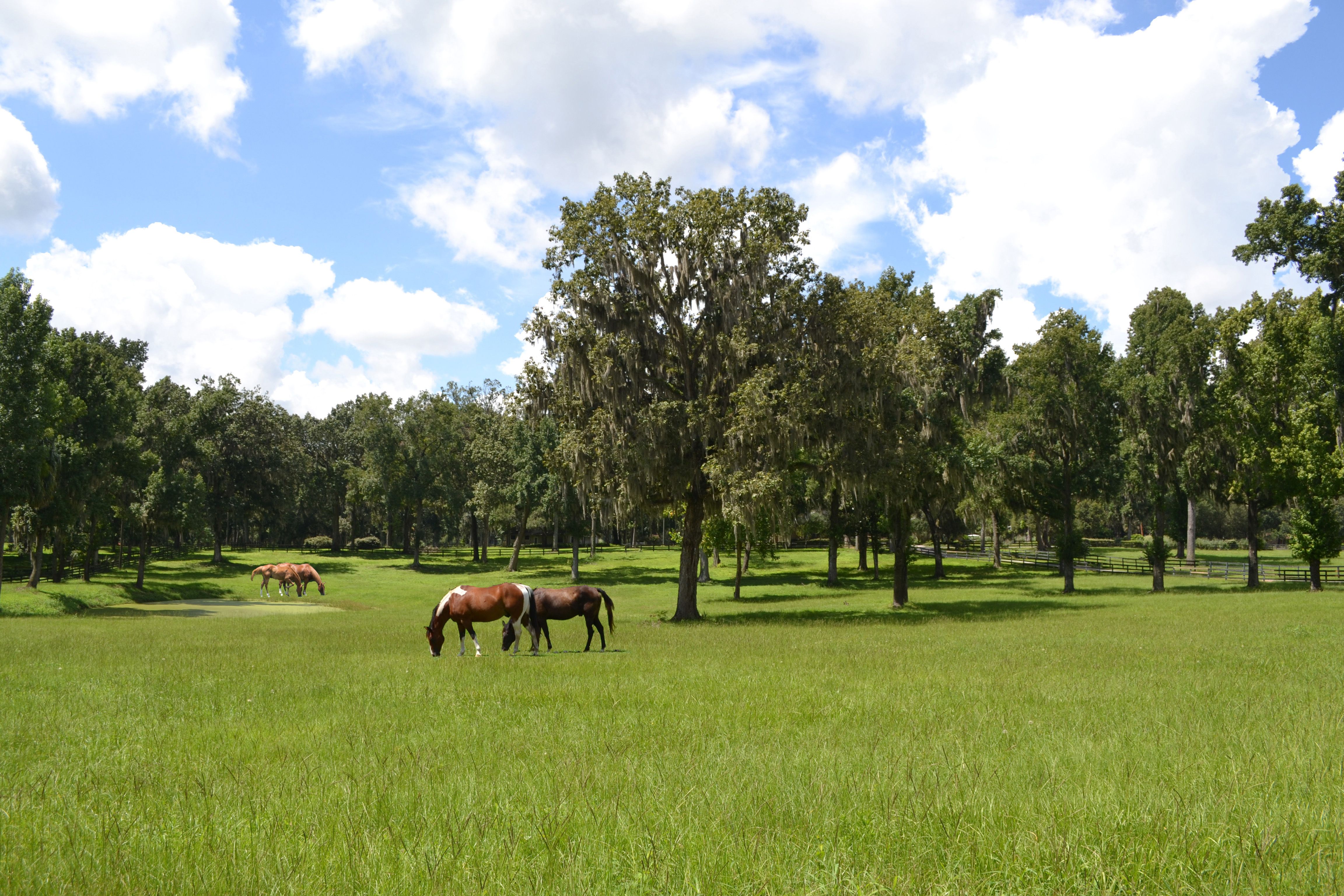
The type of grass used in your pastures can significantly impact your management strategy. Bermuda grass, Bahia grass, and other warm-season grasses thrive in Florida's climate. Selecting the right grass type is vital for maintaining healthy pastures.
Soil Testing and Fertilization
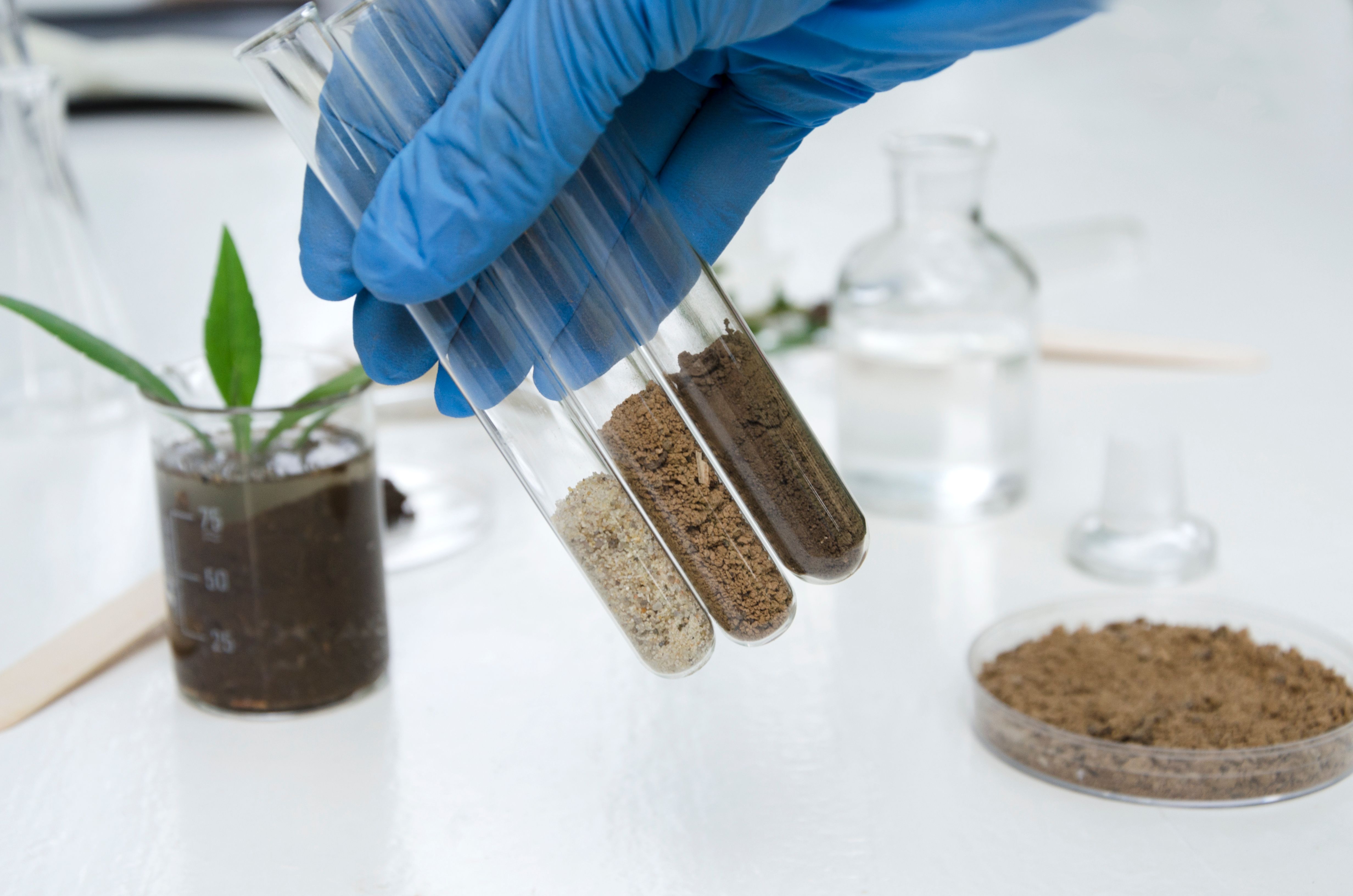
Regular soil testing is a best practice for pasture management. It helps you understand the nutrient composition and pH level of your soil, enabling you to make informed decisions about fertilization. Florida soils often require lime to balance pH levels, promoting optimal grass growth.
Fertilization should be based on the results of your soil test. Applying the right nutrients at the right time ensures that your pasture remains lush and productive. Nitrogen, phosphorus, and potassium are essential nutrients for grass growth.
Grazing Management
Proper grazing management is crucial for maintaining pasture health. Overgrazing can lead to soil compaction and erosion, while under-grazing can result in weed overgrowth. Implementing a rotational grazing system helps balance these factors, promoting sustainable pasture use.
Consider dividing your pasture into smaller paddocks and rotating your horses between them. This practice allows time for grass recovery and reduces the risk of overgrazing.
Weed Control and Pest Management
Weeds can compete with grasses for nutrients, water, and sunlight, potentially reducing the quality of your pasture. Regular mowing and targeted herbicide applications can help manage weed populations effectively.
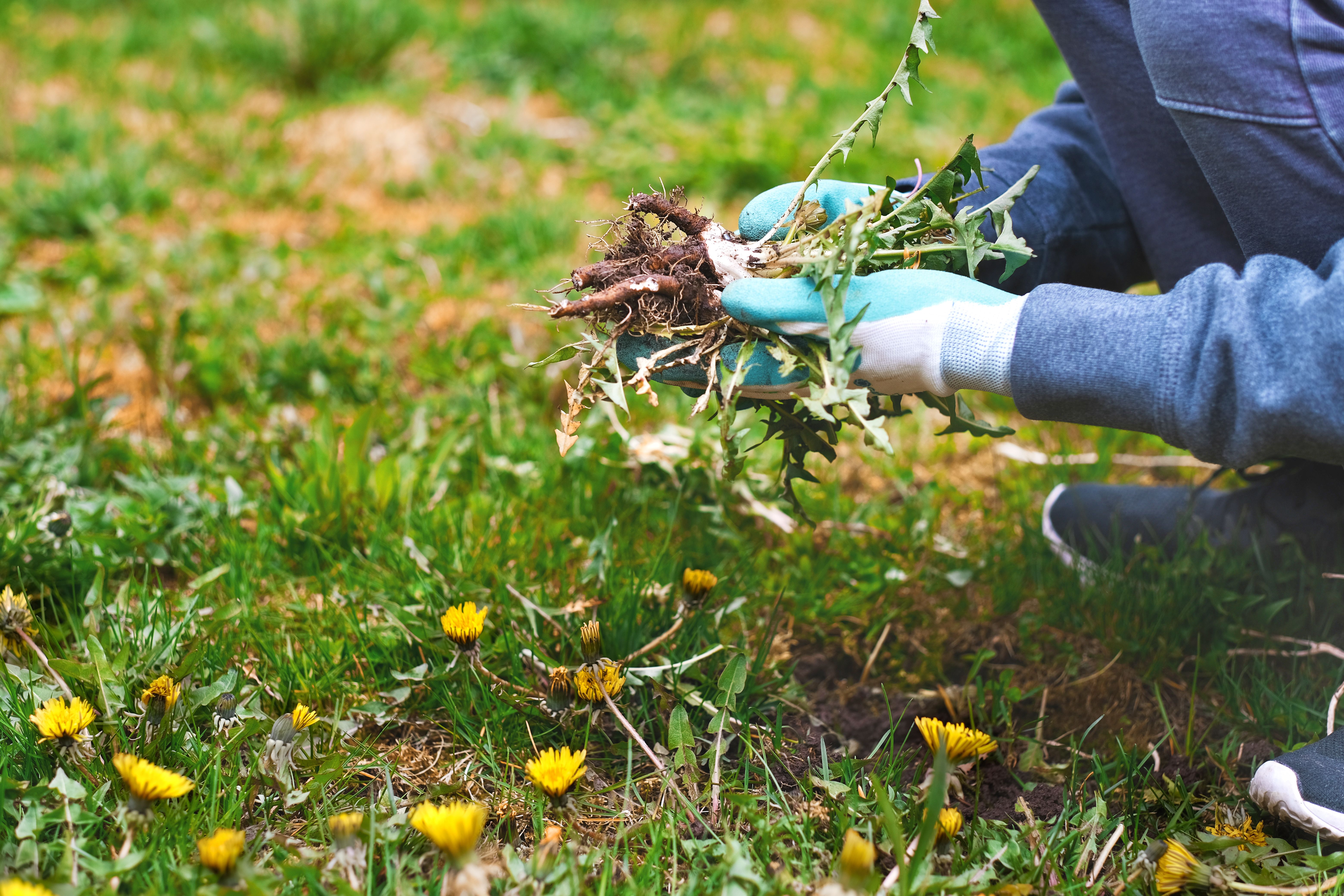
In addition to weeds, pests such as insects and rodents can pose a threat to your pasture. Integrated pest management strategies, including biological controls and environmentally friendly pesticides, can help keep pests in check.
Water Management and Irrigation
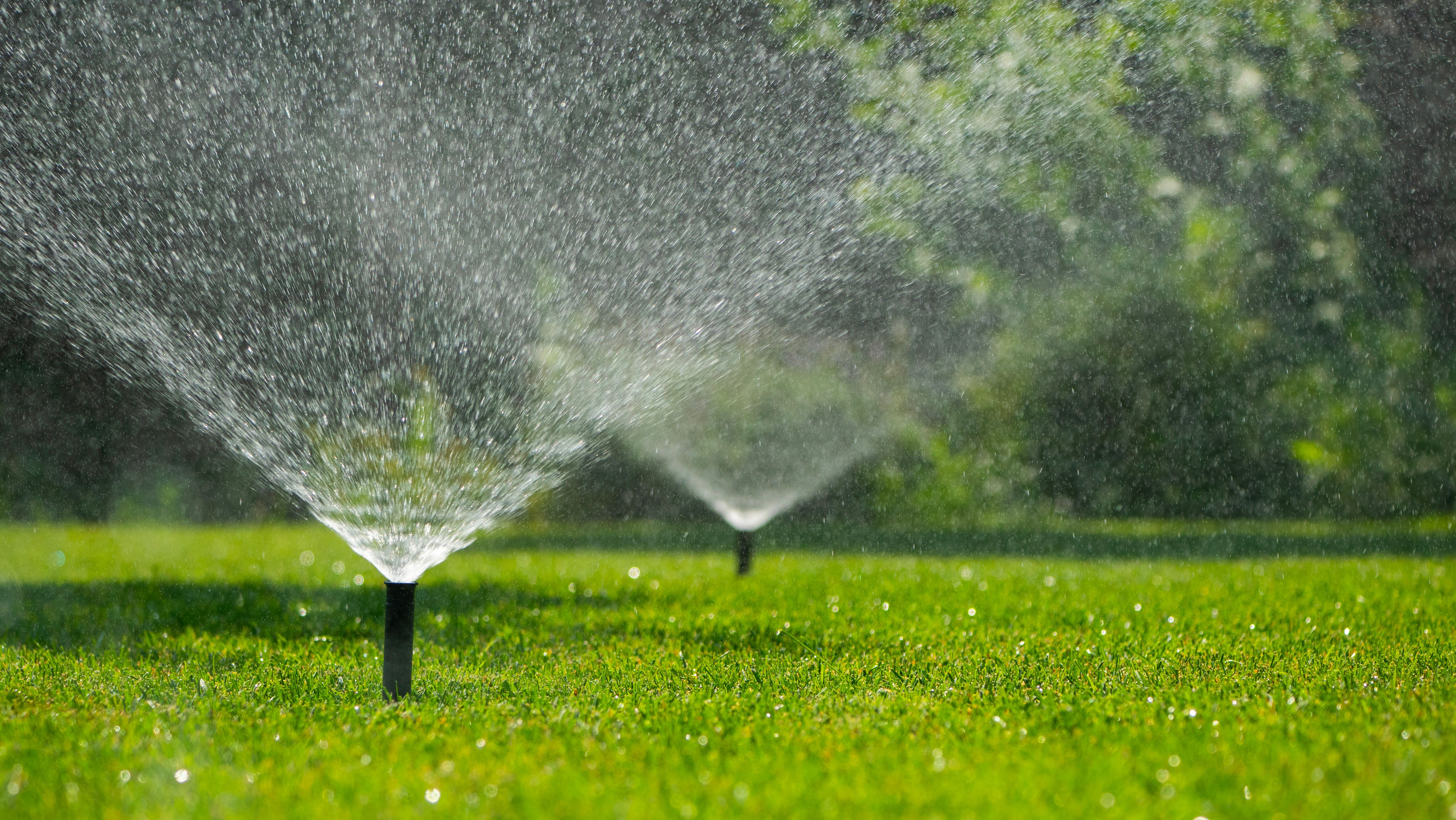
Water management is another critical aspect of pasture management in Florida. Although the state receives ample rainfall, there are periods of drought that can stress pastures. Installing an efficient irrigation system can ensure your pasture remains productive year-round.
Consider using drip or sprinkler irrigation systems to maintain consistent soil moisture levels. Proper water management not only supports grass growth but also conserves water resources.
Pasture Renovation and Improvement
Over time, pastures may require renovation to maintain their productivity. This can involve reseeding, aerating the soil, or introducing new grass species. Regularly assessing your pasture's condition will help you determine when renovation is necessary.
Investing in pasture improvement not only enhances the quality of forage available to your horses but also increases the overall value of your land.