Organic Farming in Ocala: Expert Tips for Beginners


Understanding Organic Farming
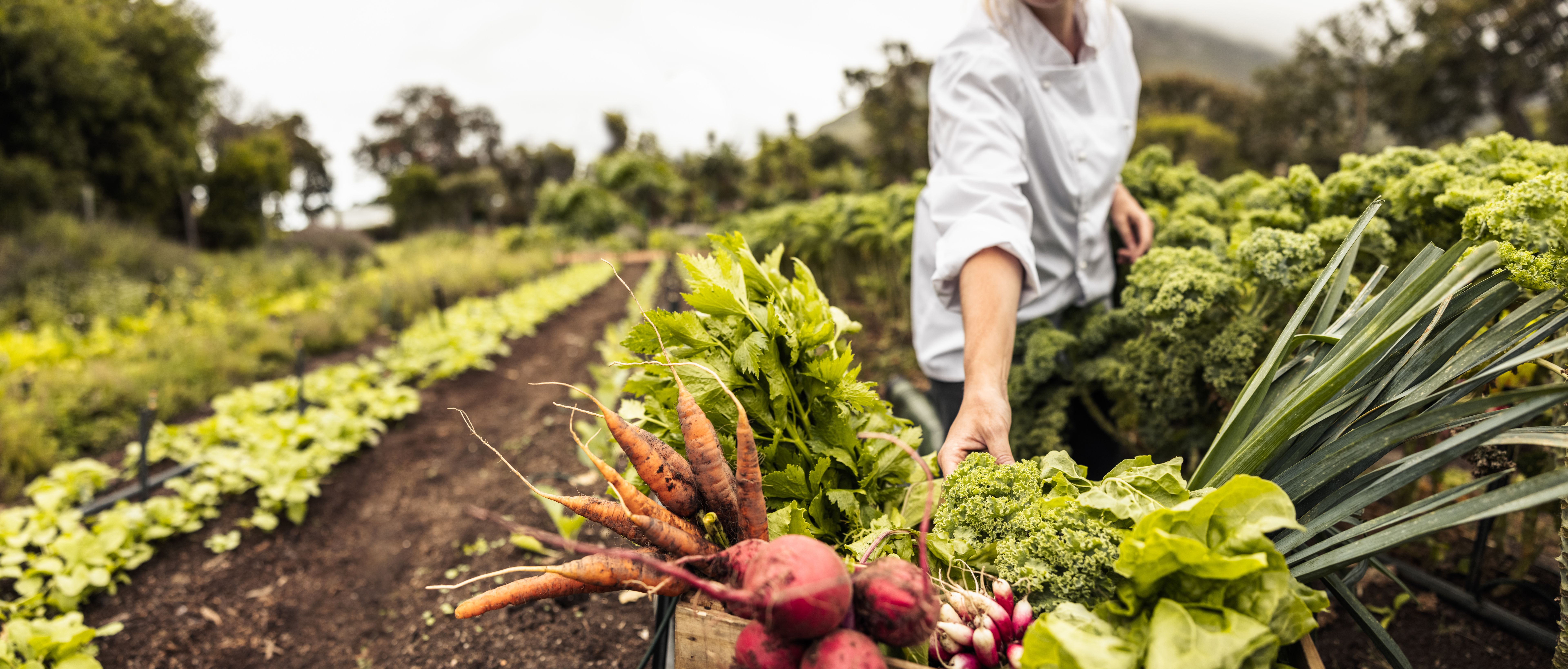
Organic farming in Ocala is gaining traction as more people become conscious of sustainable agriculture. This practice emphasizes the use of natural processes and materials, avoiding synthetic fertilizers and pesticides. By fostering soil fertility and biodiversity, organic farming not only benefits the environment but also produces healthier food.
For beginners, diving into organic farming might seem daunting, but with the right guidance, anyone can succeed. Ocala's climate and soil conditions are favorable for growing a variety of crops, making it an ideal location for starting your organic journey.
Getting Started with Organic Farming
Choose the Right Crops
One of the first steps is selecting crops that suit Ocala's subtropical climate. Consider starting with vegetables like tomatoes, peppers, and leafy greens, which thrive in this region. It's crucial to understand the growing seasons and plant accordingly.
Additionally, incorporating native plants can enhance biodiversity and reduce the need for external inputs. Native species are well-adapted to local conditions, making them more resilient to pests and diseases.
Soil Preparation and Enrichment
Healthy soil is the foundation of successful organic farming. Begin by testing the soil to determine its pH and nutrient levels. Based on the results, you can enrich the soil with organic matter such as compost or well-rotted manure.
Implementing crop rotation and cover cropping are effective strategies to maintain soil fertility. These practices prevent nutrient depletion and help control weeds and pests naturally.

Pest and Weed Management
Natural Pest Control
Organic farming relies on natural methods to manage pests. Encouraging beneficial insects like ladybugs and lacewings can help keep harmful pests in check. Planting flowers such as marigolds and nasturtiums can attract these beneficial insects to your farm.
Another strategy is to use physical barriers, such as row covers, to protect crops from pests. Regular monitoring and early intervention are key to managing pest populations effectively.

Weed Management Techniques
Weeds compete with crops for nutrients, water, and sunlight. Mulching is an effective way to suppress weeds while retaining soil moisture. Organic mulches like straw or wood chips are ideal choices.
Hand weeding and hoeing are traditional methods that are still effective in small-scale operations. Consistent maintenance is essential to prevent weeds from taking over your garden.
Building a Supportive Community
Organic farming can be more successful with community support. Joining local farming groups or cooperatives can provide valuable resources and networking opportunities. Participating in farmers' markets or community-supported agriculture (CSA) programs can also help you connect with consumers who value organic produce.
Ocala has a vibrant farming community, and engaging with fellow farmers can lead to shared knowledge and collaboration. This sense of community can be a significant asset in your organic farming journey.