Organic Farming Advice for Ocala: What You Need to Know


Understanding the Basics of Organic Farming
Organic farming is a sustainable approach that focuses on maintaining ecological balance and avoiding synthetic inputs. In Ocala, with its unique climate and soil conditions, adopting organic farming can be both rewarding and challenging. It's essential to understand the principles of organic farming, which include crop rotation, green manures, and composting.
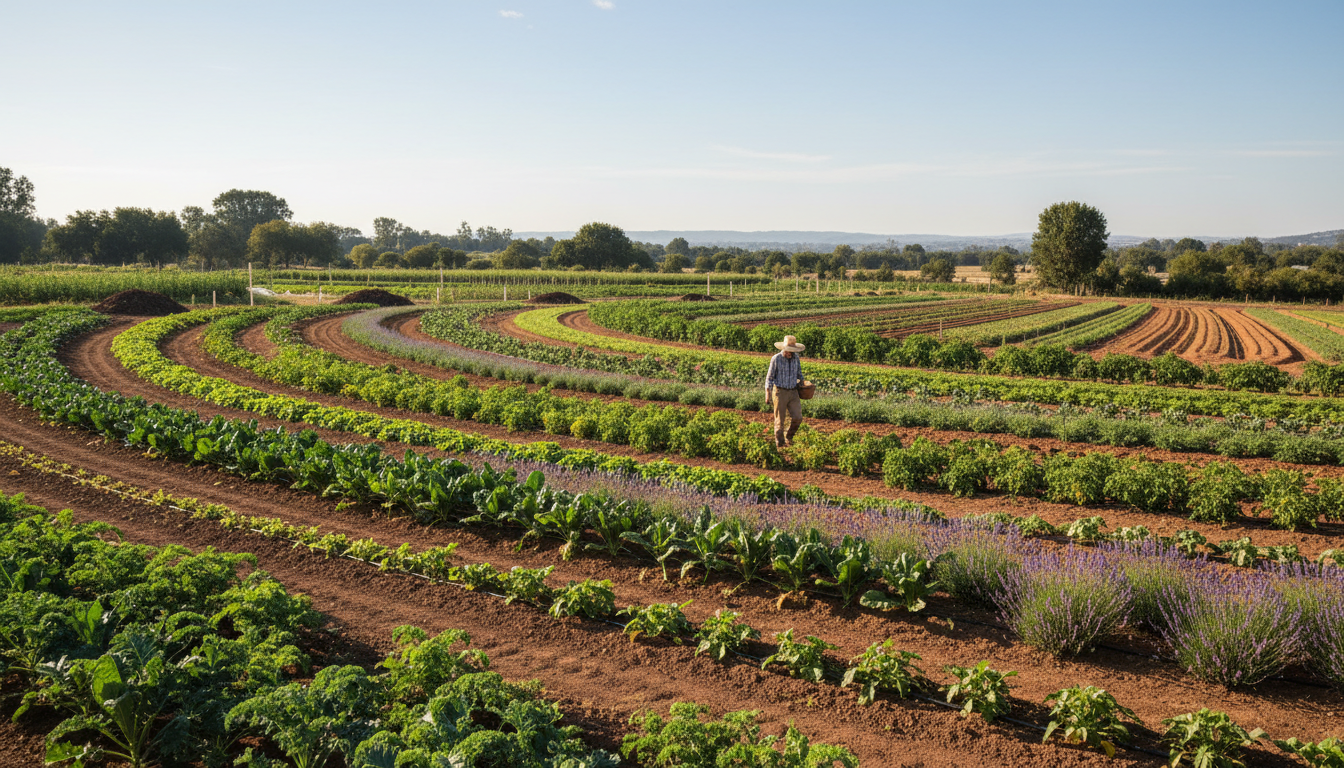
These methods help maintain soil fertility and promote biodiversity. By focusing on natural processes, organic farmers in Ocala can enhance the health of their crops and the surrounding environment.
Soil Health and Fertility
Maintaining healthy soil is crucial for successful organic farming. In Ocala, the sandy soil requires specific attention to ensure it remains fertile. Implementing organic matter such as compost or manure can significantly improve soil structure and nutrient content. Regular soil testing is recommended to monitor pH levels and nutrient balance.

Cover cropping is another technique that helps prevent soil erosion and suppresses weeds. By planting cover crops, you can naturally enrich the soil, making it more productive for future planting seasons.
Choosing the Right Crops
Selecting suitable crops for the Ocala climate is vital for a thriving organic farm. Consider the local weather patterns, including temperature fluctuations and rainfall, when planning your crop rotation. Warm-season vegetables like tomatoes, peppers, and cucumbers are excellent choices.

Additionally, native plants can be more resilient to local pests and diseases. Researching the best crop varieties for your specific location will lead to better yields and healthier plants.
Pest and Disease Management
Organic farming in Ocala requires effective pest and disease management strategies. Integrated Pest Management (IPM) is a holistic approach that combines biological, cultural, and mechanical methods to control pests. Encouraging beneficial insects, such as ladybugs and predatory beetles, can naturally reduce pest populations.
Companion planting is another valuable technique, where certain plants are grown together to deter pests. For instance, planting marigolds around vegetable gardens can repel nematodes and other harmful insects.
Water Conservation Techniques
Water conservation is essential in Ocala due to periodic dry spells. Organic farmers can adopt several methods to conserve water, such as drip irrigation, which delivers water directly to the plant roots with minimal waste. Mulching is also effective in retaining soil moisture and reducing evaporation.
By implementing these water-saving techniques, organic farmers can ensure their crops receive adequate hydration even during dry periods, promoting sustainable farming practices.