Organic Farming Advice for Ocala: Best Practices and Tips


Introduction to Organic Farming in Ocala
Ocala, with its favorable climate and rich soil, provides an excellent environment for organic farming. Whether you're a seasoned farmer or a beginner, understanding the best practices for organic farming can significantly enhance your productivity and sustainability.
Understanding Soil Health
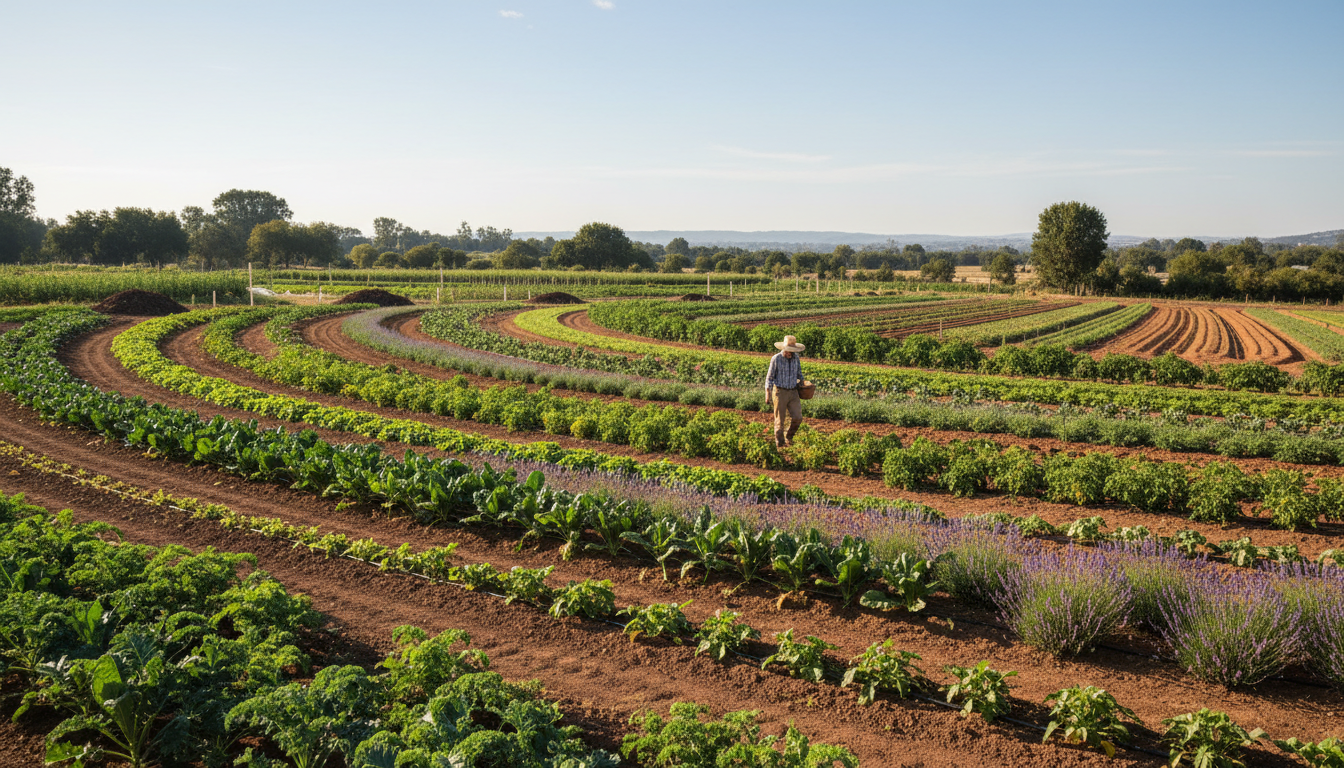
Soil health is the cornerstone of successful organic farming. In Ocala, the sandy soil requires specific amendments to improve its fertility. Incorporate organic matter such as compost and cover crops to enhance soil structure and nutrient content. Regular soil testing can help you monitor pH levels and nutrient availability.
Composting Techniques
Composting is a vital practice in organic farming. It recycles organic waste into valuable nutrients for your crops. Start by collecting kitchen scraps, yard waste, and manure. Layer these materials in a compost bin, ensuring a balance between green and brown materials for optimal decomposition.
Choosing the Right Crops
Selecting crops that thrive in Ocala's climate is crucial. Consider planting native or adapted species that require less intervention. Some excellent choices include collard greens, sweet potatoes, and tomatoes. These crops not only adapt well but also have robust resistance to local pests.
Crop Rotation Strategies
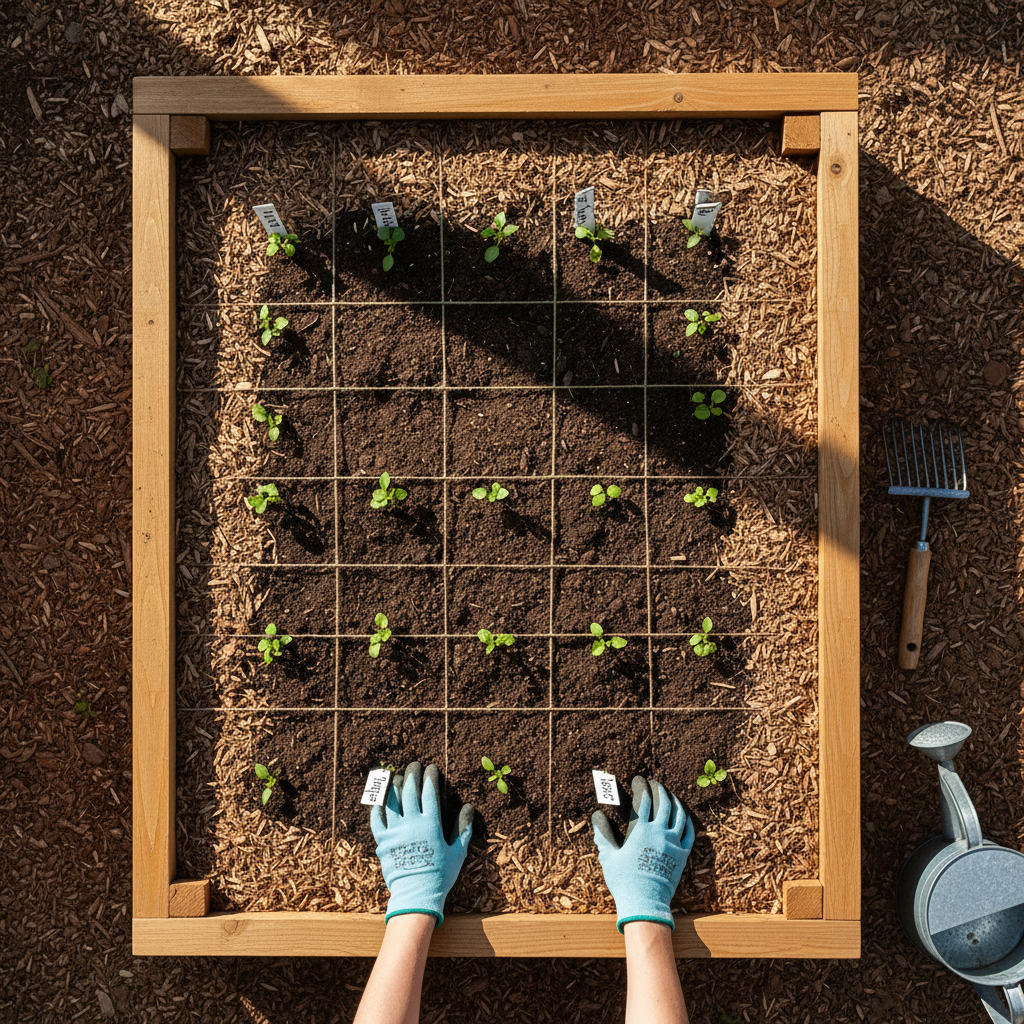
Implementing crop rotation helps prevent soil depletion and disrupts pest cycles. Rotate your crops annually by grouping them into families such as legumes, leafy greens, and root vegetables. This practice enhances soil fertility and reduces the need for synthetic fertilizers.
Effective Pest Management
Organic pest management relies on natural methods to protect crops. Encourage beneficial insects like ladybugs and lacewings, which naturally control pest populations. Additionally, consider using barriers, such as row covers, to protect your plants from harmful insects.
Natural Pest Control Options
Utilize natural pest control solutions such as neem oil, insecticidal soaps, or diatomaceous earth. These options are environmentally friendly and help maintain the ecological balance in your farm.

Water Conservation Techniques
Water conservation is critical in Ocala, where rainfall can be inconsistent. Implementing efficient irrigation systems like drip irrigation can reduce water waste and ensure your crops receive adequate moisture. Mulching around plants also helps retain soil moisture and suppresses weed growth.
Rainwater Harvesting
Consider installing rain barrels to collect rainwater. This practice not only conserves water but also provides a sustainable water source during dry spells. Use the harvested rainwater for irrigation to further enhance your farm's sustainability.
Conclusion
By implementing these best practices, organic farmers in Ocala can enhance their productivity while remaining environmentally conscious. Embrace these strategies to create a thriving and sustainable organic farming operation that contributes positively to the local ecosystem.