Maximizing Small Acreage: Sustainable Agriculture Tips for Florida Landowners


Understanding Your Land
For Florida landowners with small acreage, maximizing productivity while maintaining sustainability can be a rewarding challenge. The first step in this journey is understanding your land's unique characteristics. Florida's diverse climate zones and soil types require tailored approaches to agriculture. Conduct a soil test to determine nutrient levels and pH balance. This information will guide your choice of crops and necessary soil amendments.

Choosing the Right Crops
Florida's climate allows for a wide variety of crops, from citrus fruits to leafy greens. Selecting crops that are well-suited to your specific microclimate and soil conditions will enhance productivity. Consider planting drought-resistant varieties to conserve water, a crucial resource in Florida's often unpredictable climate. Additionally, integrating native plants can boost biodiversity and attract beneficial insects.
Seasonal Planting
Timing your planting season is essential for success. Florida's mild winters allow for year-round growing, but understanding the best planting windows for each crop is key. Utilize resources like the University of Florida's extension programs to access planting calendars and expert advice. Proper timing can lead to healthier plants and higher yields.
Sustainable Farming Practices
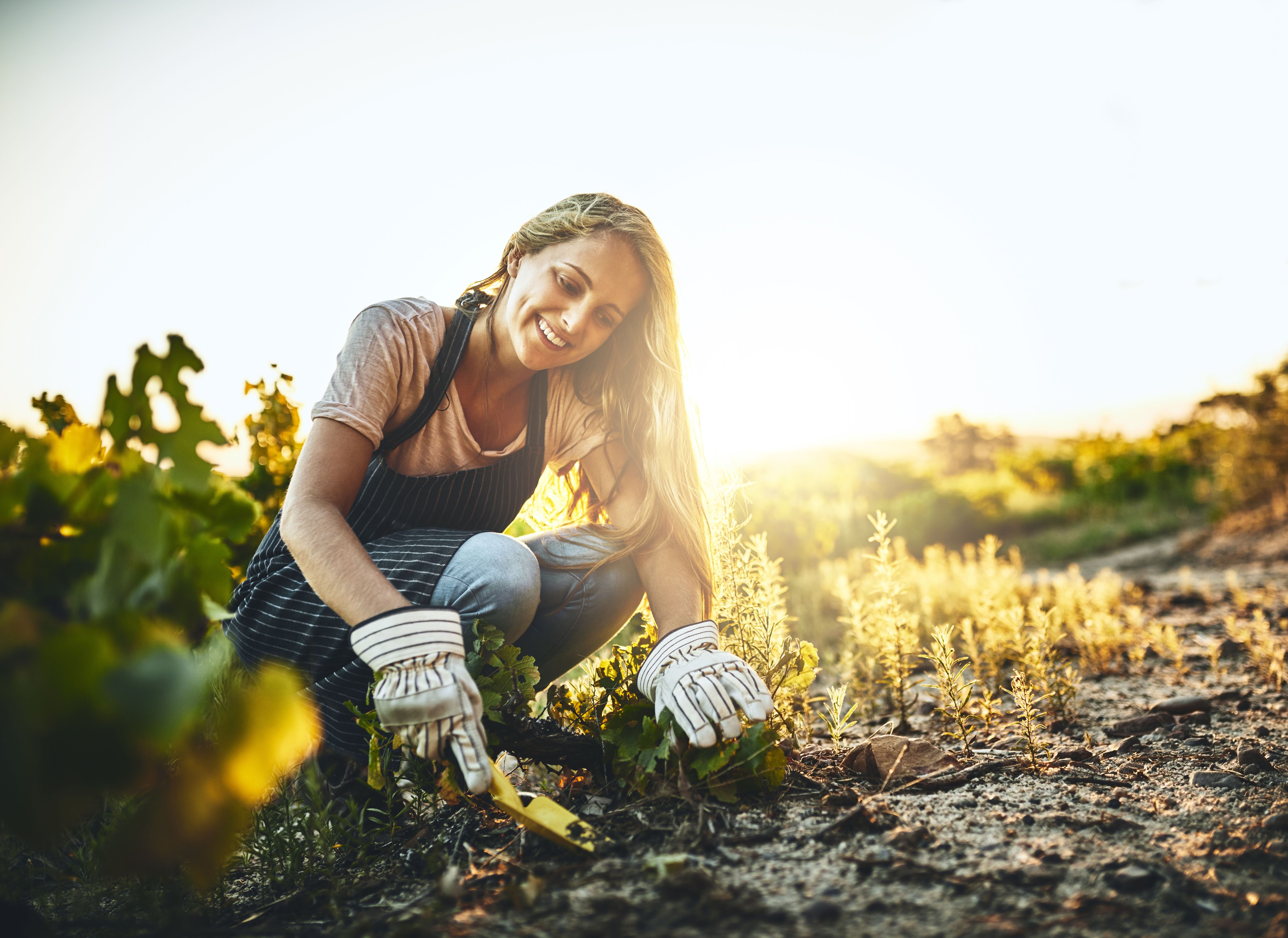
Adopting sustainable farming practices is critical for long-term success. Implementing crop rotation can prevent soil depletion and reduce pest cycles. Additionally, consider using organic fertilizers and pest control methods to minimize environmental impact. Composting organic waste not only enriches the soil but also reduces landfill contributions.
Water Conservation Techniques
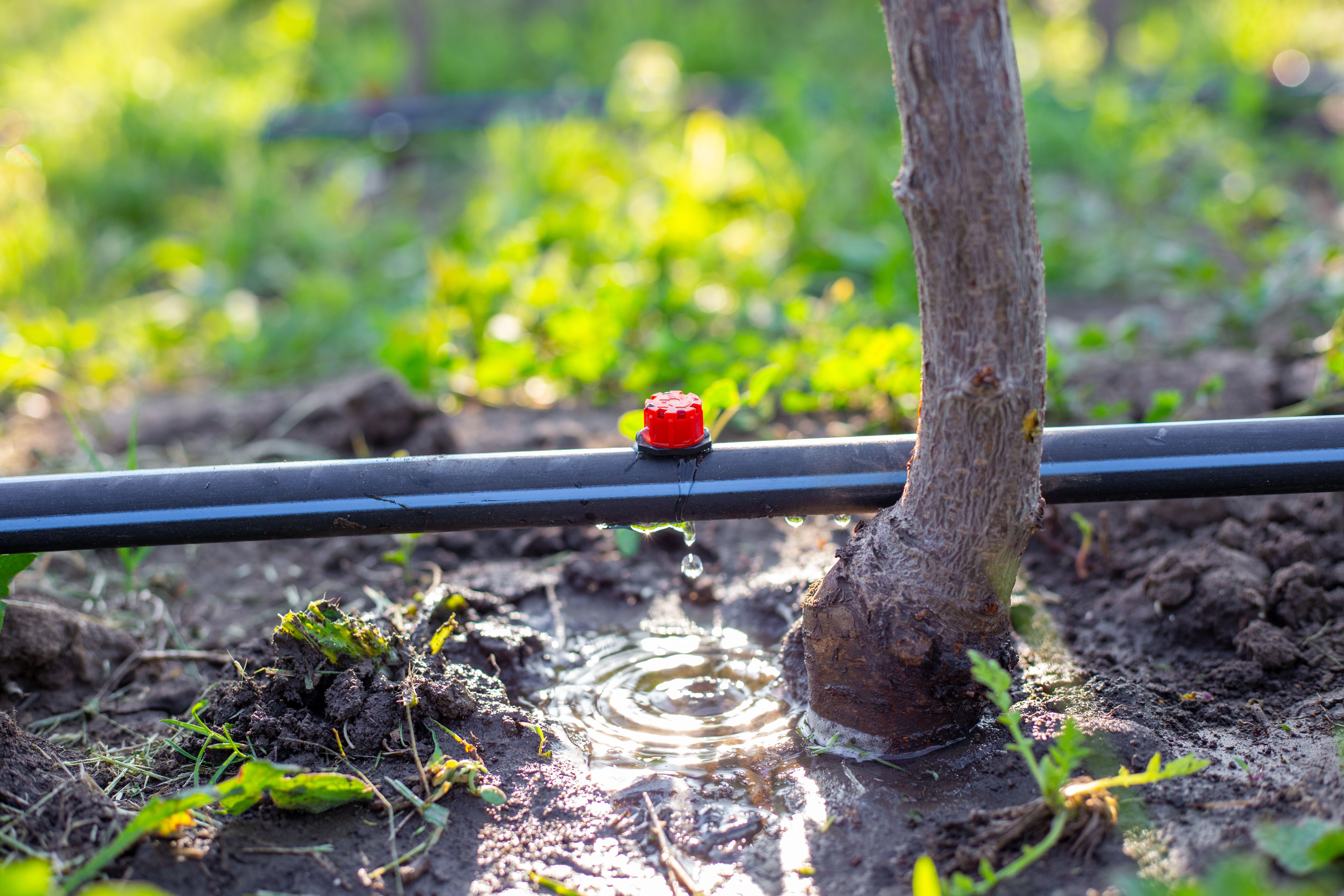
Water conservation is particularly important in Florida. Drip irrigation systems and rainwater harvesting are effective methods to reduce water usage. These practices not only conserve water but also promote healthier plant growth by delivering moisture directly to the roots.
Integrating Livestock
If your land allows, integrating livestock can enhance sustainability by providing natural fertilizers and additional income sources. Chickens, for example, can help control pests while producing eggs. Ensure that livestock management practices align with your overall sustainability goals, considering factors like pasture rotation and humane treatment.
Community and Education
Engaging with local agricultural communities can provide valuable support and insights. Joining local co-ops or agricultural groups can offer resources, shared knowledge, and potential partnerships. Continuous education through workshops and online courses will keep you updated on sustainable practices and innovations.
Conclusion
Maximizing small acreage in Florida through sustainable agriculture requires a thoughtful approach, combining knowledge, planning, and community engagement. By understanding your land, selecting the right crops, and implementing sustainable practices, you can create a productive and environmentally friendly agricultural endeavor. Embrace the journey, and enjoy the fruits of your labor.