Latest Advancements in Sustainable Agriculture: What Florida Landowners Need to Know


Introduction to Sustainable Agriculture
As the global demand for food continues to rise, the need for sustainable agricultural practices has never been more pressing. For Florida landowners, embracing these advancements not only benefits the environment but also enhances productivity and profitability. This post explores the latest developments in sustainable agriculture and how they can be applied effectively in Florida.
Climate-Smart Farming Techniques
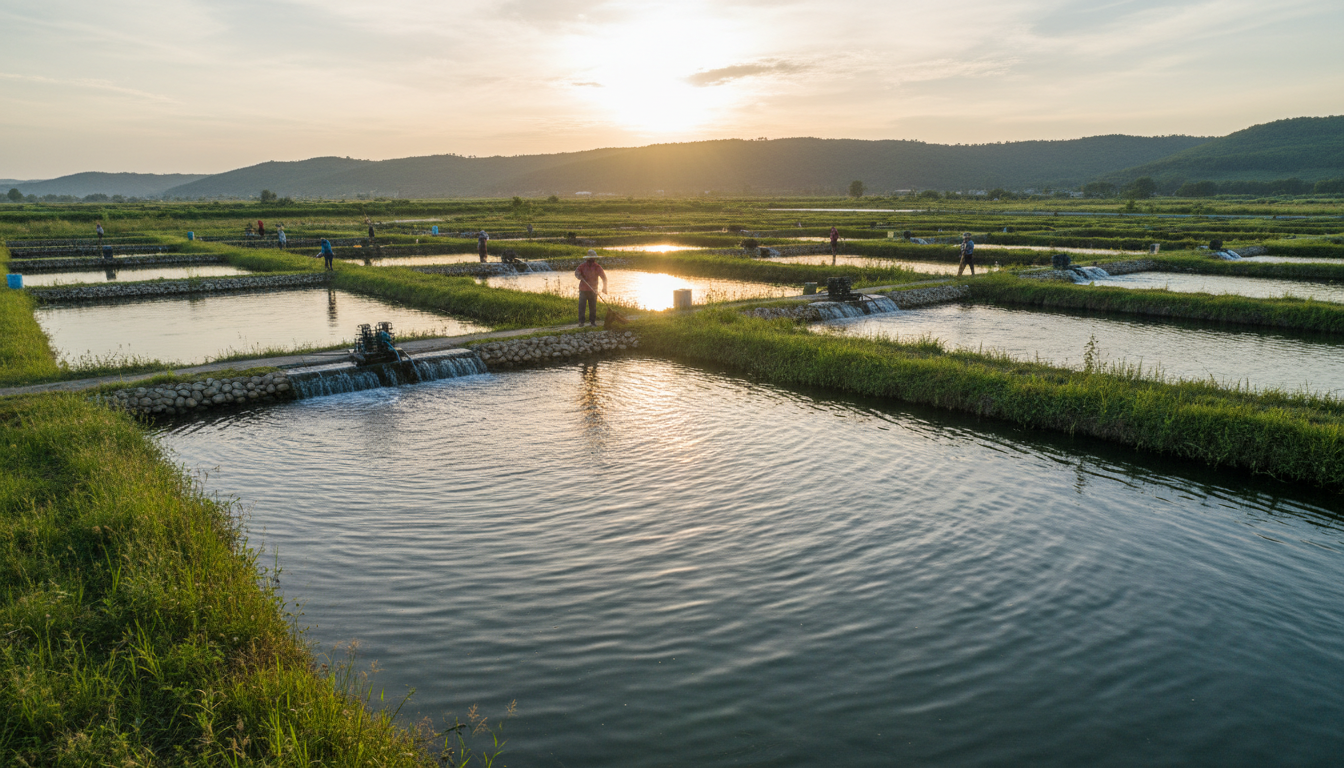
One of the most significant advancements in sustainable agriculture is the adoption of climate-smart farming techniques. These practices help mitigate the impact of climate change while optimizing crop yield. Florida's unique climate makes it an ideal location for implementing these techniques, such as precision irrigation and cover cropping.
Precision irrigation involves using technology to deliver water directly to plant roots, minimizing waste and conserving resources. Cover cropping, on the other hand, involves planting specific crops to improve soil health and reduce erosion, enhancing the land's overall resilience.
Technological Innovations
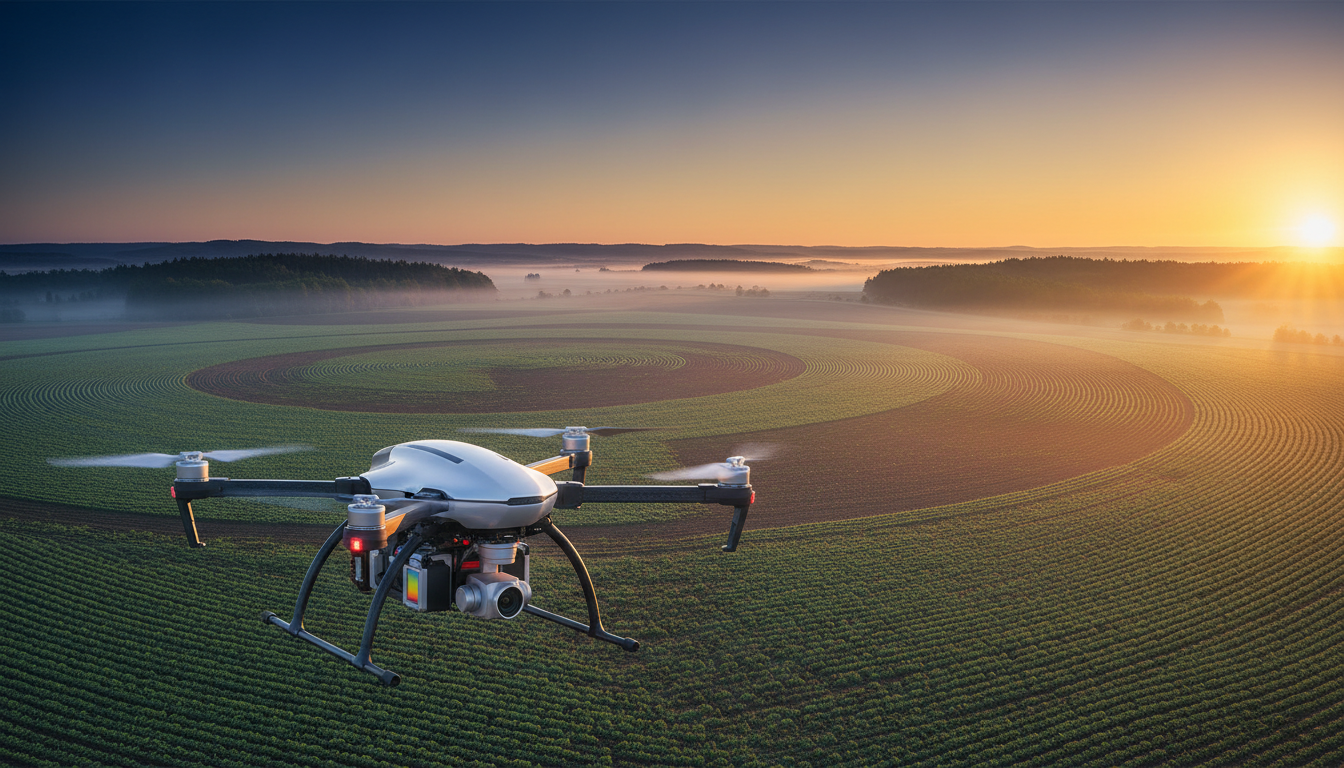
Technology plays a crucial role in advancing sustainable agriculture. From drones to advanced sensors, modern technology enables farmers to monitor crop health and soil conditions in real-time. These innovations lead to more informed decision-making and efficient resource management.
Organic Farming Practices
Organic farming has gained significant traction as a sustainable approach. By eliminating synthetic fertilizers and pesticides, organic farming reduces environmental impact and promotes biodiversity. Florida landowners can capitalize on this trend by incorporating organic methods into their practices, potentially opening up new markets.
Furthermore, organic farming often results in healthier soil, which can lead to more robust crop yields over time. This method not only benefits the environment but also aligns with consumer preferences for organic products.
Agroforestry and Biodiversity
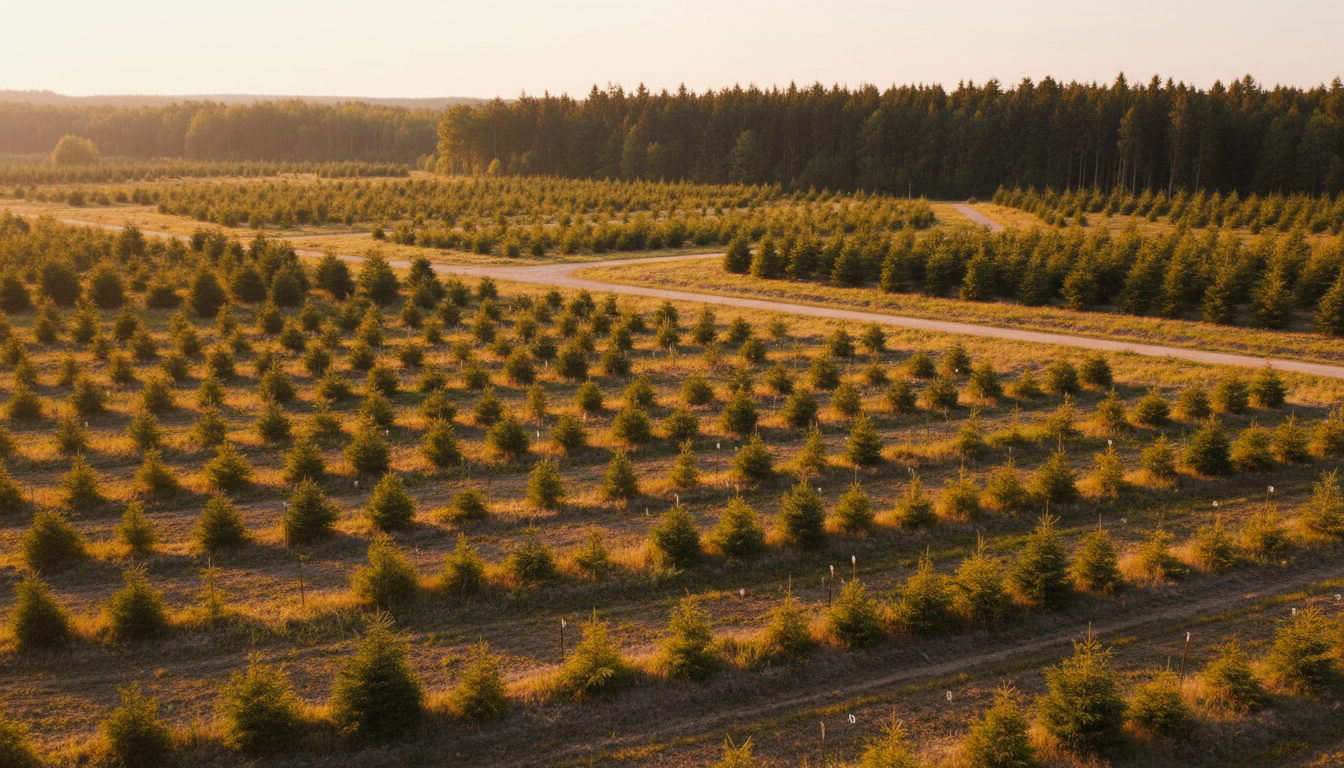
Agroforestry combines agriculture and forestry to create more diverse and productive landscapes. This practice enhances biodiversity, improves soil quality, and provides additional income streams for farmers through products like timber and nuts. Florida's climate is particularly suited for integrating agroforestry systems.
Water Conservation Strategies
Water conservation is a critical component of sustainable agriculture, especially in regions like Florida where water resources can be limited. Implementing strategies such as rainwater harvesting and efficient irrigation systems can significantly reduce water usage.
By focusing on water conservation, Florida landowners can ensure the long-term viability of their agricultural operations while also protecting local ecosystems.
Conclusion
Embracing sustainable agricultural practices is essential for Florida landowners looking to future-proof their operations. By incorporating climate-smart techniques, technological innovations, organic methods, and water conservation strategies, landowners can improve their productivity and contribute positively to the environment. As sustainability continues to shape the future of agriculture, staying informed and proactive will be key to success.