Improving Soil Health: Sustainable Farming Practices for Ocala Landowners


Understanding Soil Health
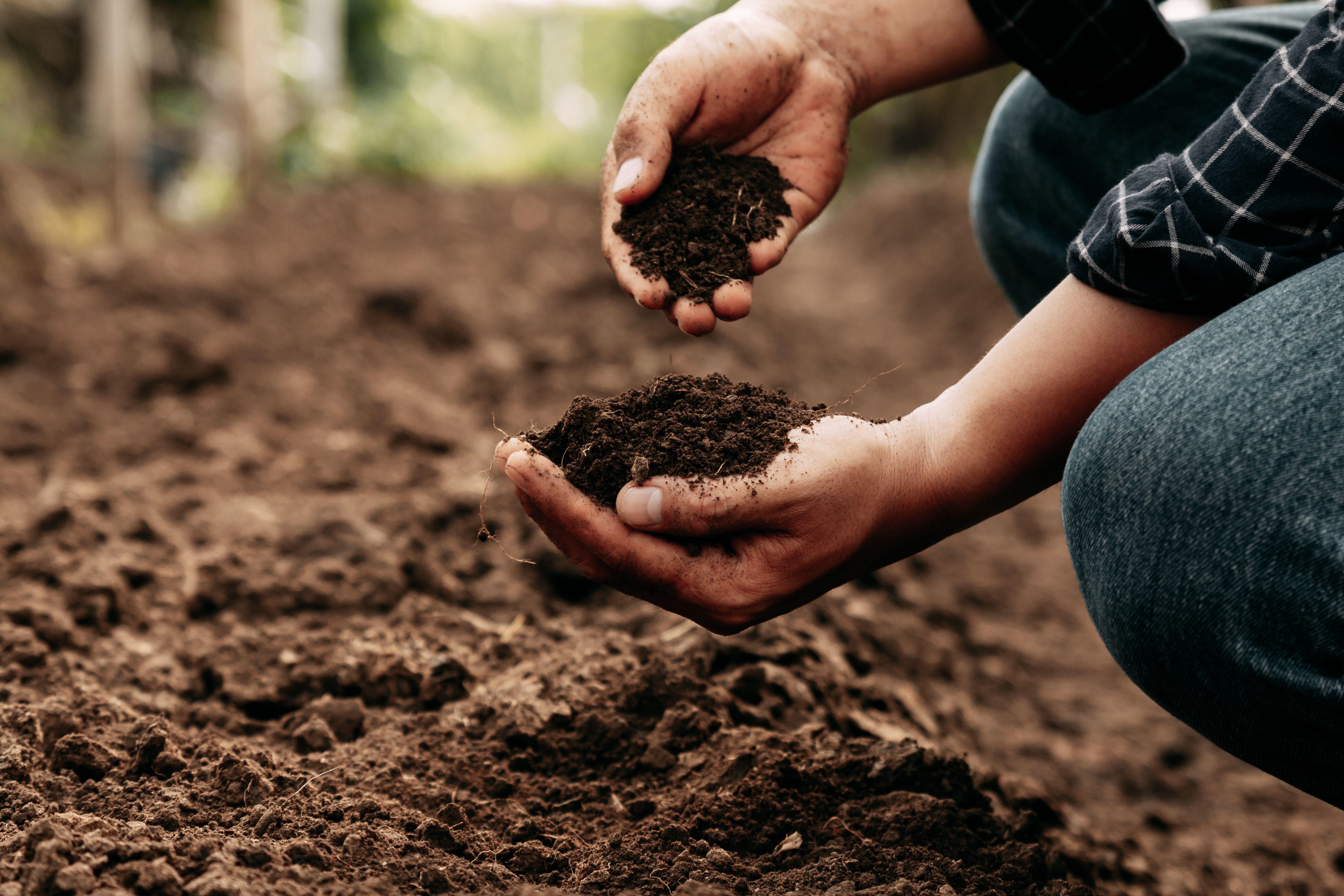
Soil health is the foundation of sustainable farming. For Ocala landowners, improving soil quality ensures long-term agricultural productivity and environmental balance. Healthy soil is rich in organic matter, has a robust structure, and supports diverse microbial life. These factors contribute to better water retention, nutrient availability, and plant growth.
Implementing Crop Rotation
One effective strategy for enhancing soil health is crop rotation. This practice involves alternating different types of crops in the same area across seasons. Crop rotation helps prevent pest build-up, reduces disease incidence, and improves soil fertility. By planting legumes, such as beans or peas, you can naturally enrich the soil with nitrogen.
Benefits of Crop Rotation
- Increases soil nutrient levels
- Reduces reliance on chemical fertilizers
- Minimizes soil erosion
Utilizing Cover Crops
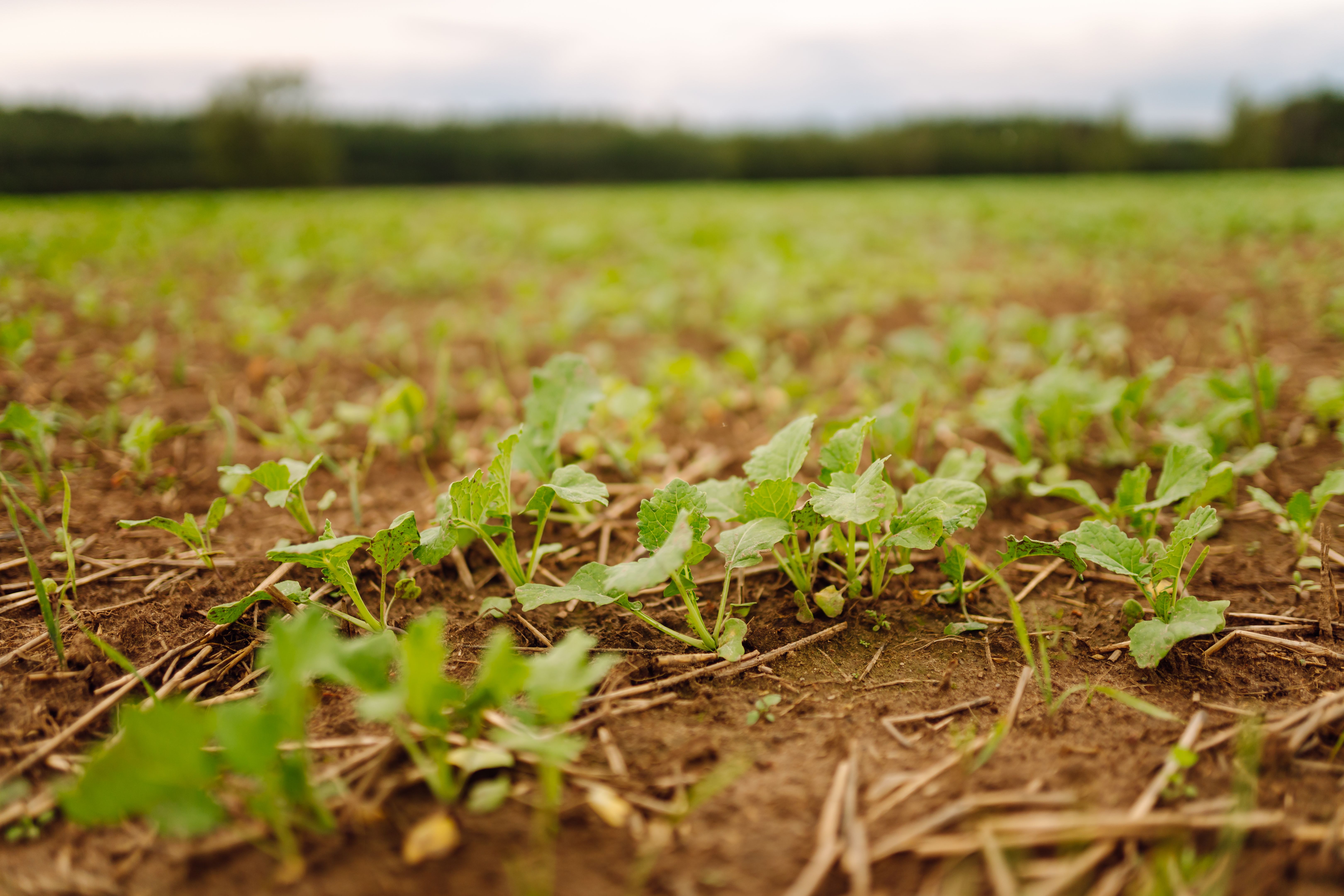
Cover crops, like clover or rye, are planted during off-seasons when main crops are not grown. They play a crucial role in soil conservation by preventing erosion, suppressing weeds, and enhancing soil structure. Cover crops also improve biodiversity and attract beneficial insects.
Implementing No-Till Farming
No-till farming is another sustainable practice that reduces soil disturbance. By avoiding traditional plowing, landowners can maintain soil structure, reduce erosion, and conserve water. This approach also helps retain carbon in the soil, contributing to climate change mitigation.
Incorporating Organic Matter
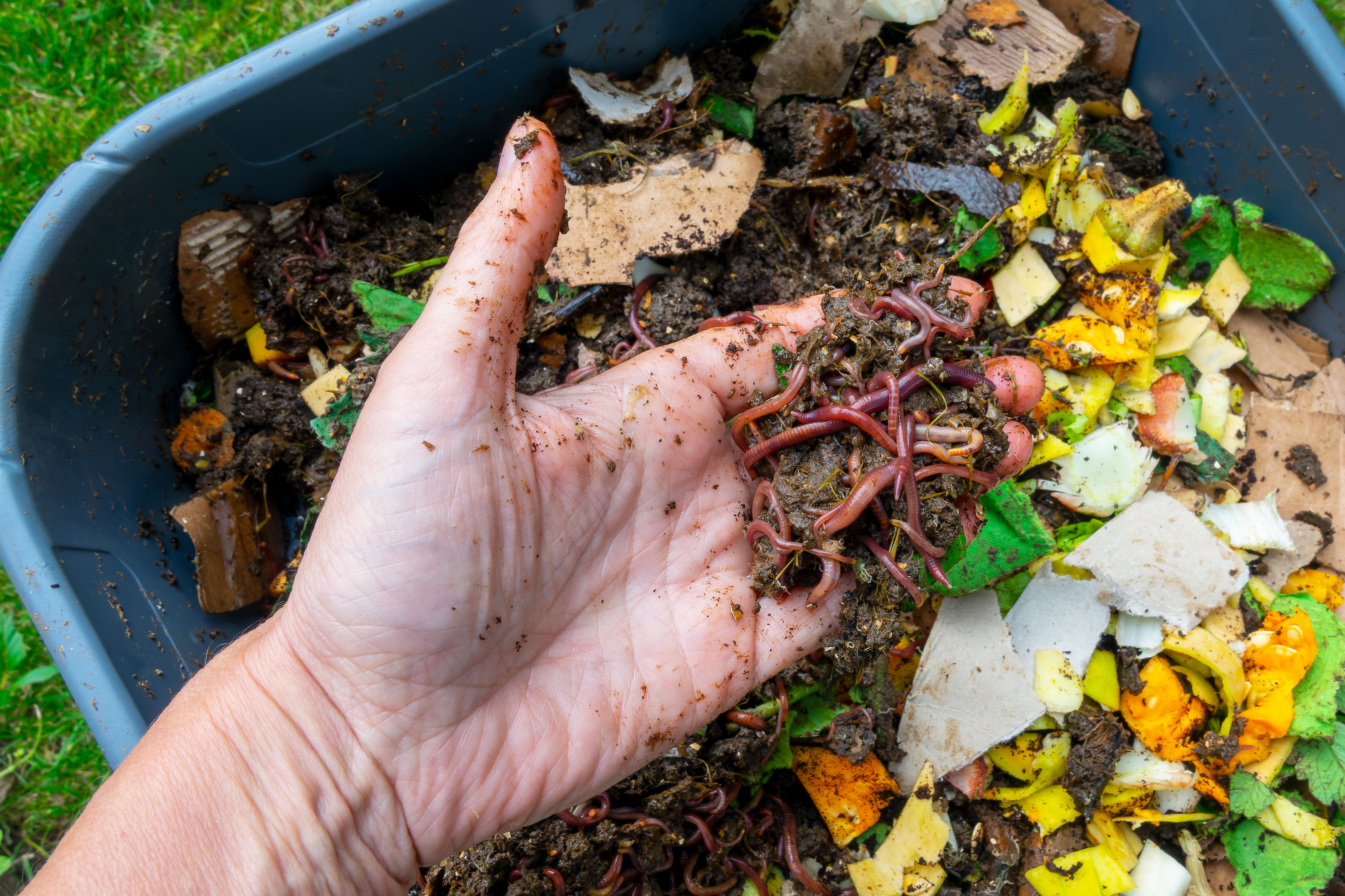
Adding organic matter, such as compost or manure, is vital for maintaining soil health. Organic amendments improve soil fertility and support beneficial microbial activity. Regularly incorporating compost can increase the soil's ability to retain moisture and nutrients, which is especially beneficial in Florida's sandy soils.
Monitoring Soil Health
Regular soil testing is essential for understanding the specific needs of your land. By analyzing soil pH, nutrient levels, and microbial activity, Ocala landowners can make informed decisions about amendments and crop selection. This proactive approach ensures that soil health improvements are targeted and effective.
Embracing Sustainable Practices
Improving soil health through sustainable farming practices benefits both the environment and the economy. By adopting methods like crop rotation, cover cropping, and no-till farming, Ocala landowners can ensure a productive and sustainable future for their farms. Sustainable agriculture not only enhances soil quality but also supports the broader ecosystem.