How to Start a Homestead in Florida: A Beginner's Guide

Understanding the Basics of Homesteading in Florida
Starting a homestead in Florida can be an exciting and rewarding endeavor. With its warm climate, diverse ecosystems, and fertile soil, Florida offers unique opportunities for those looking to live sustainably. Whether you're interested in growing your own food, raising animals, or simply reducing your carbon footprint, homesteading can be a fulfilling lifestyle choice.
Choosing the Right Location
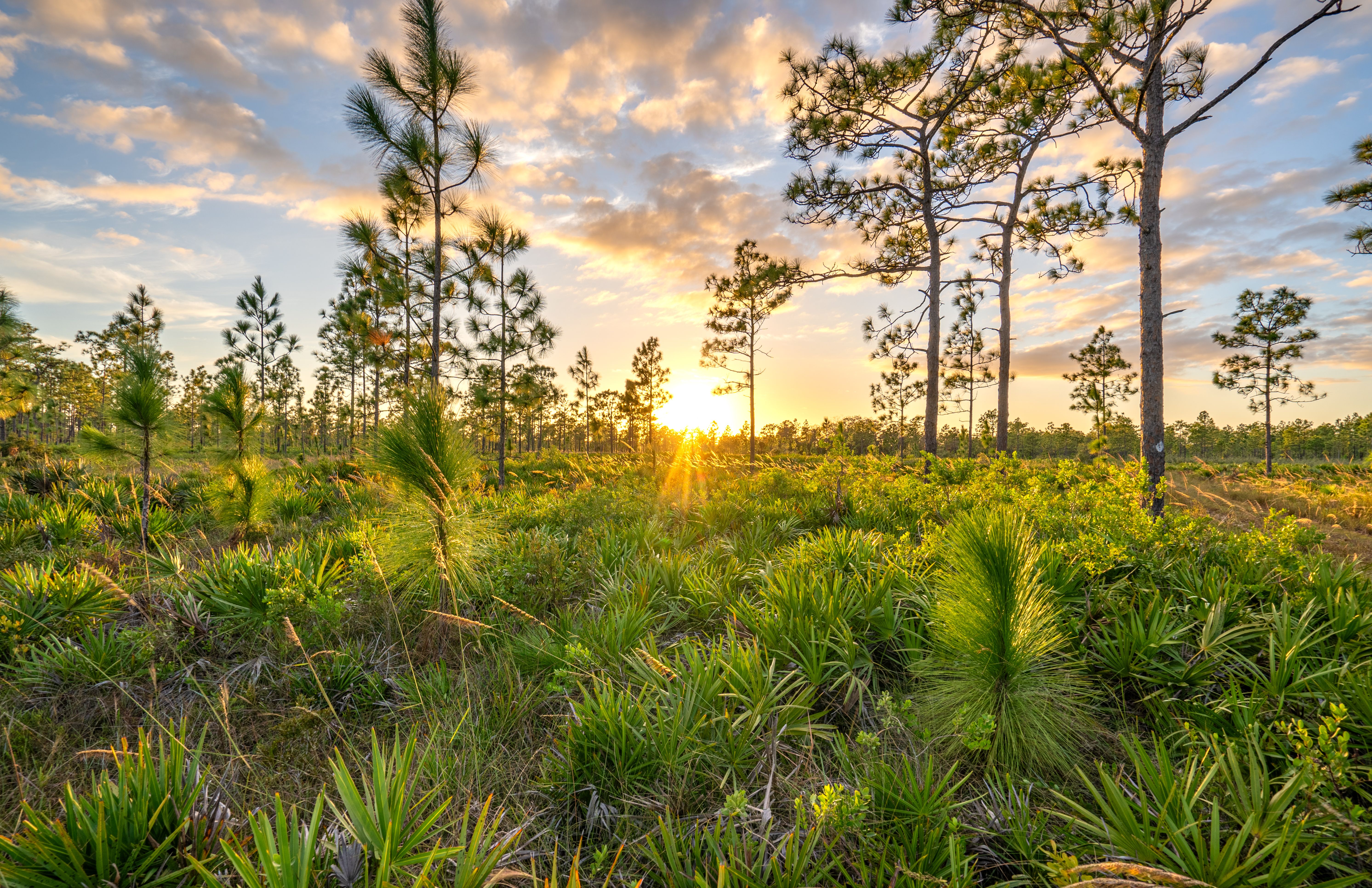
When considering a homestead in Florida, location is key. You'll want to select an area that aligns with your homesteading goals. Consider factors such as proximity to water sources, soil quality, and local zoning laws. Coastal areas might offer better soil for certain crops, while inland regions can provide more space for livestock.
Legal Considerations
Before you start building your homestead, it's important to understand the legal requirements. Florida has specific regulations regarding land use, water rights, and agricultural practices. Check with local authorities to ensure you comply with all zoning laws and obtain any necessary permits. Being informed will save you headaches and potential fines down the road.
Planning Your Homestead
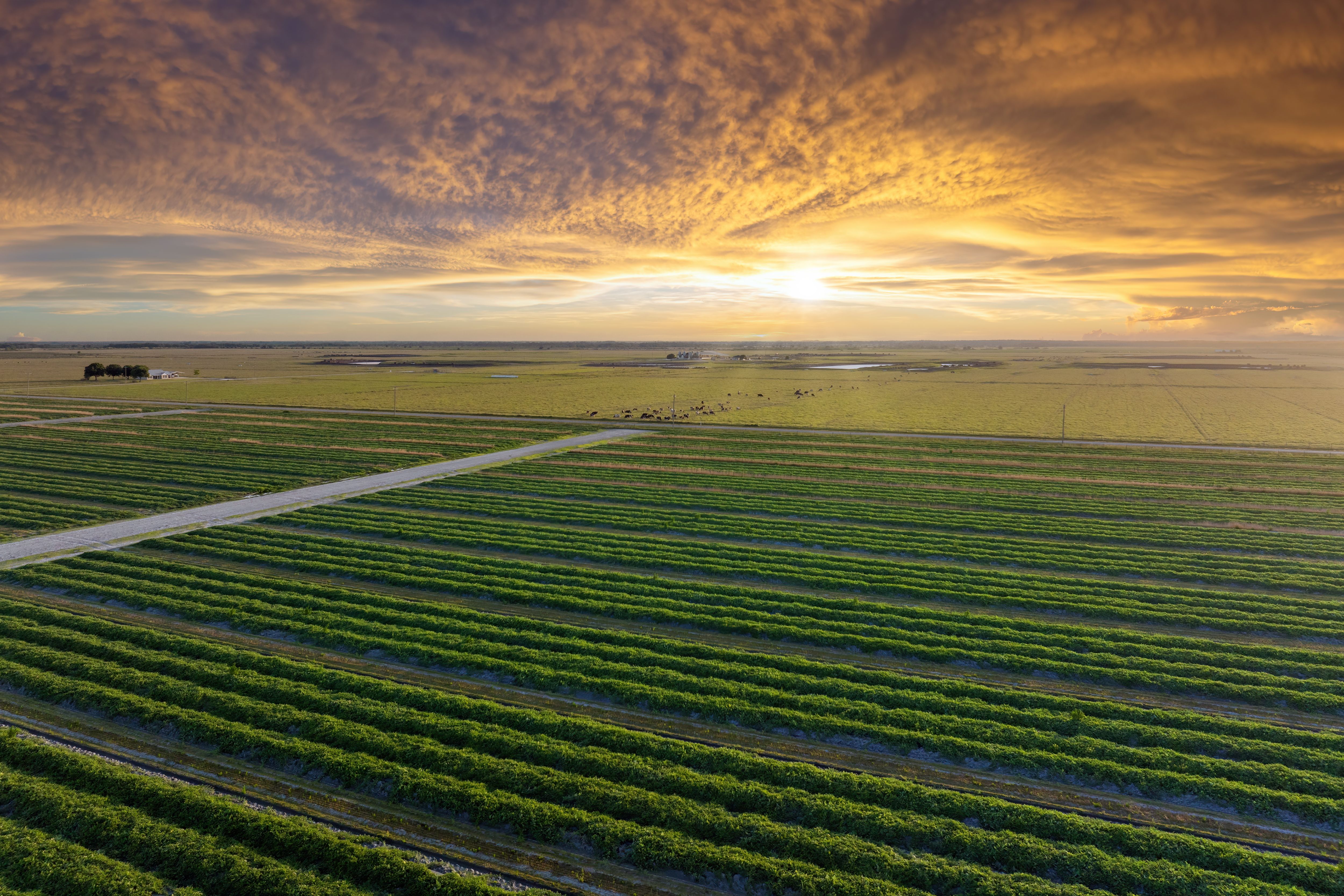
Once you've chosen your location and understand the legal landscape, it's time to plan your homestead. Start by setting clear, achievable goals. Do you want to focus on vegetable gardening, or are you more interested in raising chickens or goats? Prioritize your interests and resources to create a feasible plan.
Designing Your Space
Design is a critical aspect of homesteading success. Map out your property to utilize space efficiently. Consider where to place gardens, animal enclosures, and any structures you might need, such as a greenhouse or barn. Thoughtful design can maximize productivity and minimize labor.
Building Your Homestead
With a plan in place, you can begin building your homestead. Start small to manage your resources effectively. Focus on essential projects first, such as setting up water systems and planting initial crops. As you become more comfortable, gradually expand your operations. Remember, **patience and persistence** are key.
Maintaining and Growing Your Homestead
Once your homestead is established, maintaining it becomes an ongoing task. Regularly monitor your crops and livestock for health and productivity. Implement sustainable practices like composting and rainwater harvesting to reduce waste and conserve resources.
Community and Support
Building a homestead doesn't mean you have to go it alone. Connect with local homesteading groups and online communities to share experiences and gain insights. These networks can provide valuable support and knowledge as you navigate the challenges of homesteading.
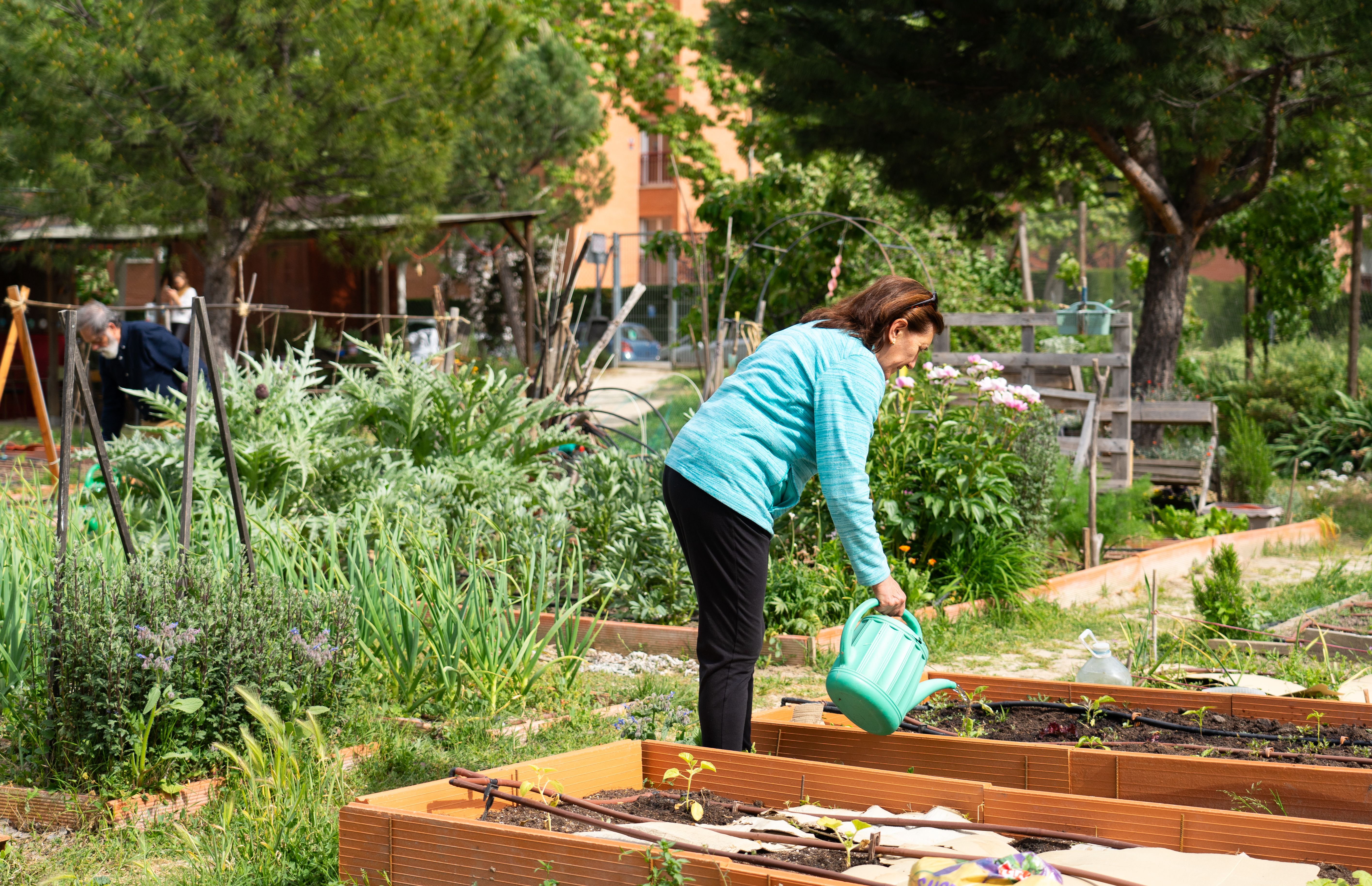
Starting a homestead in Florida is a rewarding journey that offers the opportunity to live more sustainably and independently. By understanding the basics, planning carefully, and embracing community support, you can successfully create a thriving homestead.