How to Maintain Your Farm During Florida's Hot Summer Months


Understanding Florida's Summer Climate
Florida's summer months are notorious for their intense heat and humidity. With temperatures often soaring above 90°F, maintaining your farm under these conditions can be challenging. Understanding the climate is crucial to developing strategies that will keep your crops and livestock healthy. The combination of high temperatures and frequent thunderstorms requires a thoughtful approach to farm management.
Water Management
Water is a critical resource during Florida's hot summers. Ensuring an efficient irrigation system is in place can make a significant difference. Consider utilizing drip irrigation systems, which conserve water while delivering moisture directly to plant roots. It's also important to regularly check equipment for leaks or blockages to prevent water waste.
Additionally, collecting rainwater through barrels can supplement your water needs. This not only helps conserve water but also reduces dependency on municipal water sources, which can be limited during drought conditions.
Soil Health and Fertility
Soil health plays a vital role in maintaining a productive farm. During the summer, soil can easily become dry and compacted, affecting plant growth. Mulching is a beneficial practice that helps retain soil moisture and regulate soil temperature. Organic mulches like straw or grass clippings can also enrich the soil as they decompose.
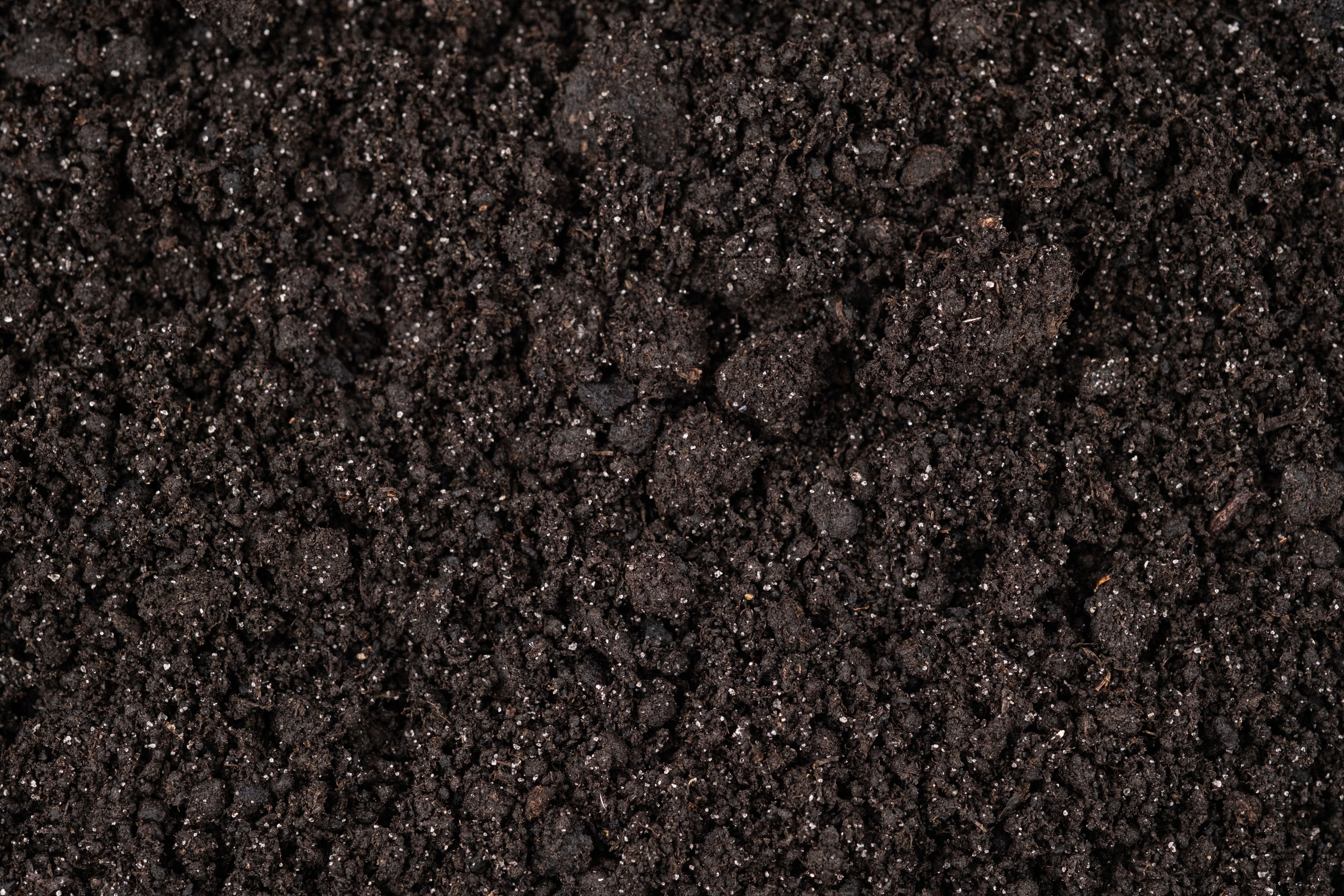
Regular soil testing can help monitor nutrient levels and maintain fertility. Applying the right fertilizers at the correct times ensures that crops receive the necessary nutrients to thrive, even in the harshest conditions.
Protecting Livestock from Heat Stress
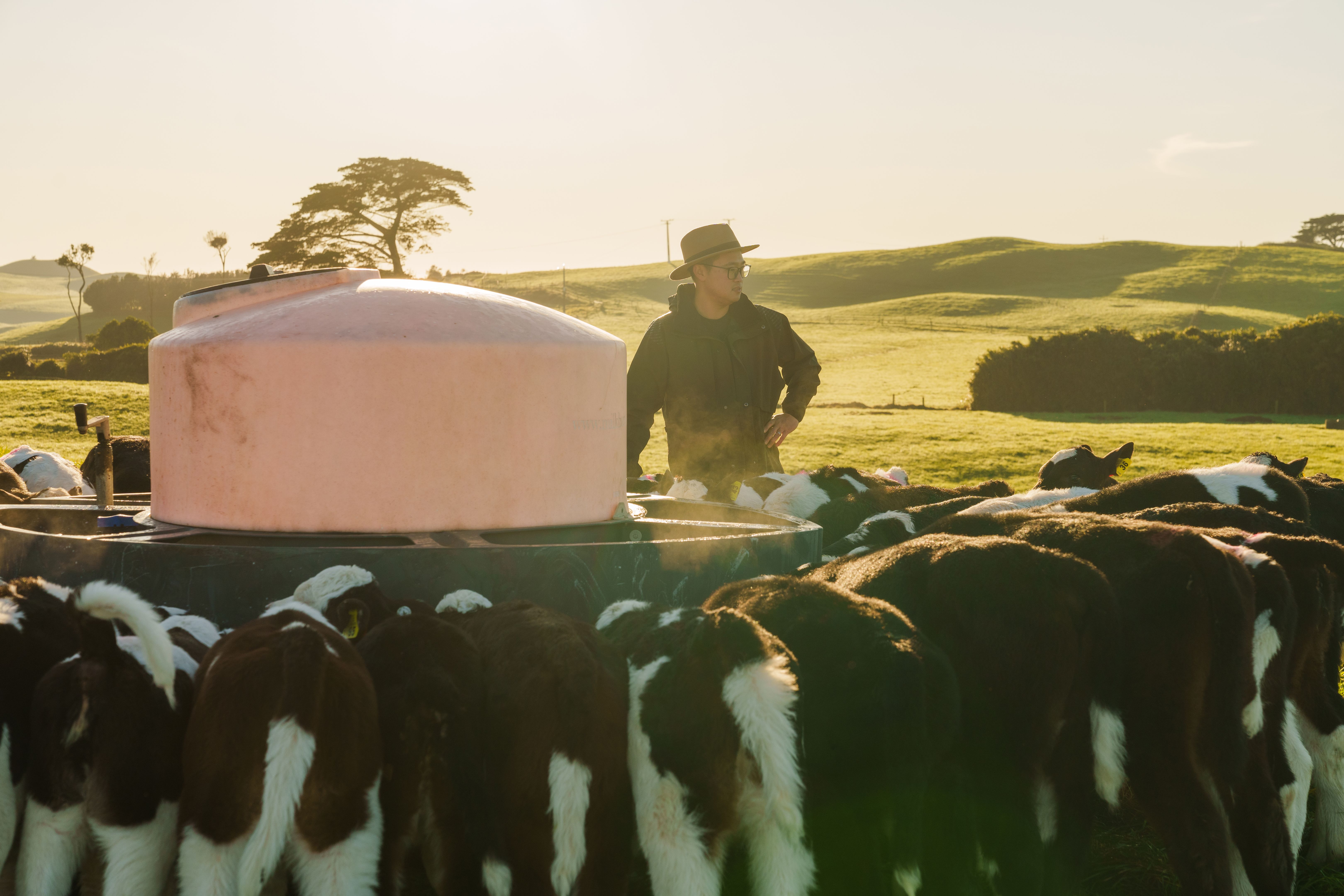
Livestock are particularly susceptible to heat stress during the summer months. Providing adequate shade and ventilation is essential to keep animals comfortable. Structures like barns should be well-ventilated, and fans or misting systems can help lower the temperature.
Ensuring a constant supply of clean, cool water is also vital. Consider scheduling activities during the cooler parts of the day, such as early morning or late afternoon, to reduce stress on animals.
Pest and Disease Control
The warm, humid conditions of Florida summers create an ideal environment for pests and diseases. Regular monitoring and early intervention are key to managing these threats. Using integrated pest management (IPM) techniques can reduce reliance on chemical pesticides, promoting a healthier farm ecosystem.
Planting pest-resistant crop varieties and maintaining good field hygiene, such as removing debris and weeds, can also help minimize pest and disease outbreaks.
Preparing for Storms and Hurricanes
Florida's summer is also marked by the hurricane season, which requires farmers to be prepared for severe weather. Regularly inspect and secure structures, equipment, and fencing to prevent damage. Having a well-thought-out emergency plan ensures the safety of both animals and farm personnel during adverse weather conditions.
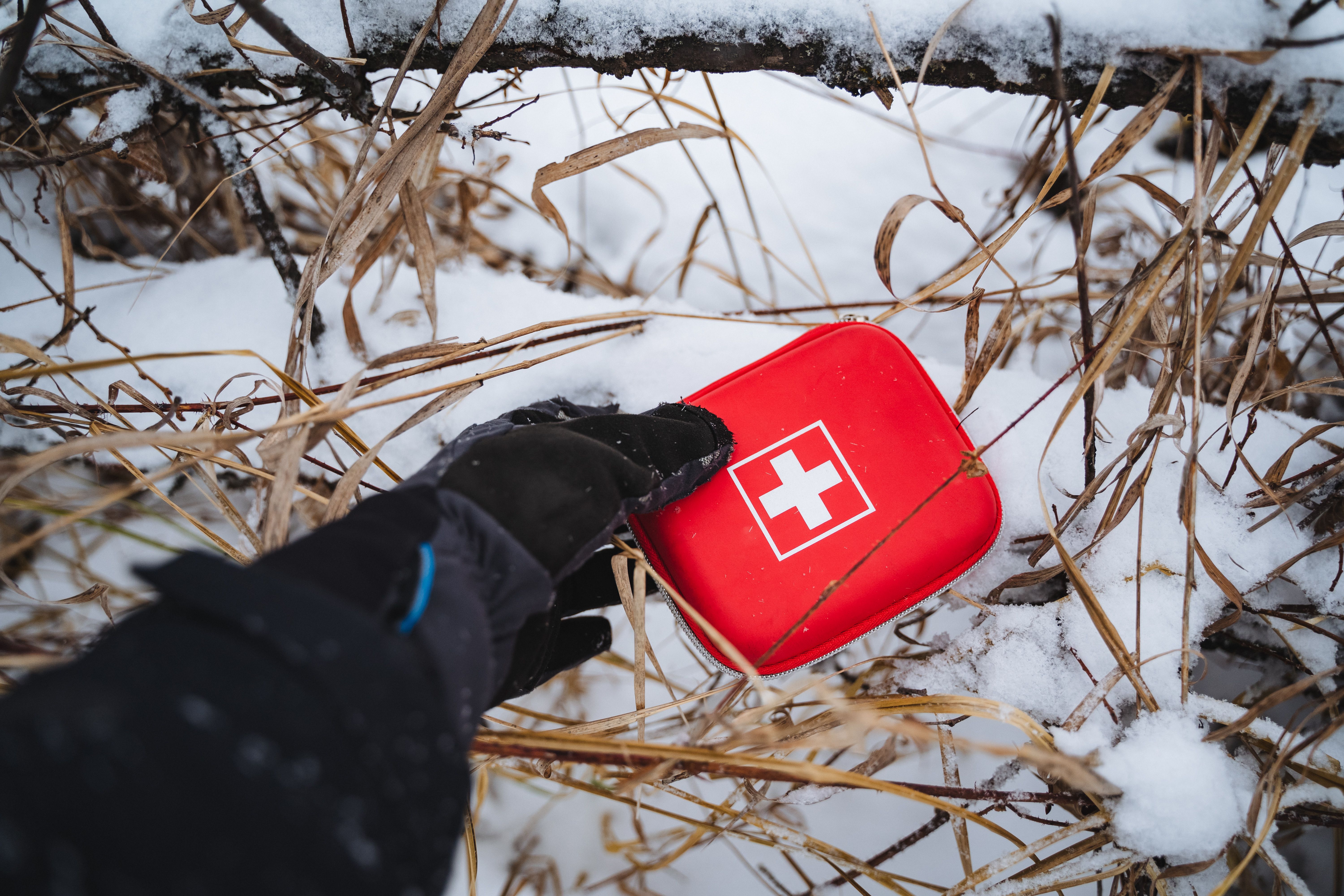
Creating an inventory of essential supplies, such as feed and veterinary medicine, can help sustain operations if supply chains are disrupted by storms.
Conclusion
Maintaining a farm during Florida's hot summer months requires careful planning and proactive management. By focusing on water conservation, soil health, livestock care, pest control, and storm preparedness, farmers can ensure their operations remain productive and resilient. With these strategies in place, you can successfully navigate the challenges of a Florida summer and keep your farm thriving all season long.