How to Choose the Right Land in Ocala for Homesteading


Understand Your Homesteading Goals
Before choosing land in Ocala for homesteading, it's crucial to define your goals. Are you planning to grow your own food, raise livestock, or both? Consider your long-term vision, as this will guide your decision-making process. Understanding your homesteading goals will help you prioritize what features are most important in a property.
Think about the size of the land you will need. Small-scale gardening may require less space compared to raising a variety of animals. Additionally, consider whether you want to expand in the future. Having a clear vision will ensure you choose land that supports your ambitions.

Evaluate the Soil Quality
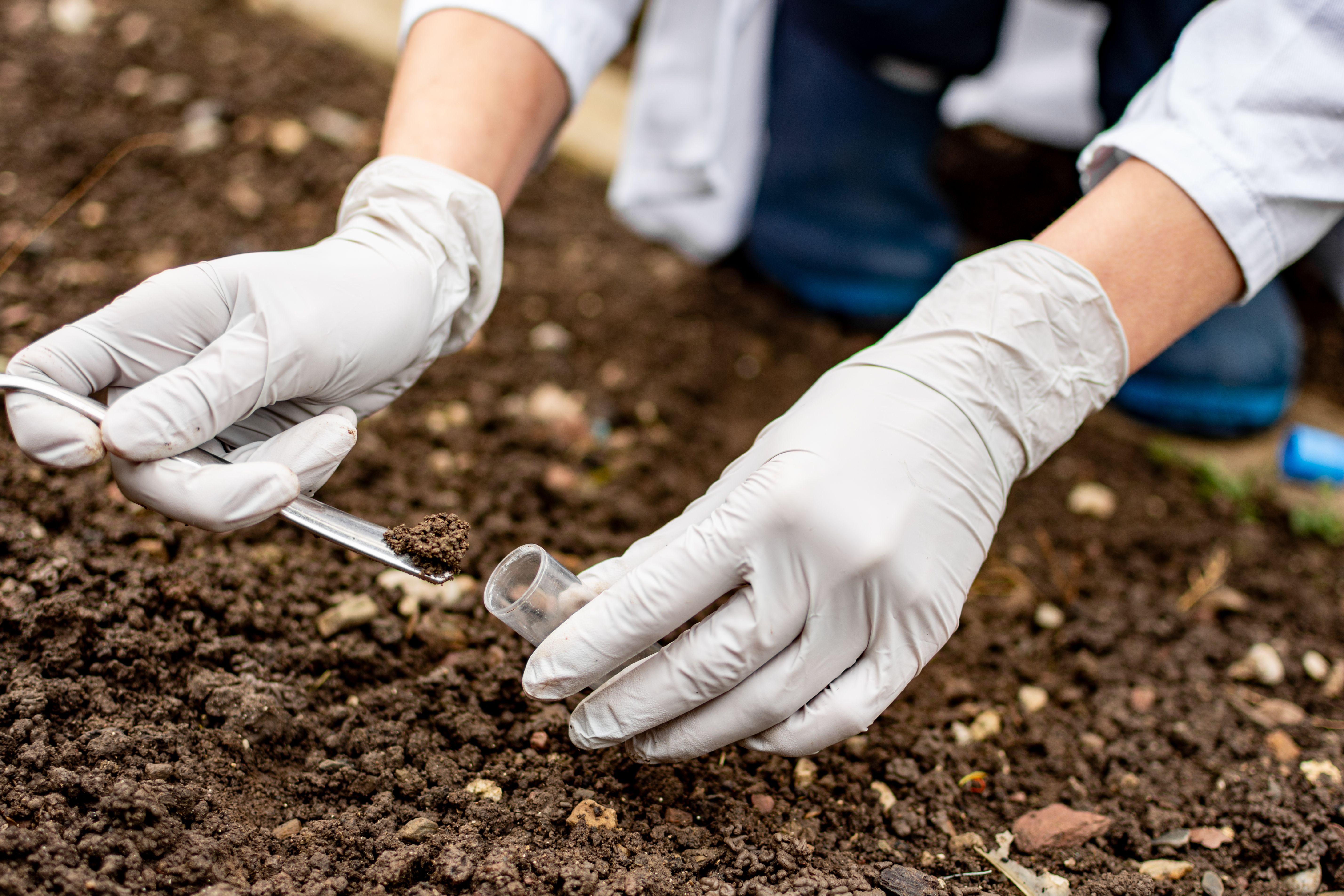
The soil quality of the land is a critical factor for successful homesteading. Ocala is known for its rich, fertile soil, but it’s essential to conduct a soil test before purchasing. Look for soil that is well-draining and has the nutrients necessary for your intended crops.
Soil testing can identify any deficiencies or contaminants that need to be addressed. Consider consulting with a local agricultural extension office for guidance on improving soil health if necessary. This will help you ensure that your land is ready for cultivation.
Consider Water Resources
Access to water is essential for any homestead. Evaluate the water resources available on the property, including wells, ponds, or streams. Ensure there is a reliable water supply for both irrigation and livestock needs.
Check local regulations regarding water usage and rights. Understanding these regulations can prevent future legal issues and help you manage your water resources effectively. Additionally, consider the potential for rainwater harvesting as a sustainable water source.

Analyze the Climate and Weather Patterns
Ocala's climate is generally favorable for homesteading, but it’s essential to understand local weather patterns. Research average temperatures, rainfall, and the risk of extreme weather events like hurricanes. This information will help you plan your planting schedules and prepare for any necessary weatherproofing.
Consider the microclimates on the property, as these can affect growing conditions. Areas with different sun, shade, or wind exposure can impact what you plant and where you place structures.
Inspect Property Access and Infrastructure
Easy access to your property is vital for transporting goods, equipment, and supplies. Check the condition of roads leading to the land and any existing infrastructure, such as barns or fencing. Well-maintained roads and structures can save you time and resources in the long run.
Evaluate the proximity to local markets, feed stores, and other essential services. Being close to necessary resources can significantly ease the logistics of running a homestead.

Understand Zoning and Legal Considerations
Before purchasing land, investigate any zoning laws or legal restrictions. These regulations can dictate how you use your land and what you can build. Ensure that your homesteading plans comply with local laws to avoid complications.
Consult with a local real estate expert or legal advisor to understand any potential restrictions. This step will help you make informed decisions and protect your investment.
Choosing the right land in Ocala for homesteading involves careful consideration of various factors. By understanding your goals, evaluating soil and water resources, and considering climate and legal requirements, you can find the perfect property to start your homesteading journey.