From Dreams to Reality: A Beginner's Guide to Starting a Homestead on Less Than an Acre


Understanding the Basics of Homesteading
Starting a homestead on less than an acre might seem challenging, but with some creativity and planning, it's entirely possible. Homesteading is all about self-sufficiency and making the most of the resources available to you. Whether you want to grow your own food or raise a few chickens, a small plot can be transformed into a thriving homestead.
Before you begin, understand the fundamentals of homesteading. This includes knowing your land, climate, and what you want to achieve. Start by assessing your space and soil quality. You’ll also want to consider your water sources and any zoning laws that might affect your plans.

Planning Your Homestead Layout
Efficiently using space is critical when working with less than an acre. Start by sketching a layout for your homestead. Decide where to place gardens, animal pens, and any structures like a greenhouse or shed. Consider vertical gardening techniques to maximize space.
Companion planting is another useful strategy. By growing plants that benefit each other together, you can increase yields and reduce pests. For example, planting basil near tomatoes can enhance growth and flavor.

Growing Your Own Food
Even with limited space, you can grow a surprising amount of food. Focus on high-yield crops such as tomatoes, peppers, and leafy greens. Consider using raised beds or container gardens to improve soil drainage and accessibility.
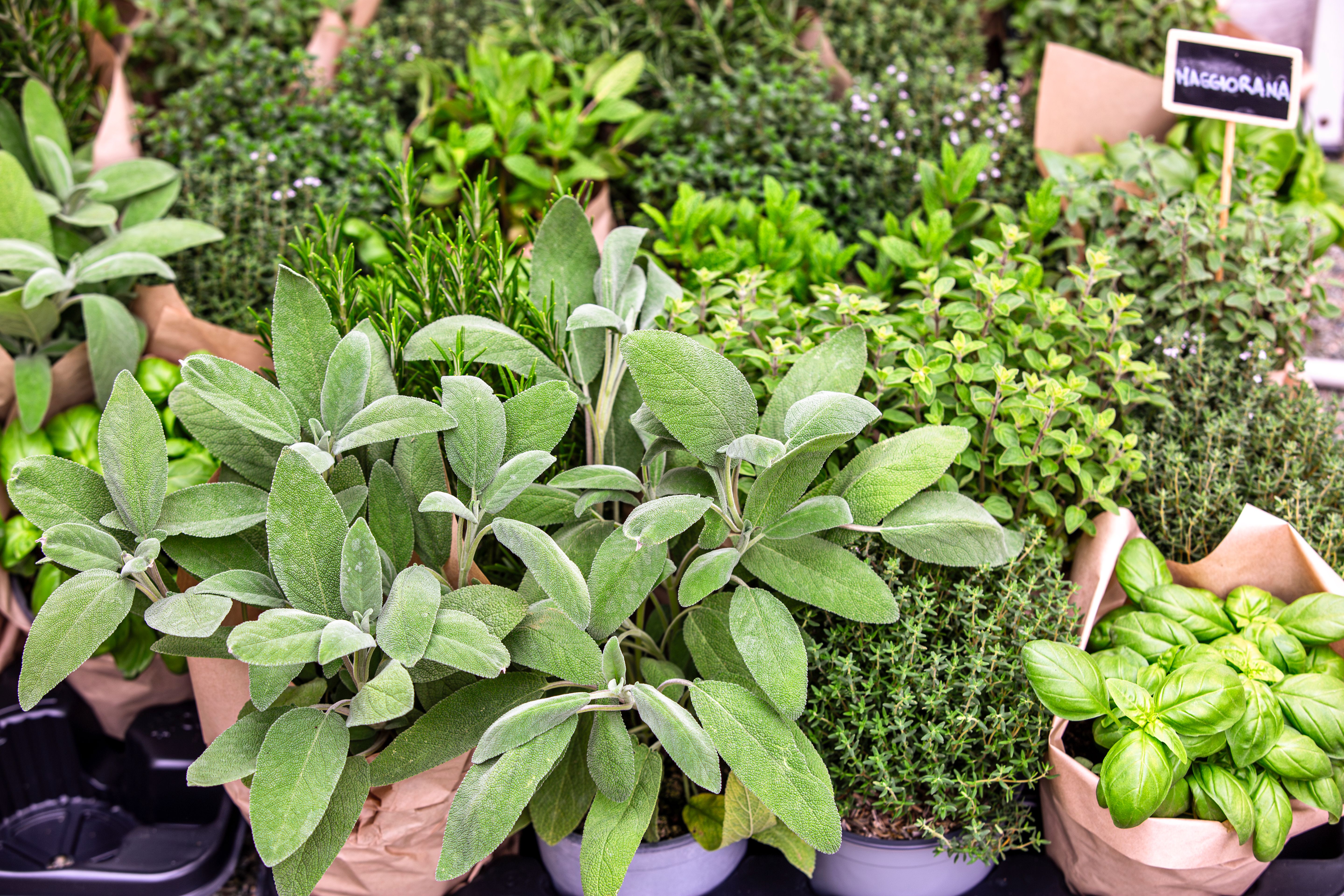
Herbs are another great option for small spaces. They can be grown in pots and require minimal care. Not only do they provide fresh flavors for your meals, but they also attract beneficial insects to your garden.
Raising Small Livestock
If you're interested in raising animals, start small. Chickens are a popular choice for beginners. They require limited space and provide a steady supply of fresh eggs. Ensure you check local regulations regarding livestock before setting up a coop.
Rabbits are another option for small homesteads. They require little space and can be a source of meat and fertilizer. Proper care and housing are essential to keep your animals healthy and productive.
Utilizing Sustainable Practices
Sustainability is at the heart of homesteading. Implementing eco-friendly practices not only benefits the environment but also reduces costs. Composting kitchen scraps and yard waste can enrich your soil without the need for chemical fertilizers.
Rainwater harvesting is another sustainable practice to consider. Collecting rainwater can help reduce your reliance on municipal water supplies and provide a natural source for your garden and animals.
Building Community Connections
Homesteading doesn't have to be a solitary endeavor. Connecting with local homesteaders can provide valuable support and knowledge. Attend workshops, join online forums, or participate in local farmers' markets to share experiences and learn from others.
Community connections can also lead to bartering opportunities, where you trade surplus produce or other goods with neighbors. This not only fosters a sense of community but also helps you make the most of your resources.
Starting a homestead on less than an acre is a rewarding journey that transforms dreams into reality. With careful planning and sustainable practices, you can create a bountiful and fulfilling homestead, no matter the size of your land.