Florida's Best Practices for Equestrian Layout Design


Introduction to Equestrian Layout Design
Designing an equestrian facility in Florida requires a thoughtful approach to maximize both functionality and aesthetics. The unique climate and terrain of Florida present specific challenges and opportunities for equestrian enthusiasts. This guide explores the best practices for creating efficient, safe, and beautiful equestrian layouts.
Understanding Florida's Climate
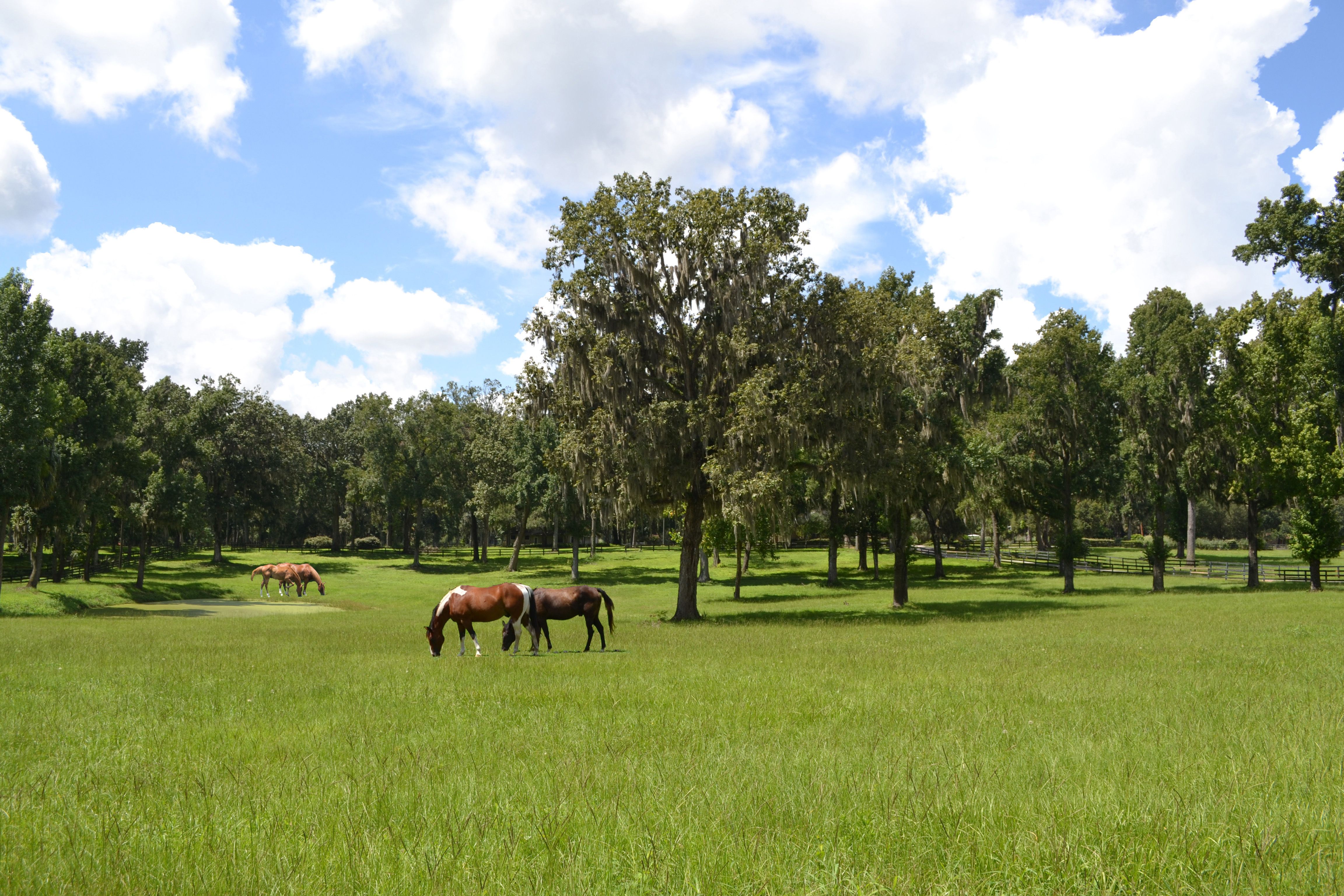
Florida's humid subtropical climate significantly influences equestrian layout design. Proper ventilation and shade are crucial to providing comfort for both horses and riders. To combat the heat, barns should be oriented to catch prevailing winds, and materials that reflect heat should be used. Consider adding trees or covered walkways to offer additional shade.
Drainage is another vital factor. Florida's frequent rain showers necessitate well-planned drainage systems to prevent flooding and mud, ensuring the safety and cleanliness of the facility.
Designing Functional Spaces
When designing an equestrian layout, it's essential to consider the flow of movement. Barns, arenas, and pastures should be strategically placed to minimize travel time and maximize efficiency. Consider the daily routines of your staff and horses when planning the layout.
Incorporate wide aisles and spacious stalls to ensure comfort and safety. Additionally, think about the location of tack rooms, wash areas, and feed storage. These should be easily accessible yet secure from potential weather damage.
Incorporating Safety Measures
Safety is paramount in equestrian design. Use non-slip flooring and install secure fencing to prevent accidents. Lighting is another critical aspect; ensure that all areas are well-lit to avoid any mishaps during evening hours.
Emergency access is also important. Designate clear pathways for emergency vehicles and ensure that all staff are familiar with the facility's emergency protocols.
Creating Aesthetic Appeal
While functionality is crucial, aesthetics should not be overlooked. A well-designed facility can enhance the experience for riders and visitors. Use native plants to create beautiful landscapes that thrive in Florida’s climate.
Architectural elements, such as archways or decorative fences, can add a touch of elegance. Consider the overall theme and style of your facility to create a cohesive and inviting atmosphere.
Implementing Sustainable Practices
Incorporating sustainable practices into your equestrian layout design is not only environmentally responsible but can also reduce long-term operational costs. Use solar panels for energy, and consider water conservation methods such as rainwater harvesting systems.
Opt for eco-friendly materials that are durable and require minimal maintenance. This approach not only benefits the environment but also enhances the longevity and appeal of your equestrian facility.
Conclusion
Designing an equestrian facility in Florida requires a balance of functionality, safety, and aesthetics. By considering the unique climate, implementing efficient layouts, prioritizing safety, enhancing visual appeal, and embracing sustainable practices, you can create a space that meets the needs of both horses and humans. Whether you're building from scratch or renovating an existing facility, these best practices will guide you toward success.