Florida Permaculture Principles: Building Resilience on Your Land


Permaculture is more than just a buzzword; it's a sustainable way to design agricultural systems that work in harmony with nature. In Florida, with its unique climate and diverse ecosystems, applying permaculture principles can create resilient landscapes that thrive despite challenges such as hurricanes, droughts, and pests.
Understanding Permaculture Principles
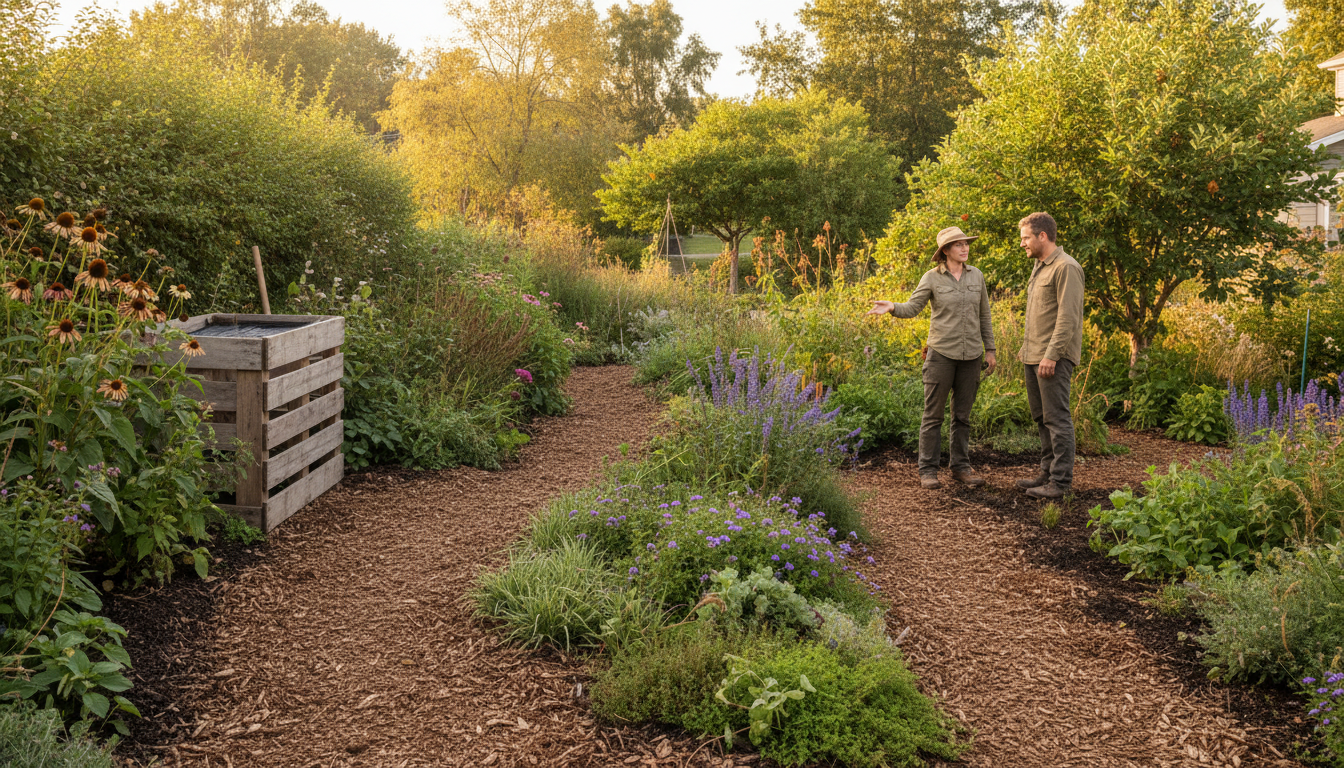
Permaculture is based on several core principles that guide the design and maintenance of sustainable ecosystems. These principles include observing and interacting with nature, capturing and storing energy, and using renewable resources. By understanding these concepts, landowners in Florida can create self-sustaining landscapes that require minimal input.
Observation is key. Spend time watching how water flows across your land, where the sun hits at different times of the year, and which plants thrive naturally. This information is crucial for making informed decisions about planting and resource management.
Building Soil Health
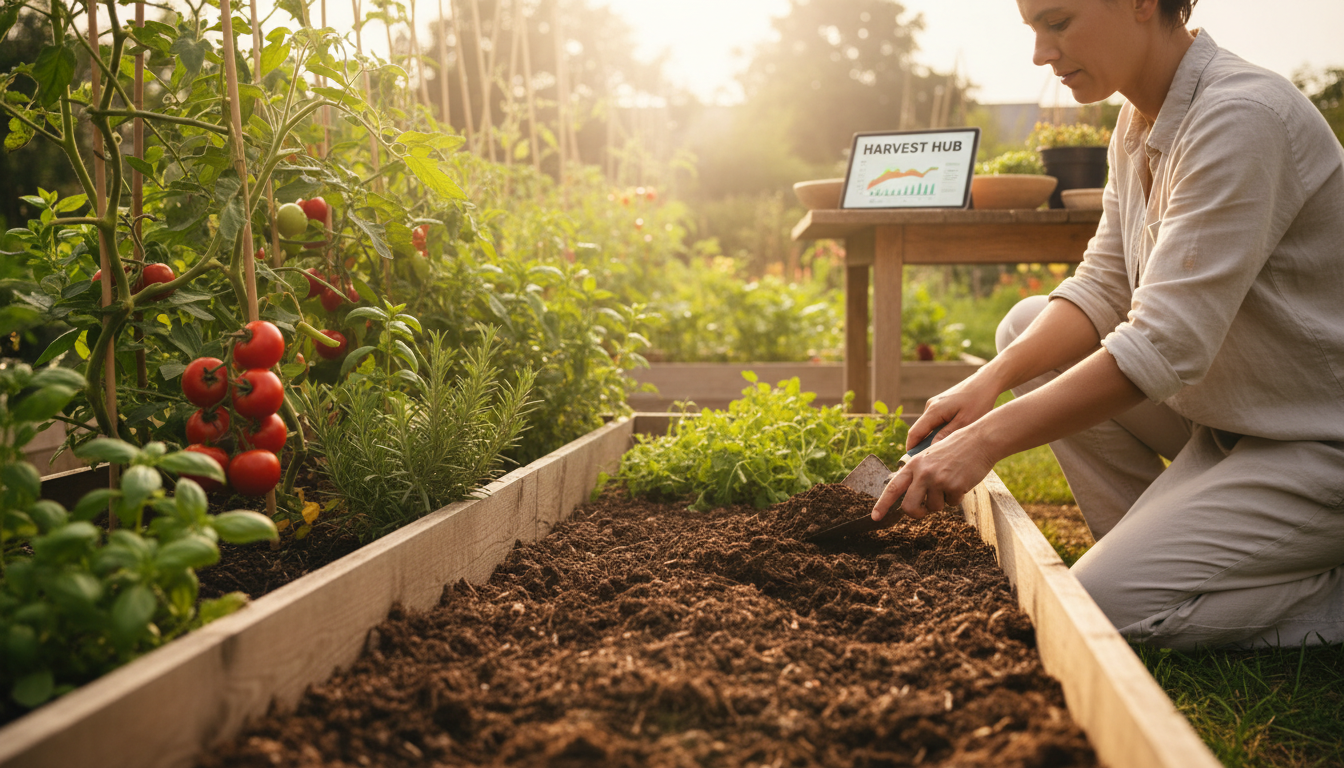
Healthy soil is the foundation of any resilient landscape. In Florida, sandy soils can be a challenge, but permaculture offers solutions. Techniques such as composting, mulching, and cover cropping can significantly enhance soil fertility and structure. Composting kitchen scraps and yard waste not only reduces landfill waste but also creates rich, organic matter to nourish your soil.
Mulching with local materials like pine needles or oak leaves helps retain moisture, suppress weeds, and add nutrients as they decompose. Cover crops, such as clover or vetch, can fix nitrogen and improve soil texture. Together, these practices create a thriving soil ecosystem.
Water Management Strategies
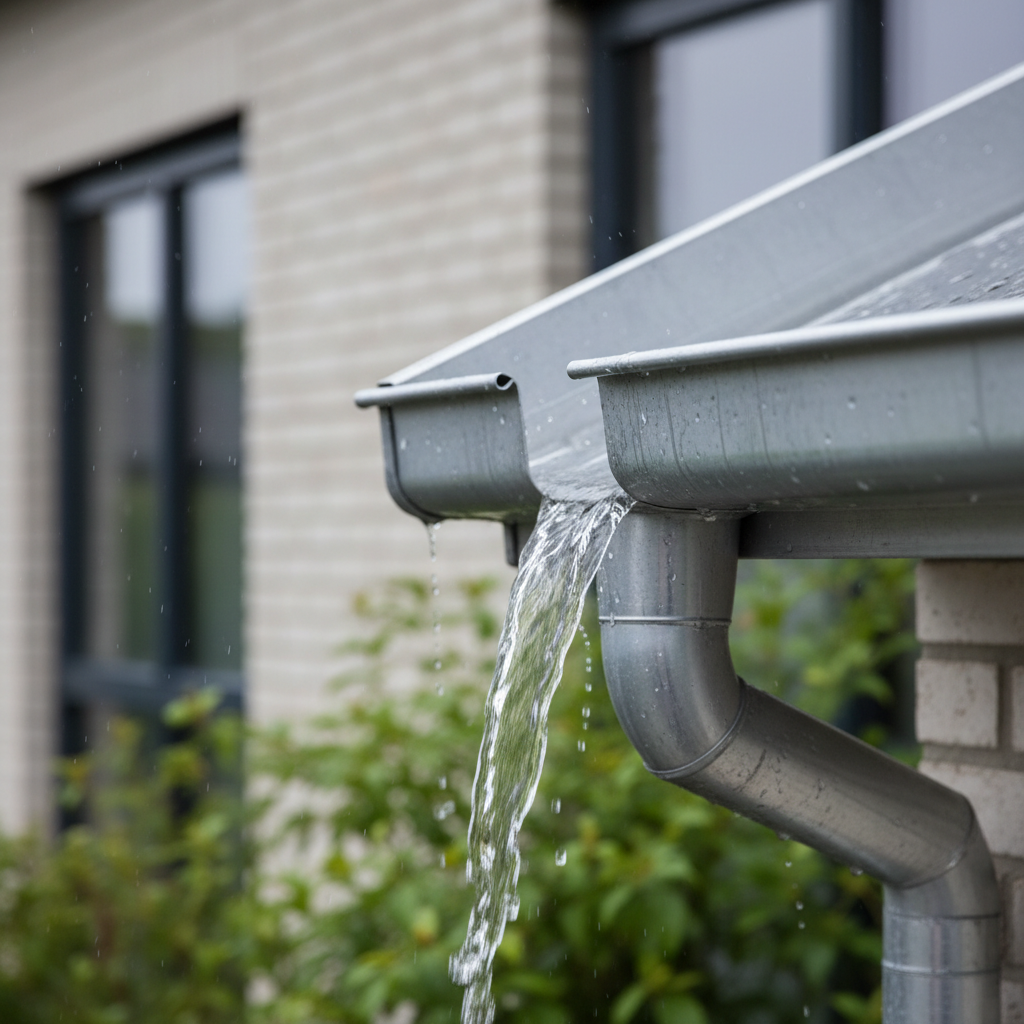
Water is a precious resource, especially in Florida's variable climate. Effective water management is essential for building resilience on your land. Permaculture designs often incorporate rainwater harvesting systems, swales, and ponds to capture and store water.
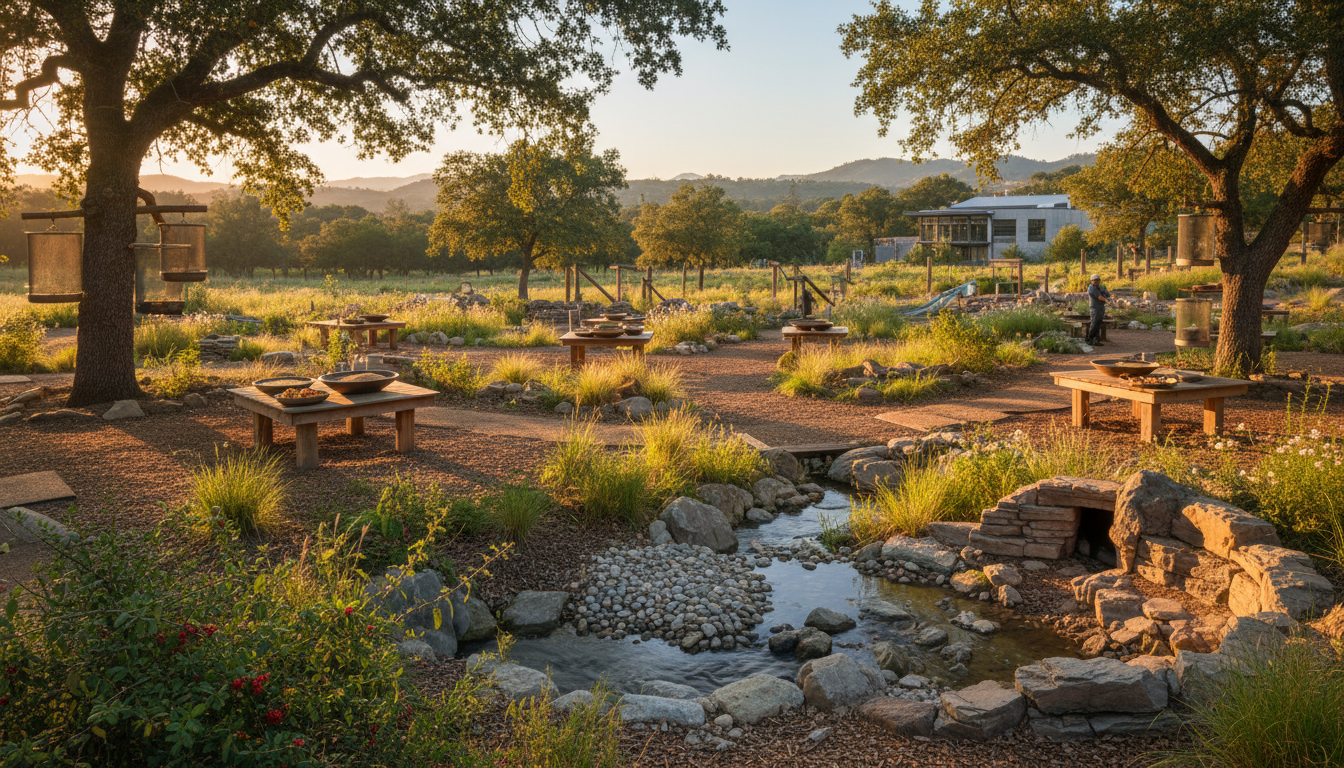
Rainwater harvesting involves collecting runoff from roofs and storing it in barrels or cisterns for later use in irrigation. Swales, or shallow ditches on contour, help slow down and spread water across the landscape, allowing it to infiltrate the soil. Ponds can serve multiple purposes, providing habitat for wildlife, storing water, and moderating microclimates.
Integrating Diverse Plant Species
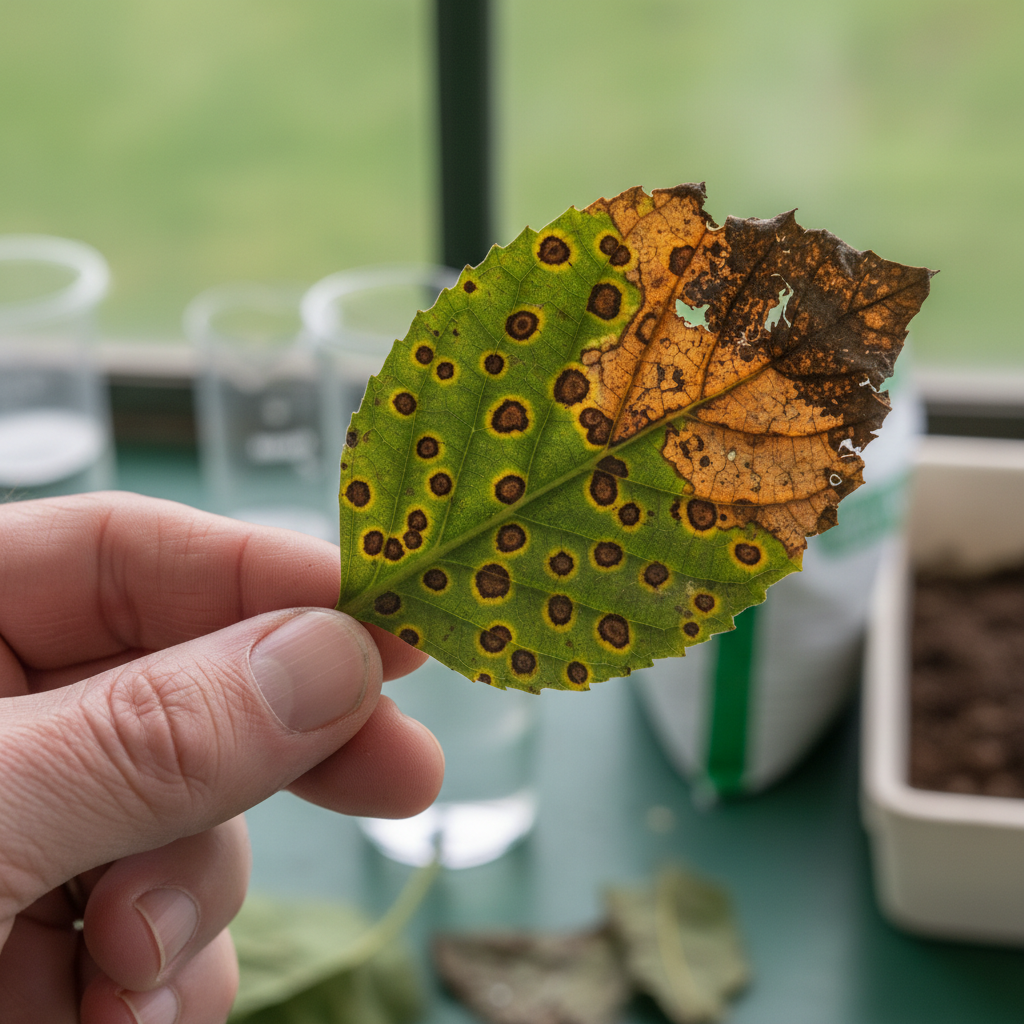
One of the key principles of permaculture is to integrate a variety of plants to create a resilient ecosystem. Diversity not only enhances the beauty of your landscape but also increases its ecological stability. In Florida, consider planting native species alongside fruit trees, vegetables, and herbs.
Native plants are adapted to the local climate and require less maintenance, making them ideal for a low-input permaculture system. Companion planting—growing different species together that benefit each other—can also enhance growth and deter pests. For example, planting marigolds near tomatoes can help repel nematodes.
Creating Wildlife Habitats
Permaculture encourages creating habitats that support local wildlife. Birds, bees, and other pollinators play a crucial role in maintaining the health of your garden. By incorporating features like birdhouses, bee hotels, and native flowering plants, you can attract beneficial creatures to your land.
Providing water sources, such as birdbaths or small ponds, along with shelter and food, helps establish a balanced ecosystem. This not only enhances biodiversity but also aids in natural pest control, reducing the need for chemical interventions.
By embracing permaculture principles, Florida landowners can build resilient landscapes that are not only productive but also harmonious with the natural environment. Through careful observation, thoughtful design, and sustainable practices, your land can thrive, providing food, beauty, and ecological benefits for years to come.