Exploring the Latest Advancements in Sustainable Agriculture


Introduction to Sustainable Agriculture
As the global population continues to rise, the demand for food increases, placing significant pressure on agricultural systems. Sustainable agriculture is crucial for meeting this demand while ensuring environmental health and economic viability. Recent advancements in this field are paving the way for more efficient and eco-friendly farming practices.
Sustainable agriculture focuses on methods that are environmentally sound, economically viable, and socially responsible. It seeks to balance the need for food production with the preservation of ecosystems and natural resources.
Precision Agriculture
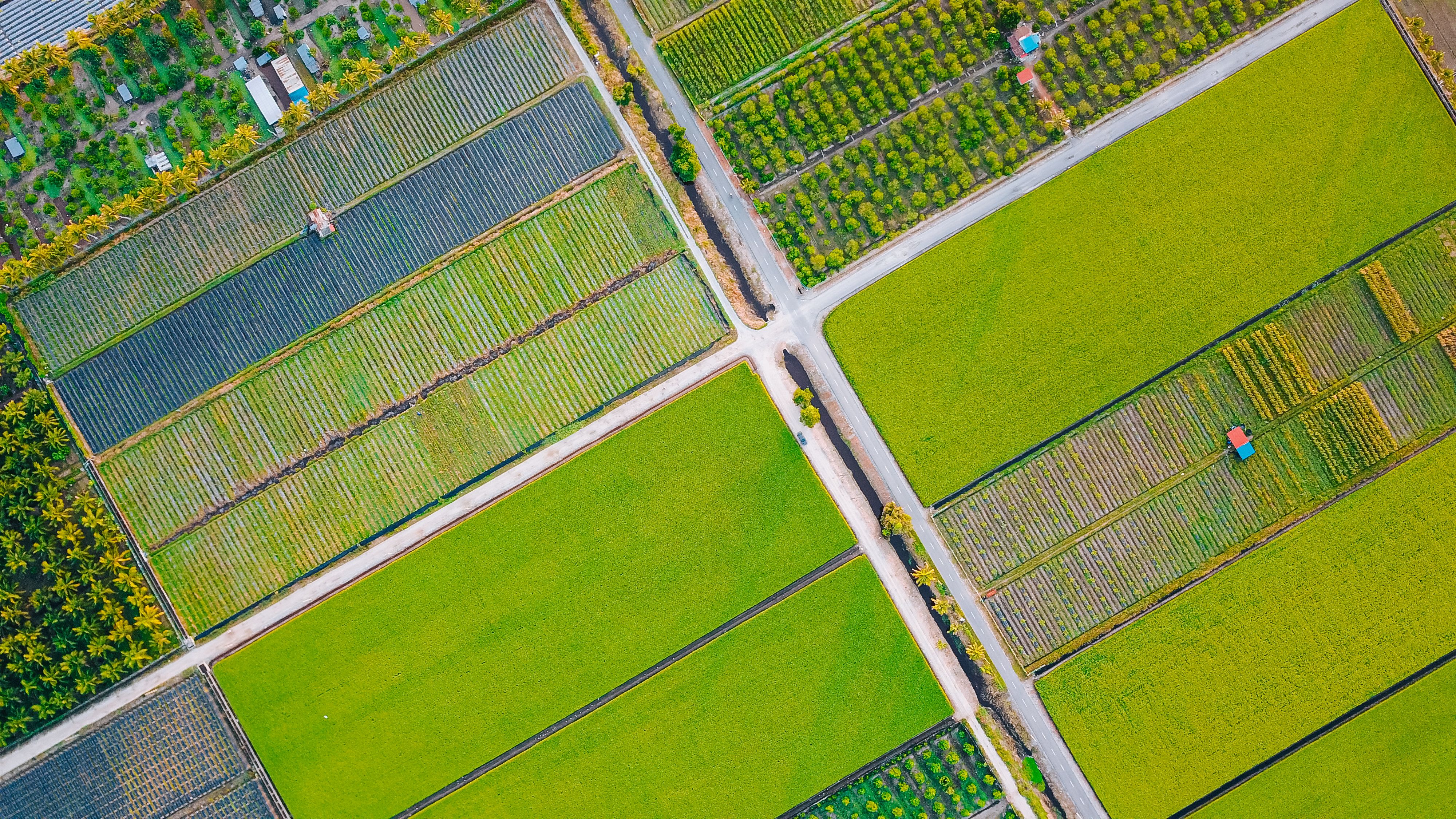
One of the most significant advancements in sustainable agriculture is precision agriculture. This approach utilizes technology to monitor and manage crop production with high accuracy. By using GPS, drones, and sensors, farmers can gather data on soil conditions, weather patterns, and crop health, allowing them to make informed decisions.
This technology helps in optimizing inputs like water, fertilizers, and pesticides, reducing waste and environmental impact. Precision agriculture not only enhances productivity but also promotes sustainability by conserving resources.
The Role of IoT in Agriculture
The Internet of Things (IoT) is revolutionizing agriculture by connecting devices and systems for better data collection and analysis. Sensors placed in fields can monitor moisture levels, temperature, and crop growth in real-time, providing farmers with actionable insights.
Biotechnology and Genetic Engineering
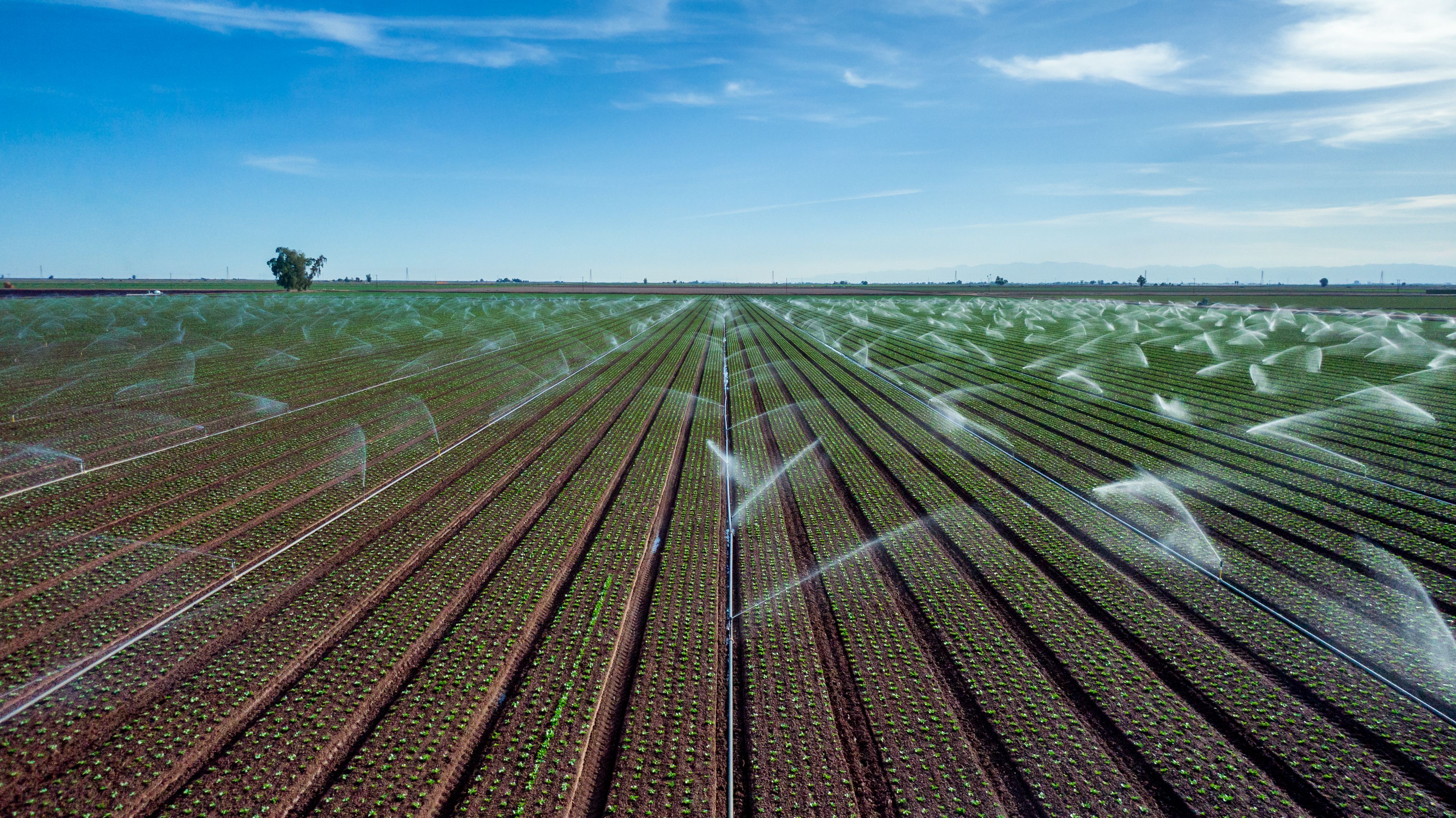
Advancements in biotechnology are playing a pivotal role in developing crops that are more resilient to environmental stressors. Through genetic engineering, scientists are creating plant varieties that can withstand extreme weather conditions, pests, and diseases.
These genetically modified crops require fewer chemical inputs and are often more productive, contributing to sustainable agricultural practices. By enhancing crop resilience, biotechnology reduces the need for land expansion, preserving natural habitats.
Organic Farming Practices
Organic farming is gaining popularity as a sustainable alternative to conventional agriculture. It emphasizes the use of natural fertilizers, crop rotation, and biological pest control, eliminating synthetic chemicals.

Agroforestry and Permaculture
Agroforestry and permaculture are innovative approaches that integrate trees and shrubs into agricultural landscapes. These practices enhance biodiversity, improve soil structure, and increase resilience against climate change.
By combining agriculture with forestry, farmers can create more sustainable systems that offer diverse products, such as fruits, nuts, and timber, alongside traditional crops. This diversification reduces economic risk and promotes ecological balance.
Community Involvement and Education
Community involvement and education are vital components of sustainable agriculture. By educating farmers and communities about sustainable practices, we can facilitate the transition towards more eco-friendly farming methods.
Workshops, training programs, and collaborative projects empower farmers to adopt new technologies and techniques, fostering a culture of sustainability within agricultural communities.