Expert Advice on Year-Round Farm Maintenance in Florida


Understanding Florida's Unique Climate
Florida's climate is distinct, with high humidity and warm temperatures for most of the year. This climate creates unique challenges and opportunities for farm maintenance. Unlike regions with harsh winters, Florida farmers must focus on year-round strategies to keep their crops and livestock healthy. Understanding the nuances of the local environment can make a significant difference in farm productivity.
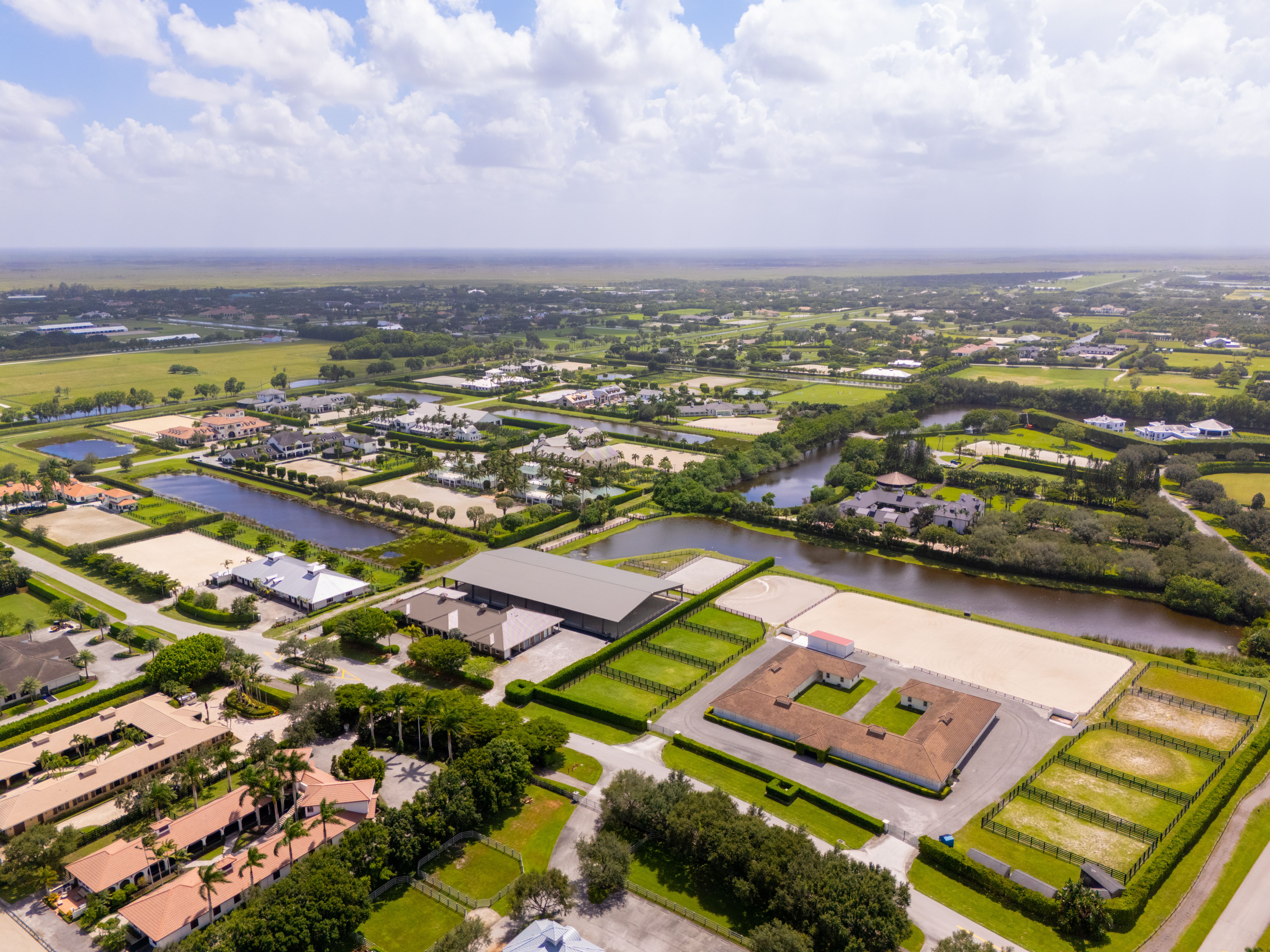
One key aspect of maintaining a Florida farm is managing the rainy season, which typically spans from May to October. Heavy rainfall can lead to waterlogged fields, so effective drainage systems are essential. Farmers should regularly inspect and maintain their drainage systems to prevent crop damage and soil erosion.
Soil Management Techniques
Soil quality is a critical factor in successful farming. In Florida, sandy soils are prevalent, which can pose challenges in retaining nutrients and moisture. Implementing soil management techniques such as cover cropping and organic amendments can help improve soil structure and fertility.
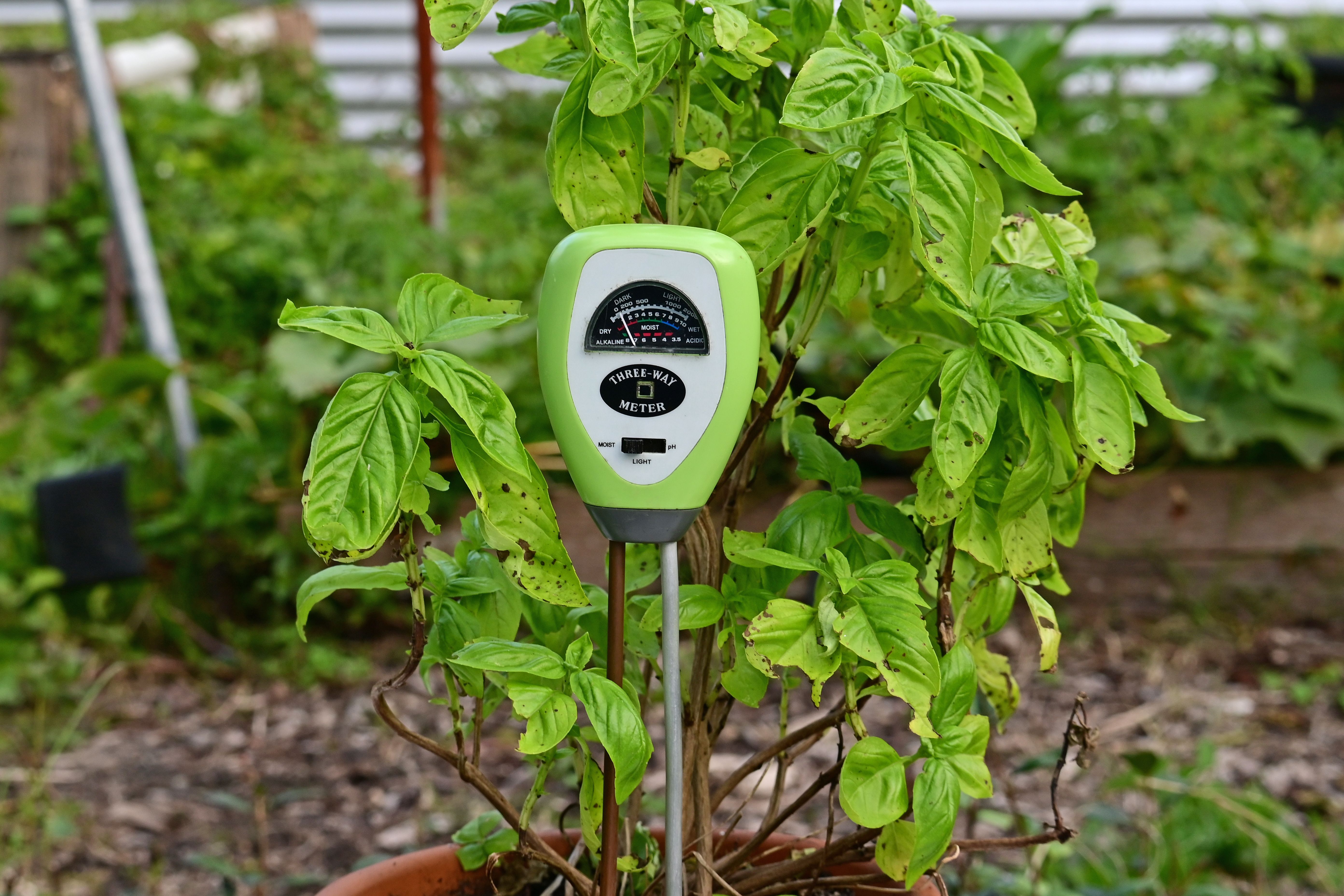
Farmers should conduct regular soil tests to monitor nutrient levels and pH balance. Based on these results, they can adjust fertilization practices accordingly. This proactive approach ensures that crops receive the necessary nutrients throughout the year, optimizing growth and yield.
Pest and Disease Control
Florida's warm climate is ideal for various pests and diseases that can threaten crops. Integrated Pest Management (IPM) is an effective approach that combines biological, cultural, physical, and chemical tools to manage pest populations. Farmers should stay informed about common pest issues and implement IPM strategies tailored to their specific crops.
Regular monitoring and early detection are crucial components of pest management. By promptly identifying pest issues, farmers can take action to minimize damage, reducing the need for chemical interventions. This not only protects the environment but also helps maintain the farm's ecological balance.

Efficient Water Management
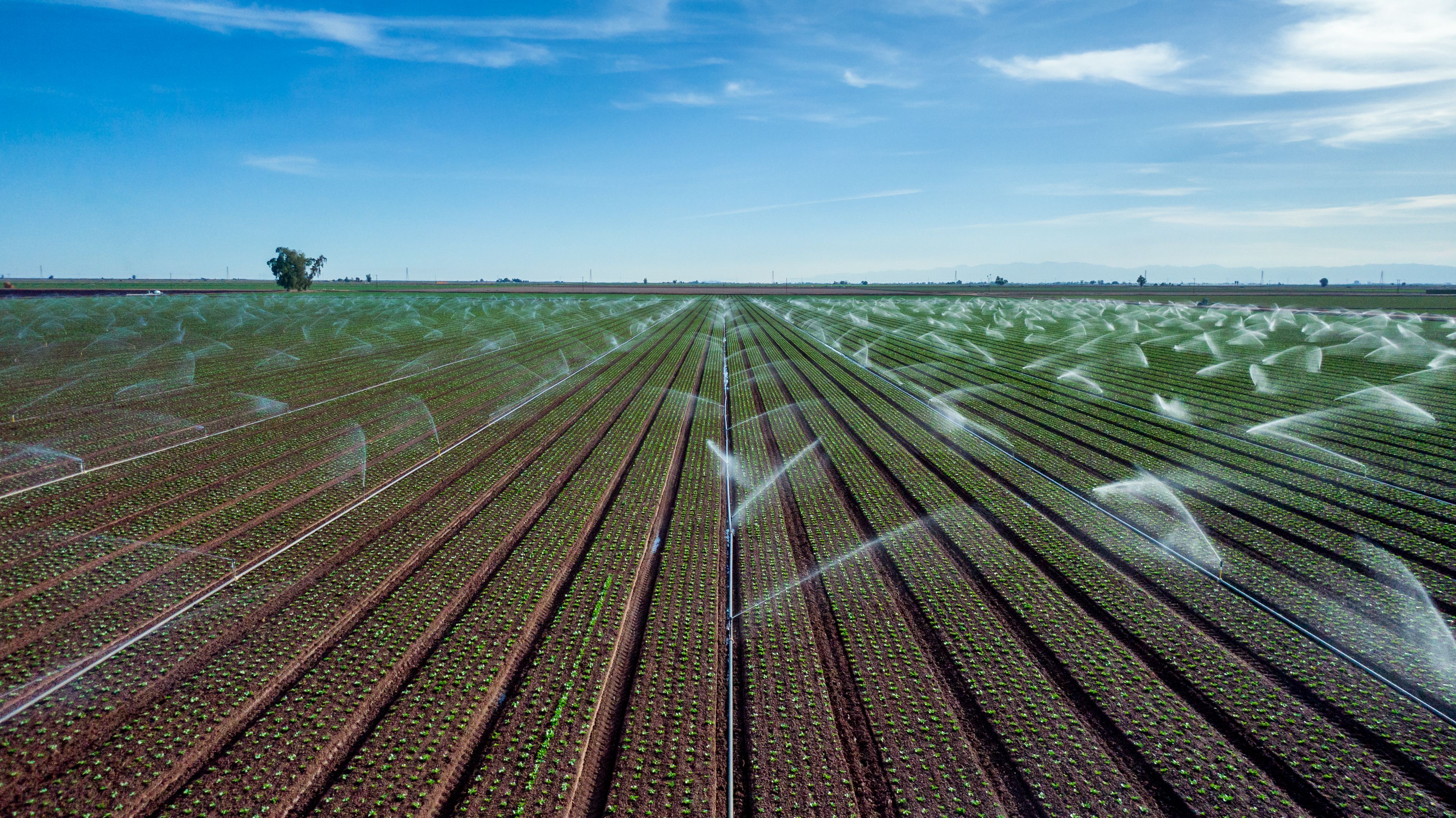
Water management is another critical aspect of farm maintenance in Florida. With periods of heavy rainfall followed by dry spells, farmers need to be strategic about irrigation practices. Drip irrigation systems are highly effective in delivering water directly to plant roots, minimizing waste and ensuring efficient water use.
During dry periods, mulching can help conserve soil moisture and reduce evaporation. Additionally, farmers should consider implementing water conservation practices such as rainwater harvesting to supplement irrigation needs during drought conditions.
Livestock Care in Warm Climates
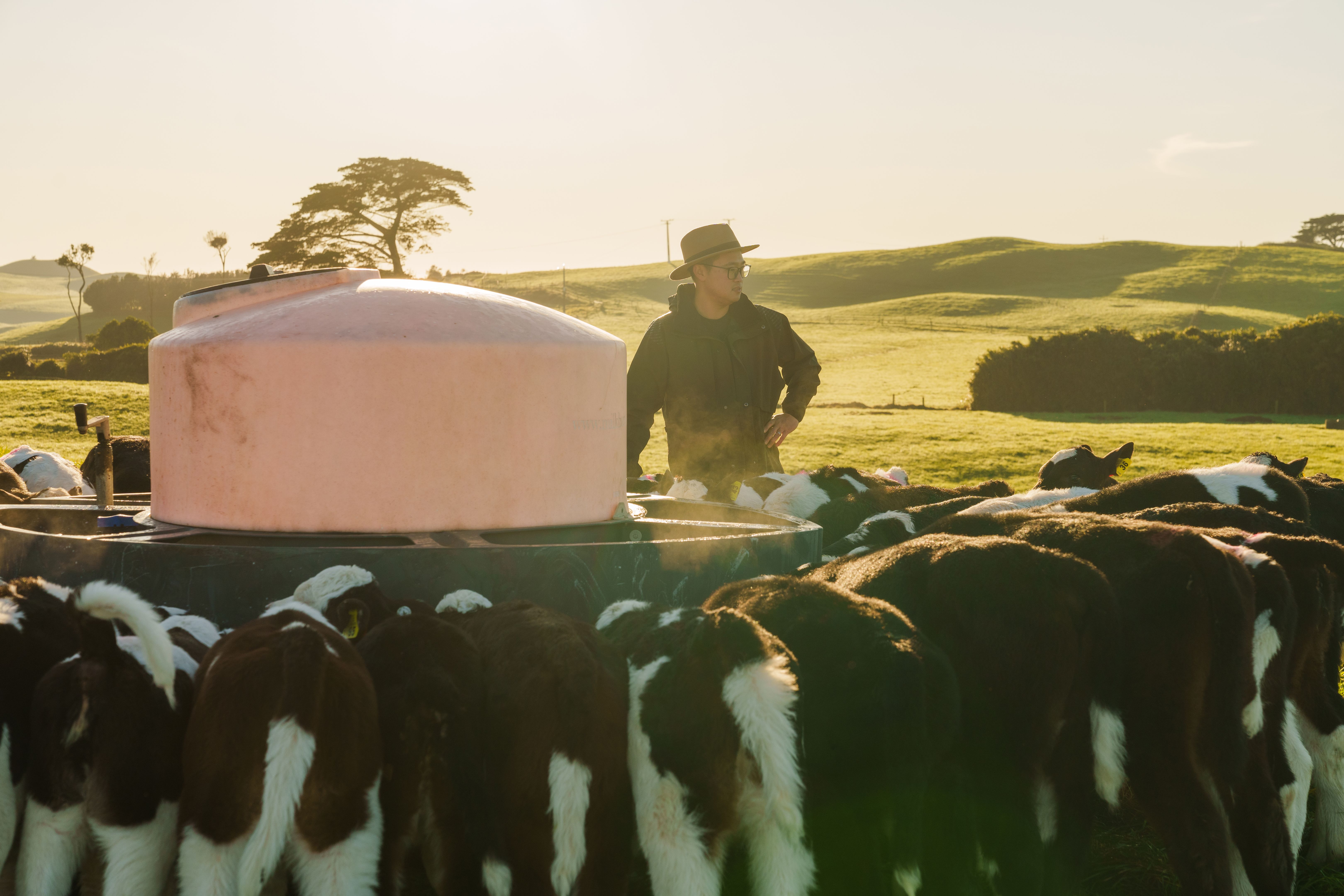
Caring for livestock in Florida's warm climate requires special attention to prevent heat stress. Providing adequate shade, ventilation, and access to clean water is essential for maintaining animal health and productivity. Rotational grazing can also help manage pasture health and provide livestock with fresh forage.
Regular health check-ups and vaccinations are vital to prevent the spread of diseases among livestock. By maintaining a consistent health management program, farmers can ensure their animals remain robust and productive throughout the year.
Investing in Technology
Embracing technology can significantly enhance farm maintenance efforts. From automated irrigation systems to drones for monitoring crop health, technology offers numerous tools for improving efficiency and productivity on the farm. Farmers in Florida should explore technological solutions that align with their specific needs and budget.
By leveraging technology, farmers can gain valuable insights into their operations, enabling them to make data-driven decisions that optimize resources and enhance overall farm management.