DIY Tips for Small-Acreage Owners: Maximizing Your Land's Potential


Assessing Your Land
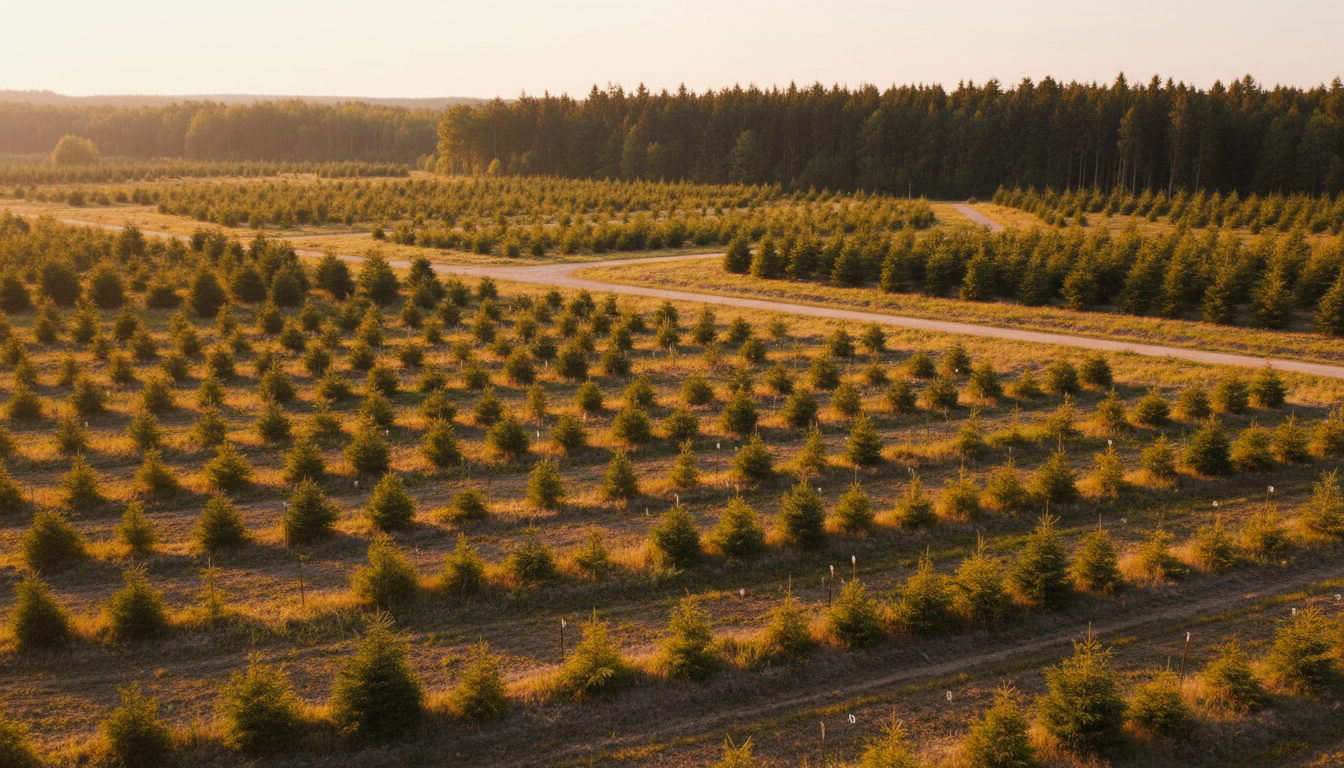
Before diving into any projects, it's crucial to assess the current state of your land. Take a walk around your property and make note of its natural features. Consider the quality of the soil, the amount of sunlight each area receives, and any existing structures or obstacles. Understanding these elements will help you plan more effectively.
Soil Testing
Conducting a soil test is an essential step in understanding what your land can support. You can purchase a simple kit or hire a professional. The results will guide you in selecting the right plants and amendments to improve soil health. Healthy soil is the foundation of a successful small-acreage endeavor.
Planning and Zoning
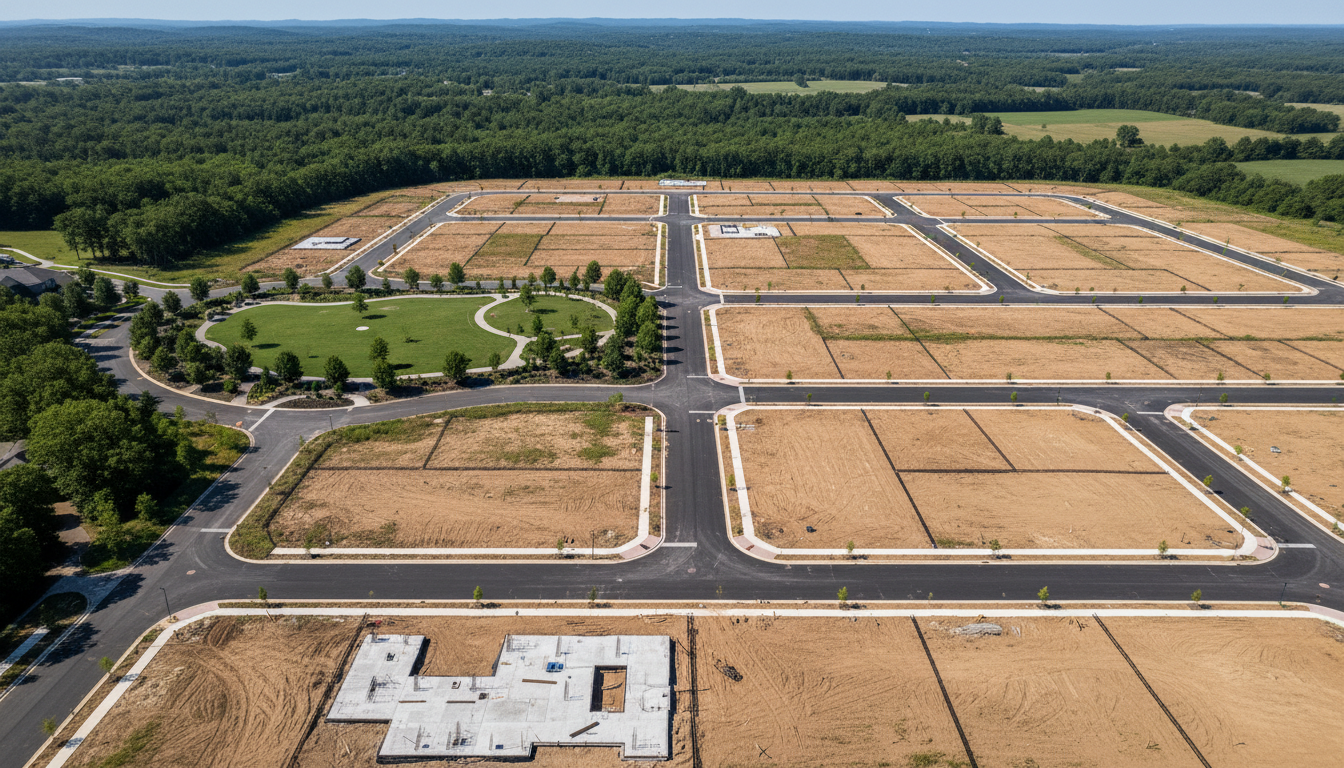
Once you have a clear understanding of your land, create a detailed plan. Break it down into zones for different purposes such as gardening, livestock, and recreational areas. This zoning will help you maximize space and ensure that each area serves its intended purpose efficiently.
Permaculture Principles
Incorporating permaculture principles can enhance your land's productivity while maintaining ecological balance. Focus on creating self-sustaining ecosystems by planting native species, utilizing natural water sources, and recycling organic waste. This approach not only benefits the environment but also reduces maintenance efforts.
Gardening and Crop Selection
Choosing the right crops is key to maximizing your small acreage. Opt for high-yield plants that are well-suited to your climate and soil type. Consider planting a mix of vegetables, fruits, and herbs to get a diverse and sustainable harvest. Companion planting can also help improve growth and deter pests.
Vertical Gardening
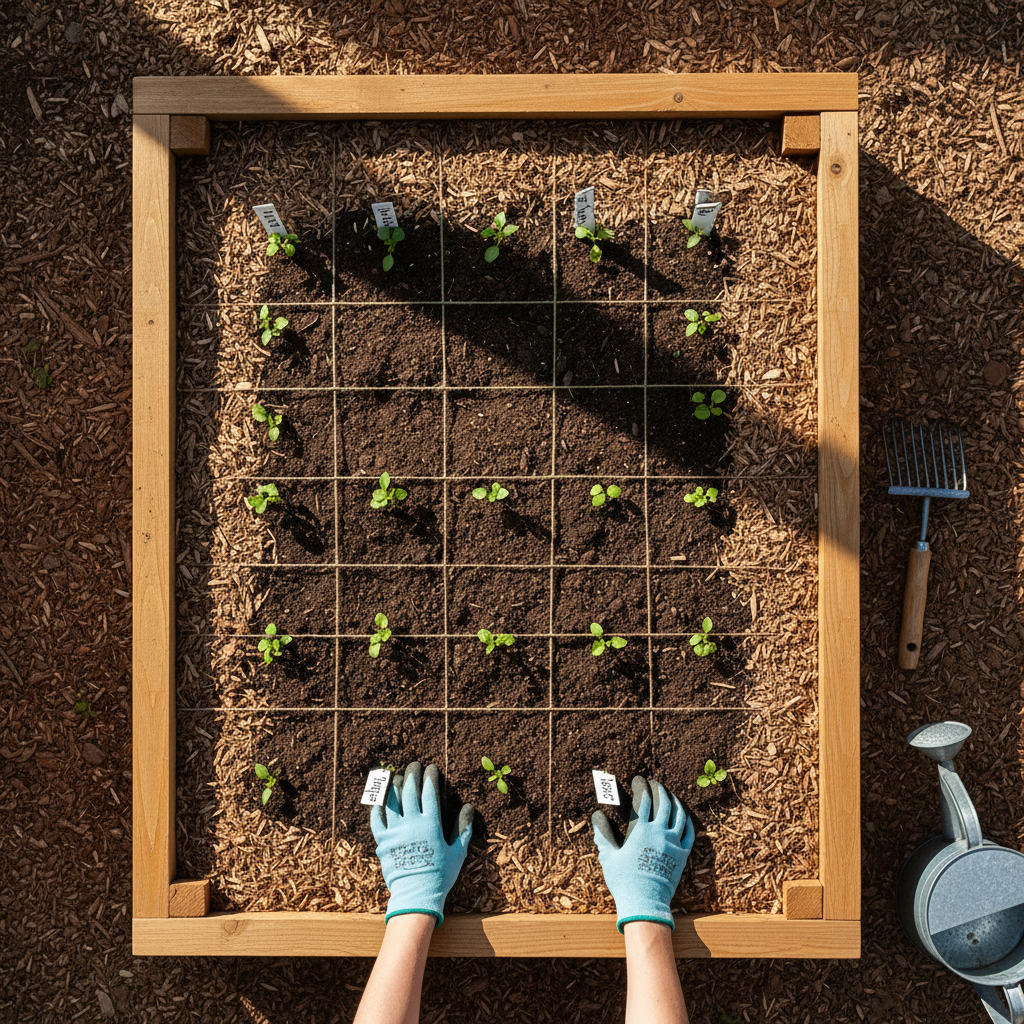
If space is limited, vertical gardening is an excellent solution. By growing plants upwards on trellises or walls, you can make the most of your available area. This technique is particularly useful for growing vine crops like tomatoes, cucumbers, and beans, which thrive when given vertical support.
Livestock and Animal Care
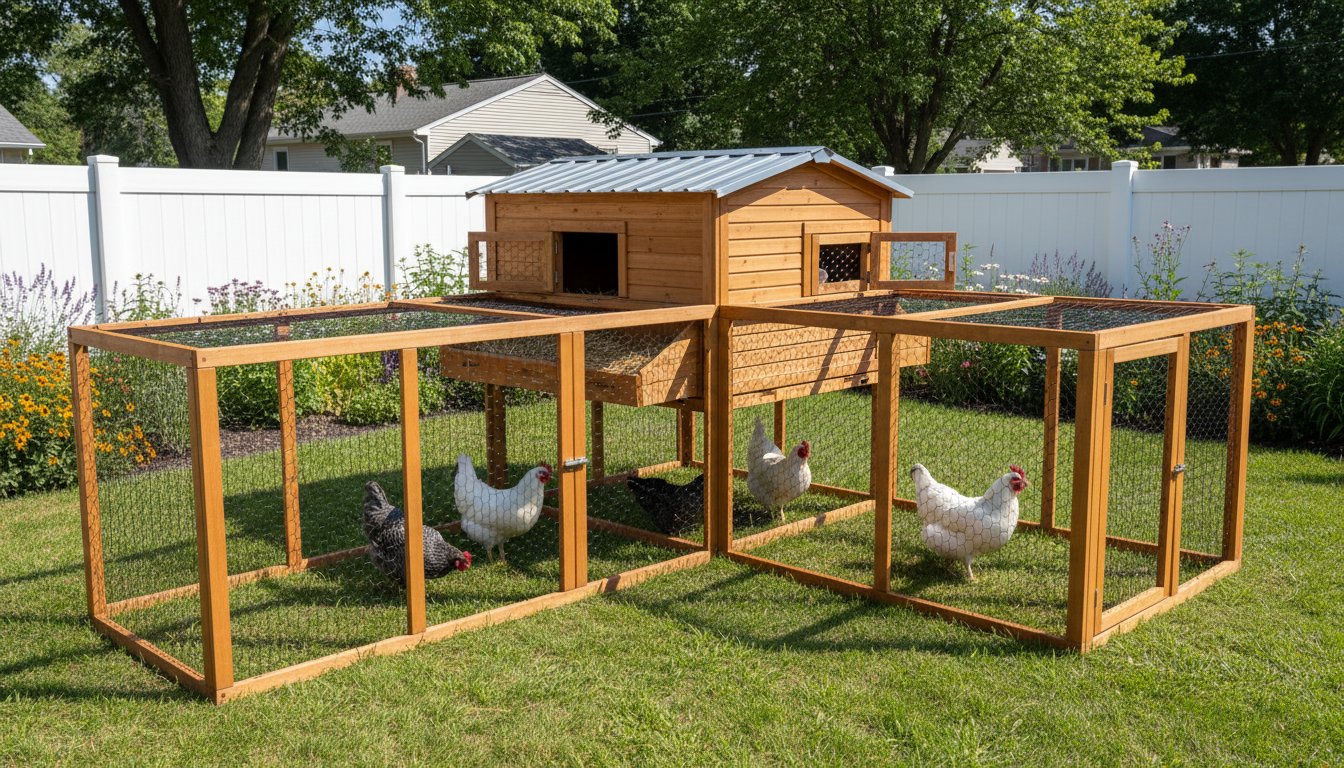
Integrating livestock into your small acreage can provide fresh produce and natural fertilizer. Start with animals that are manageable and suited to your environment, such as chickens or goats. Ensure you have proper enclosures and access to clean water and food to keep them healthy and productive.
Rotational Grazing
Consider implementing rotational grazing to optimize pasture usage and improve soil health. By moving animals between different sections of your land, you allow grass to recover, reduce soil compaction, and minimize parasite loads. This method contributes to a more sustainable and productive land use.