Designing an Equestrian Layout: Tips for Small Acreage Owners


Understanding Your Space
Designing an equestrian layout on a small acreage requires creativity and strategic planning. The first step is understanding the space you have. It's important to measure your land accurately and identify areas that can be utilized for different purposes. Consider the natural landscape, including slopes and existing vegetation, as these can impact your design.
Once you have a clear picture of your property, start sketching a basic layout. Prioritize essential areas like the barn, paddocks, and riding arena. Remember, maximizing your available space is key.
Prioritizing Safety and Accessibility
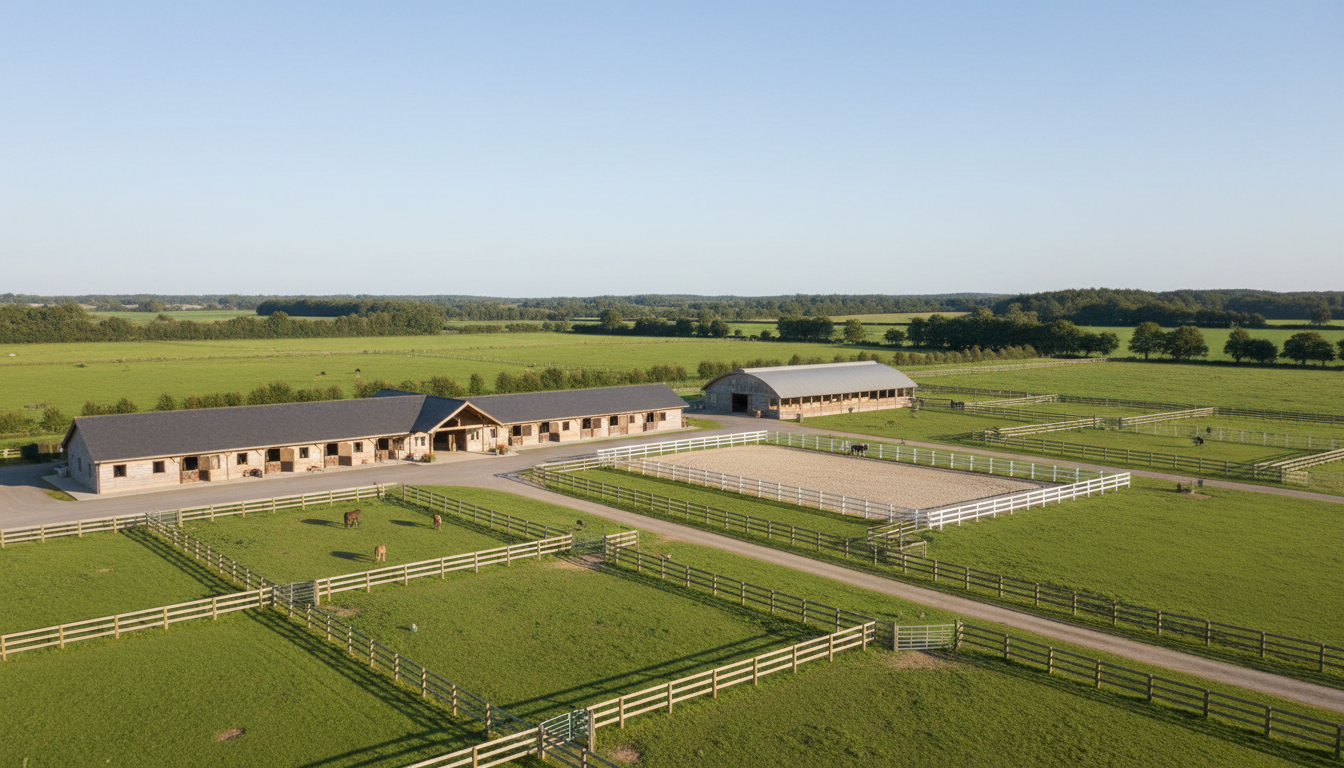
When designing your equestrian layout, safety and accessibility should be at the forefront. Ensure that pathways are wide enough for both horses and equipment. Gates should be easy to operate and strategically placed to facilitate smooth movement throughout the property.
It's also important to consider the location of your barn. Ideally, it should be central, minimizing the distance to paddocks and arenas. This not only saves time but also enhances safety by reducing the need for long walks with your horse.
Efficient Use of Space
On small acreage, every inch counts. To make the most of your space, consider multi-functional areas. For instance, a turnout area can double as a riding space when needed. Using portable fencing can help adjust spaces as required.
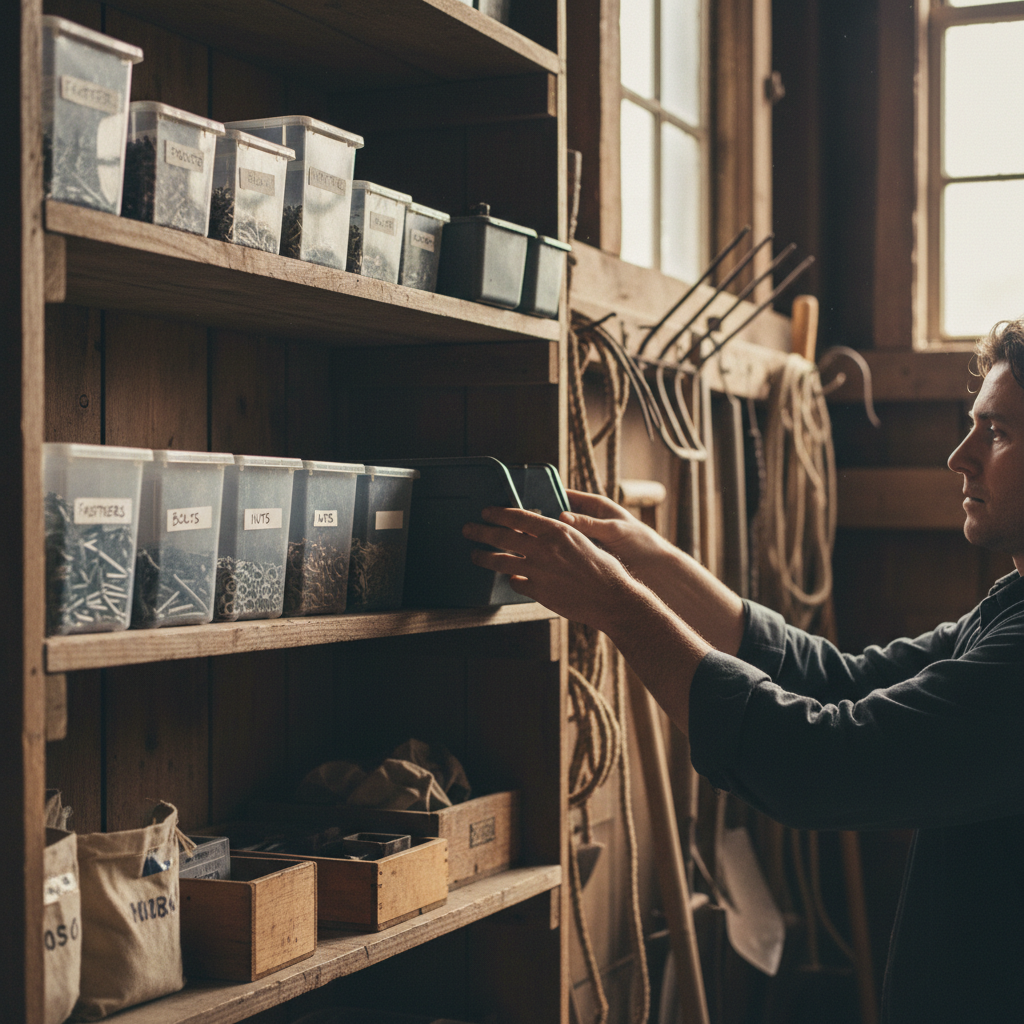
Additionally, think vertically. Installing haylofts or storage racks can free up ground space in your barn. This approach helps in maintaining a tidy and organized environment.
Environmental Considerations
Being environmentally conscious is essential in equestrian layout design. Implementing drainage solutions prevents waterlogging, which can be detrimental to both horses and land. Planting native vegetation around paddocks can aid in soil preservation and provide shade.
Consider using eco-friendly materials for fencing and building structures. Not only is this better for the environment, but it also often requires less maintenance in the long run.
Creating Comfortable Living Conditions
Ensuring your horses are comfortable is critical. Adequate shelter, clean water sources, and proper feeding areas must be included in your design. When placing shelters, consider the prevailing wind direction to protect against harsh weather conditions.
Regularly maintained paddocks with rotational grazing can help keep the grass healthy and provide a more enjoyable space for your horses.
Planning for Future Growth
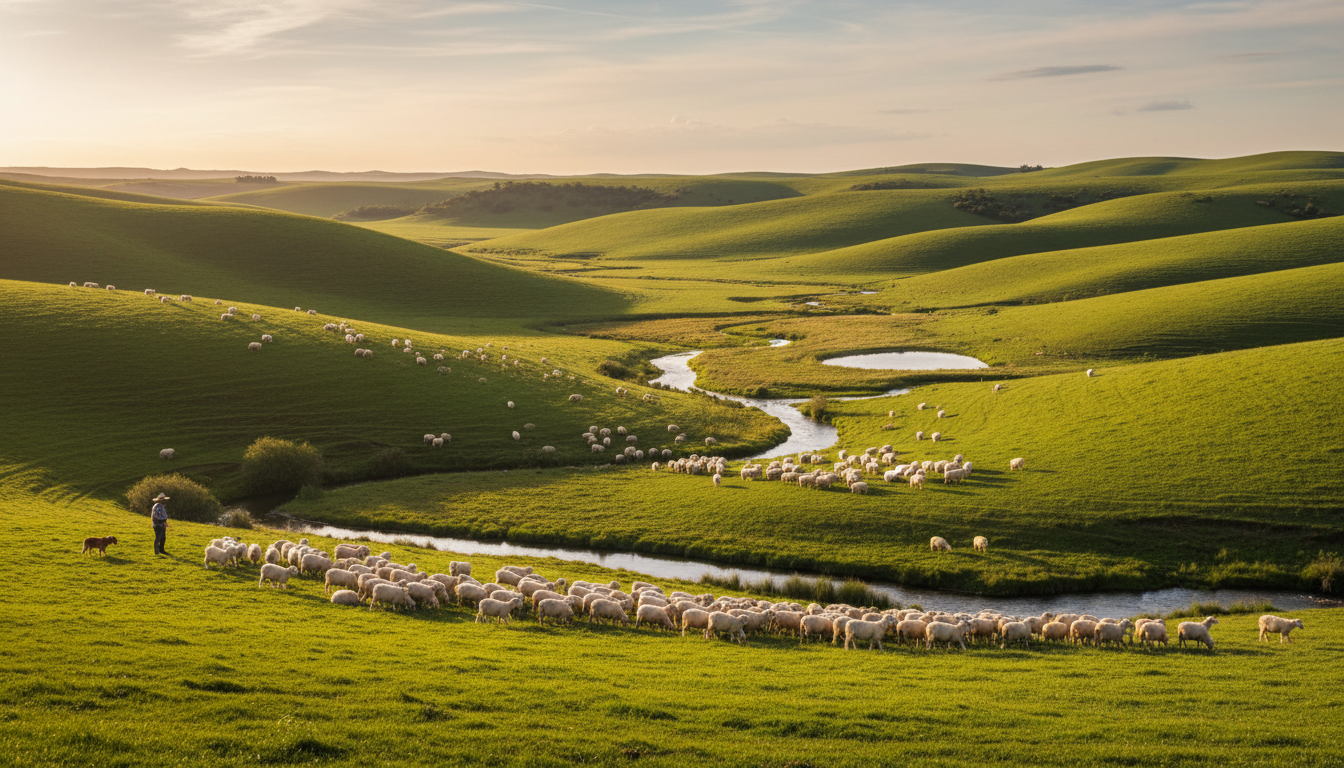
Finally, while focusing on the present, it's wise to plan for future expansion. You may want to add more horses or facilities, so ensure your layout allows for potential growth. Leave room for additional paddocks or stables and consider how utilities like water and electricity can be extended.
By approaching your equestrian layout with foresight and flexibility, you can create a functional and enjoyable environment for both you and your horses.