Designing an Equestrian Layout: Tips for Florida Landowners


Understanding Your Land and Climate
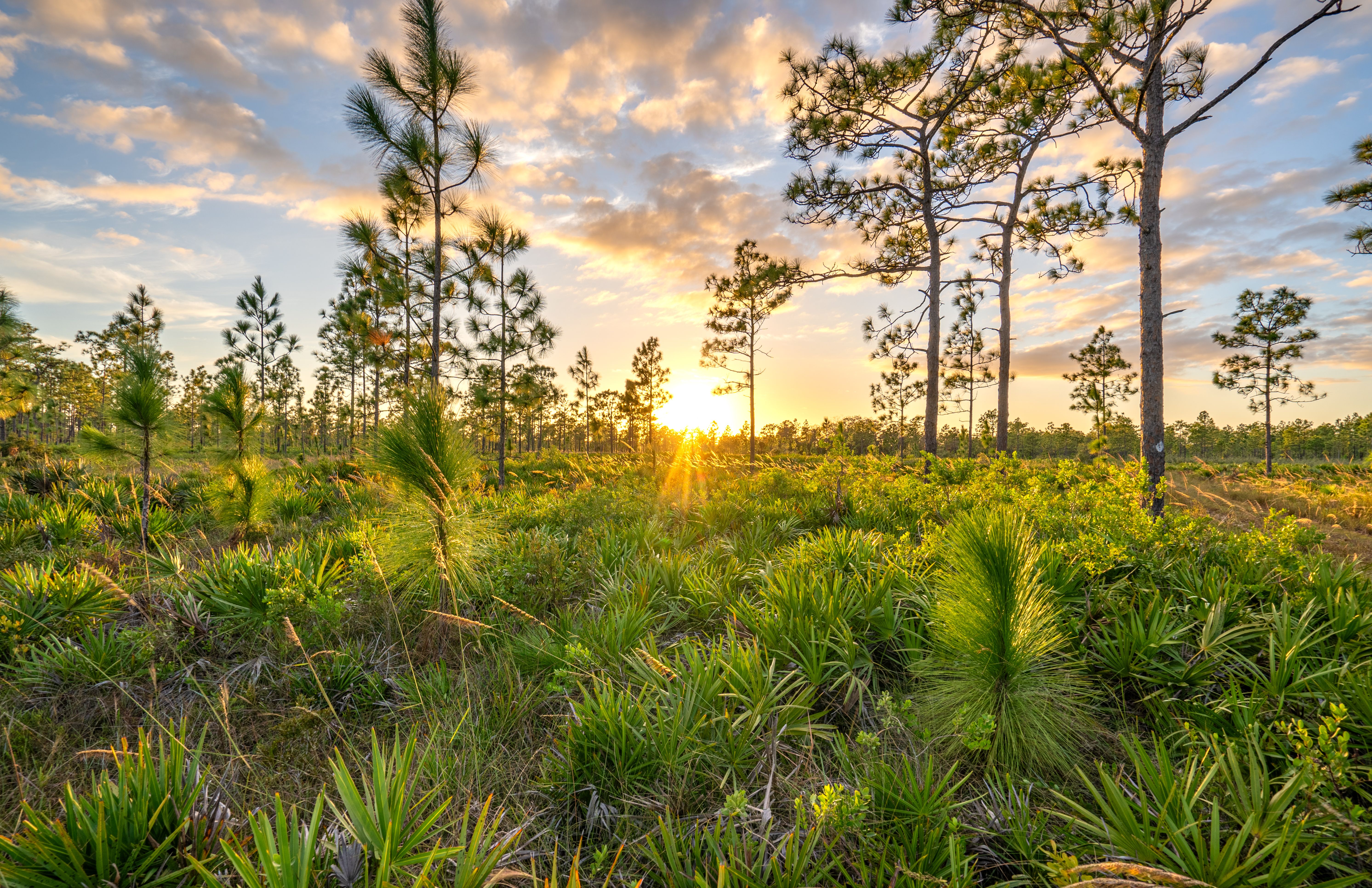
Designing an equestrian layout in Florida requires a deep understanding of the local climate and land conditions. Florida's unique weather patterns, marked by hot, humid summers and mild winters, play a crucial role in planning. Landowners must consider the soil type and drainage capabilities to prevent waterlogging, which can be detrimental to both horses and facilities.
Soil and Drainage
Proper drainage is essential in a state known for its heavy rainfall. Ensure your land has appropriate grading to direct water away from stables and arenas. Installing French drains or swales can be effective solutions. Conduct a soil test to determine its suitability for equestrian activities, as sandy soils may require stabilization to support structures.
Designing Functional Spaces
A well-planned equestrian layout should include distinct areas for training, turnout, and relaxation. The design should prioritize the safety and comfort of both horses and handlers. Consider the specific needs of your horses and how each space will be utilized throughout the year.

Stables and Shelters
Stables should be designed to maximize airflow and natural light while providing ample protection from the elements. Use materials that are durable and easy to clean. Shelters in pastures are also important, offering horses a place to escape the sun or rain. Ensure these structures are placed strategically within the layout.
Creating Training Areas
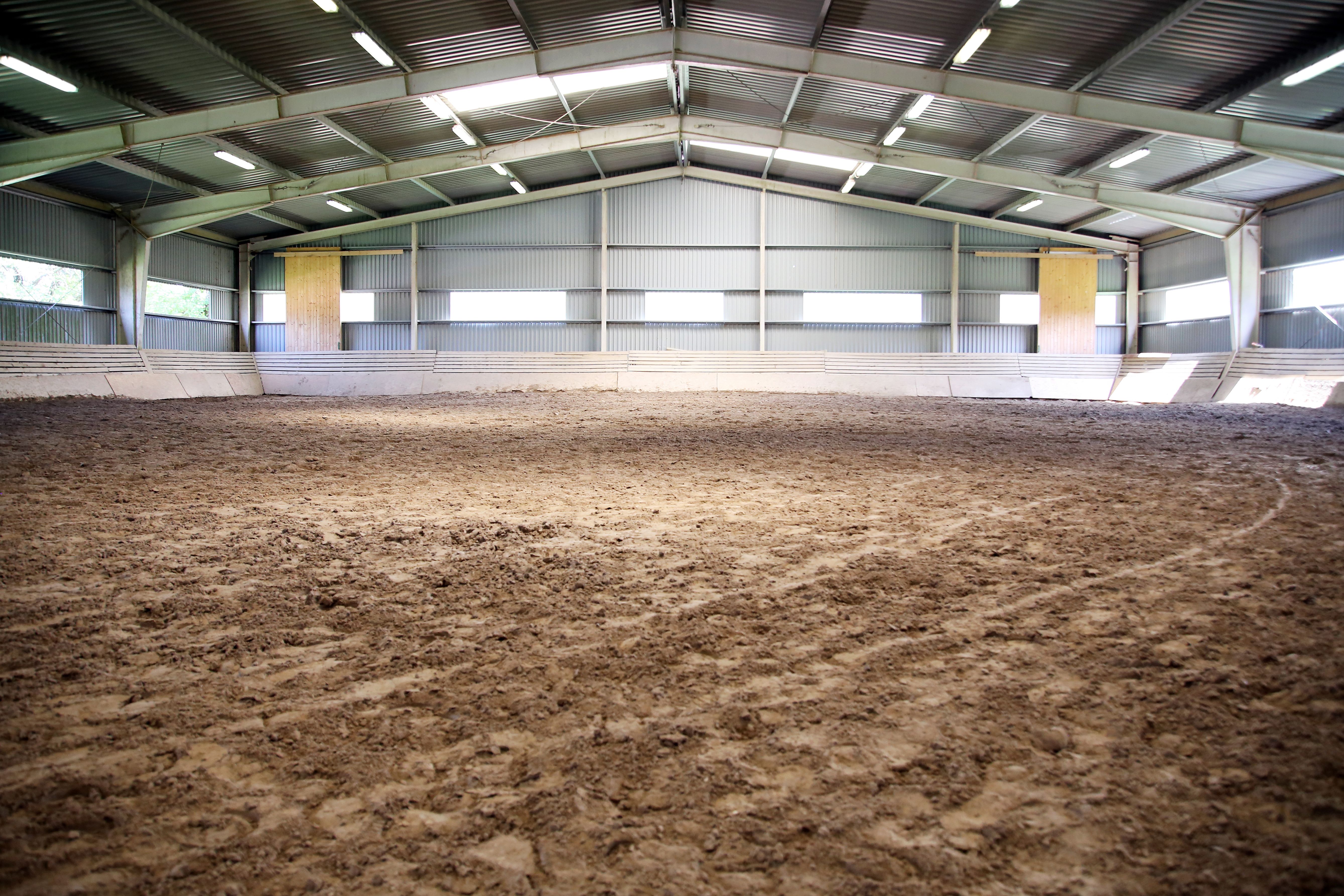
Training areas such as arenas and round pens are vital for any equestrian property. When planning these spaces, consider the type of riding and training that will occur. Dressage arenas have different requirements compared to jumping or western riding areas. Ensure the footing is suitable for your specific discipline to prevent injuries.
Footing Materials
The footing in your arena should provide a balance of support and cushion. Common materials include sand, rubber, and synthetic blends. Regular maintenance is crucial to keep the footing in optimal condition, especially in Florida’s variable weather.
Enhancing Aesthetic Appeal
While functionality is key, aesthetics also play an important role in your equestrian layout. Landscape design can enhance the beauty of your property, making it more enjoyable for you and your horses. Use native plants that are resilient and low-maintenance, which thrive in Florida’s climate.
Fencing and Pathways
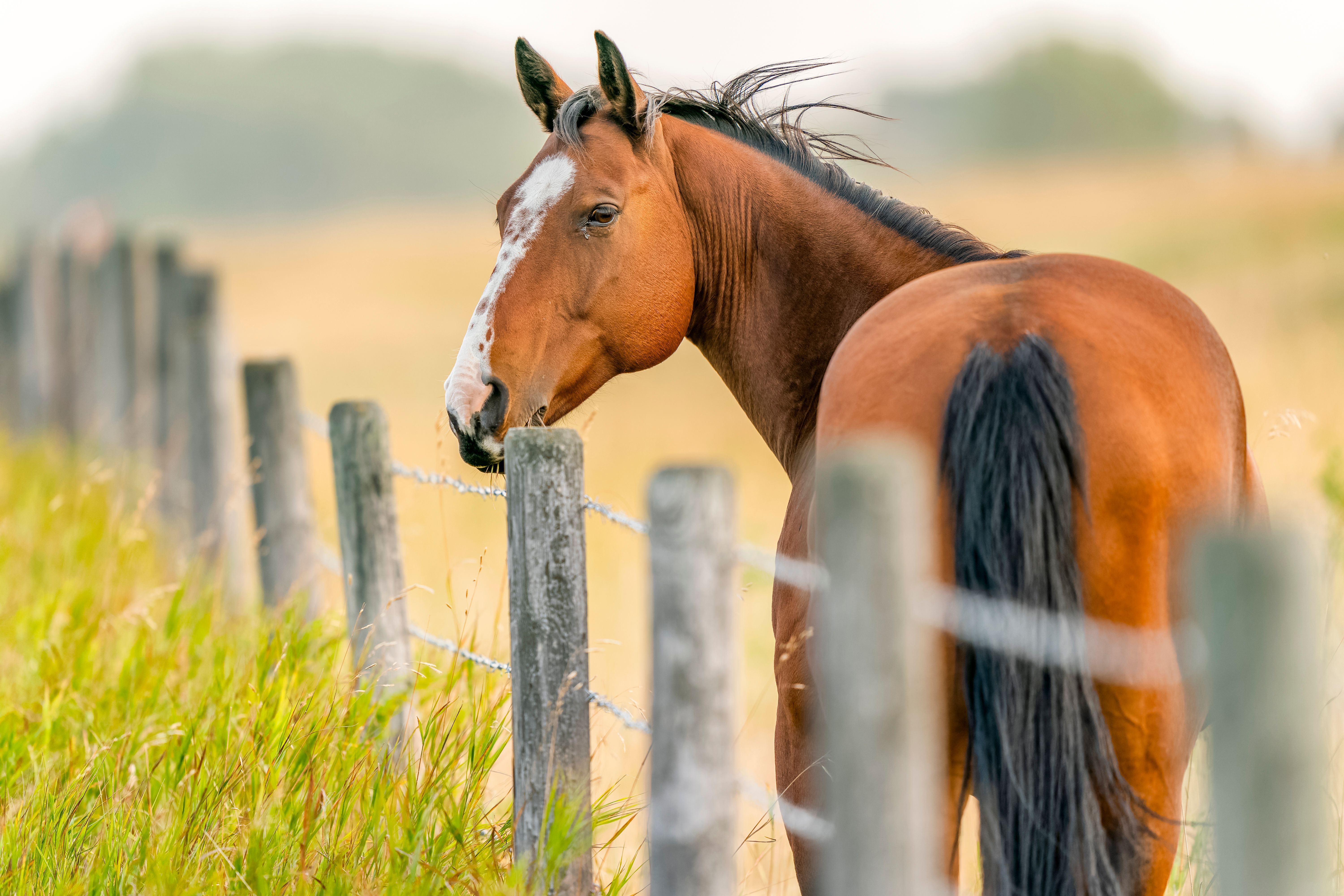
Choose fencing that complements the overall design while ensuring the safety of your horses. Wooden fences are popular for their classic look, but consider alternatives like vinyl or wire for durability. Well-designed pathways can improve accessibility and reduce wear on your land.
Conclusion
Designing an equestrian layout in Florida requires careful planning and consideration of the local environment. By focusing on drainage, functional spaces, and aesthetics, landowners can create a safe and welcoming environment for both horses and riders. With thoughtful design, your equestrian property can thrive in Florida's unique climate.