Designing a Thriving Garden in Central Florida: Tips and Tricks


Understanding Central Florida's Climate
Central Florida is blessed with a unique climate that can be both a gardener's dream and challenge. With its subtropical weather, the region experiences hot, humid summers and mild winters. This climate allows for a wide variety of plants to thrive, but it also means you need to choose your plants wisely. Understanding the local climate is the first step in creating a thriving garden.
When planning your garden, consider the seasonal changes and how they affect plant growth. The summer months can be intense, so selecting plants that can endure high temperatures and humidity is crucial. Additionally, winter in Central Florida is mild, providing an opportunity to grow different varieties that need cooler temperatures.
Choosing the Right Plants
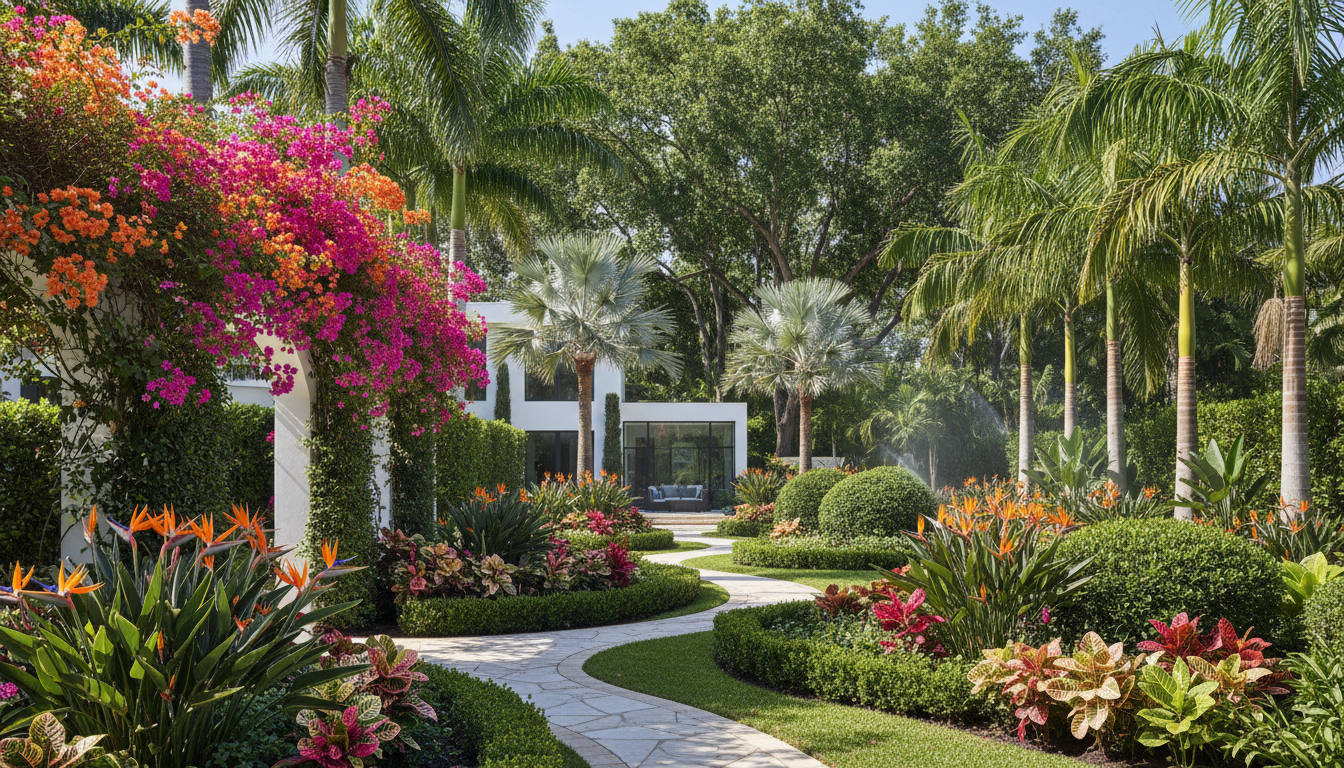
The next step in designing your garden is selecting the right plants. Native plants are often the best choice as they are well-adapted to the local environment. Some popular options include Coreopsis, Firebush, and Beach Sunflower. These plants not only thrive in the climate but also support local wildlife.
Consider incorporating a mix of perennials and annuals to add diversity and color throughout the year. Perennials will return year after year, while annuals can be changed each season for a fresh look. It's essential to pay attention to the sun and shade requirements of each plant to ensure they are placed in the optimal location.
Soil Preparation and Maintenance
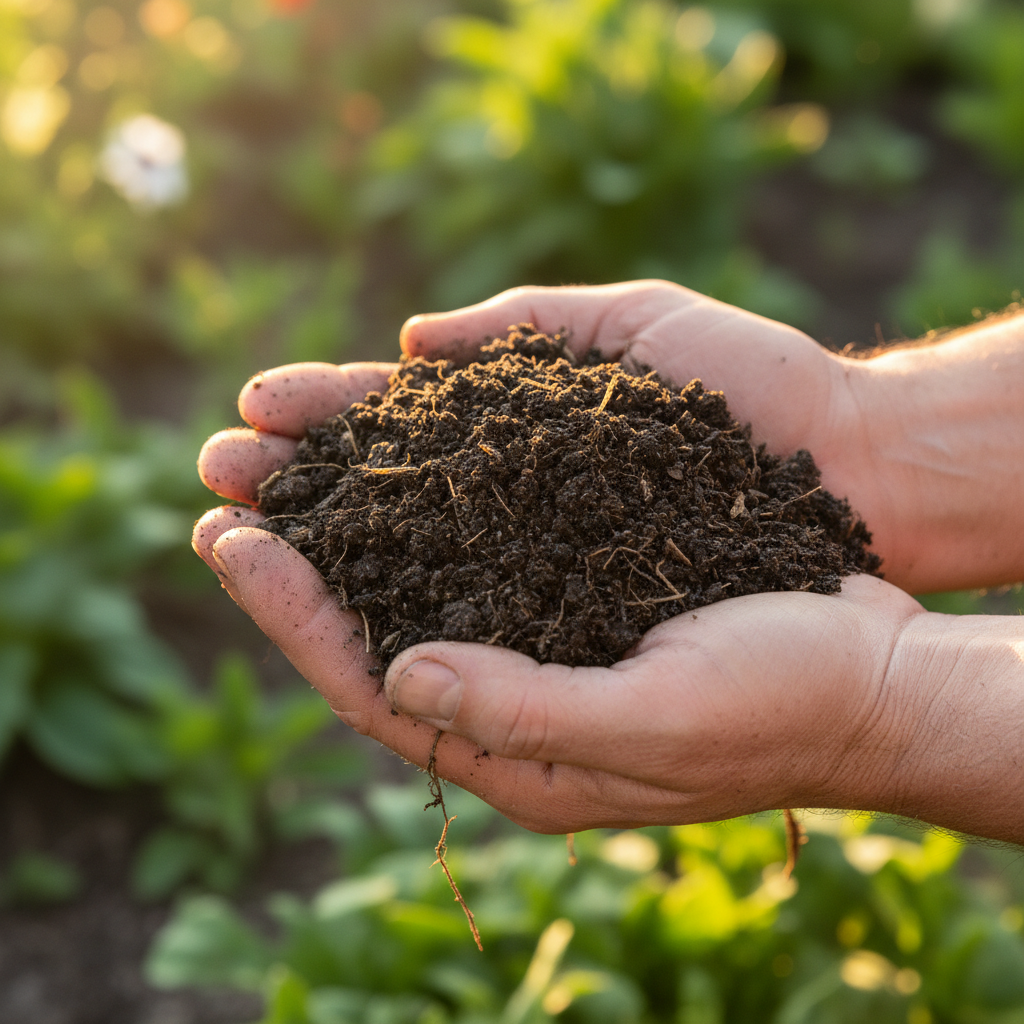
Soil quality can make or break your garden. In Central Florida, sandy soil is common, which may not retain nutrients well. To improve soil quality, consider adding organic matter such as compost or peat. This will enhance nutrient retention and provide a better environment for plant roots.
Regular maintenance is key to a thriving garden. Mulching helps retain moisture and suppress weeds, while regular watering—especially during dry spells—keeps plants healthy. Be mindful of overwatering, as well, as this can lead to root rot.
Watering Techniques
Watering is a critical component of garden care in Central Florida. Due to the high temperatures, plants may require more frequent watering, but it's essential to do so efficiently. Early morning or late afternoon are ideal times to water, reducing evaporation and allowing plants to absorb moisture effectively.
Consider installing a drip irrigation system to ensure even and consistent watering. This method delivers water directly to the plant roots, reducing waste and promoting healthier growth. Additionally, rain barrels can be an eco-friendly way to collect and use rainwater for your garden.
Incorporating Wildlife
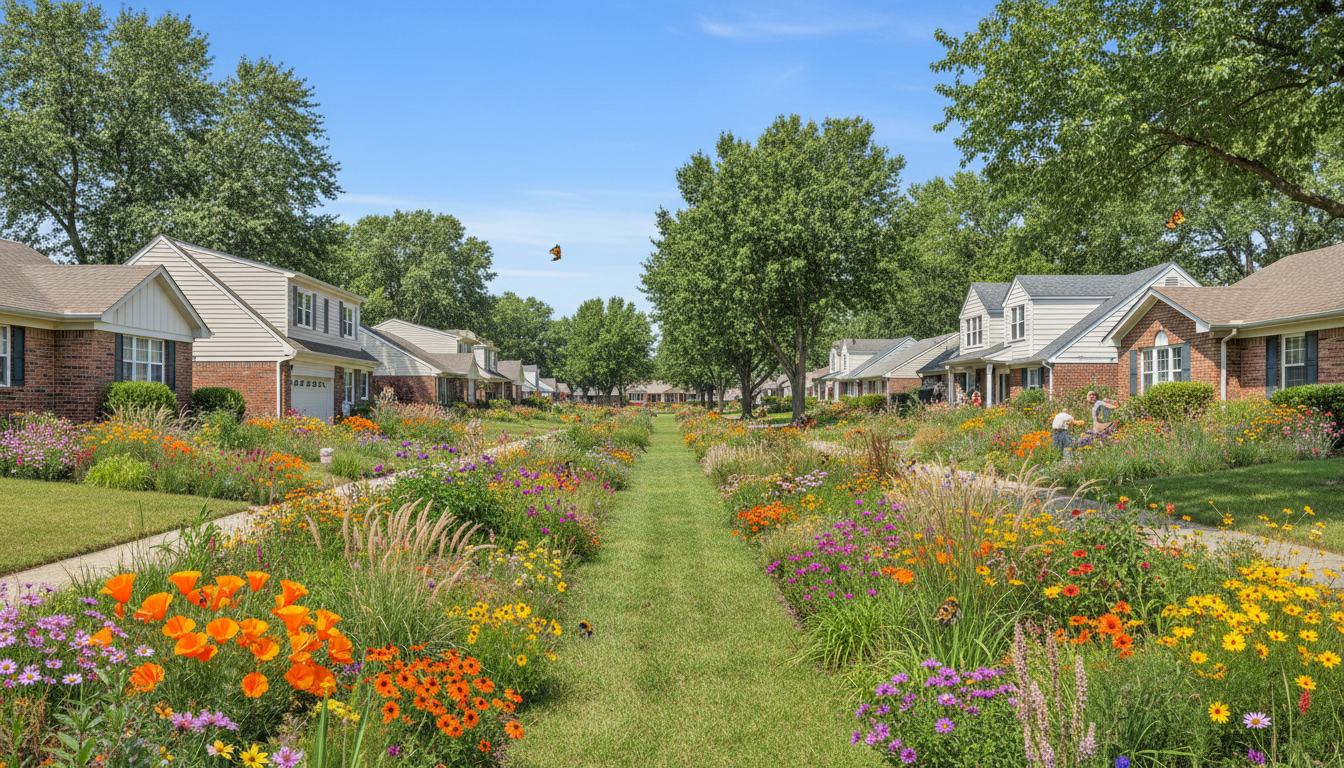
A thriving garden is not just about plants; it's also about creating a balanced ecosystem. By choosing plants that attract pollinators like bees, butterflies, and birds, you can enhance the biodiversity of your garden. Native flowering plants and shrubs provide nectar and habitat, supporting these beneficial creatures.
Creating a small water feature or birdbath can also attract wildlife, adding beauty and vitality to your garden space. This not only helps the environment but also creates a peaceful and engaging outdoor area.
Pest Control Strategies
Pests can be a challenge in any garden, but there are sustainable ways to manage them. Encourage natural predators, such as ladybugs and birds, by providing suitable habitats. Companion planting, which involves growing certain plants together that repel pests, can also be effective.
If necessary, use organic pesticides as a last resort to minimize harm to beneficial insects. Regular monitoring and maintenance will help you catch pest issues early and address them before they become severe.