Designing a Thriving Equestrian Layout: Tips for Small Acreages


Designing an equestrian layout on small acreages can be both a rewarding and challenging endeavor. Whether you're an experienced horse owner or a newcomer, creating a functional and comfortable space for your horses requires careful planning. Here are some essential tips to help you make the most of your limited space.
Understanding Your Land
Before you begin, it's crucial to assess the natural features of your land. Consider factors such as soil type, drainage, and natural windbreaks. Understanding these elements will help you determine the best placement for paddocks, barns, and riding arenas. It's also essential to account for seasonal changes, such as areas prone to flooding or becoming muddy.
Maximizing Paddock Space
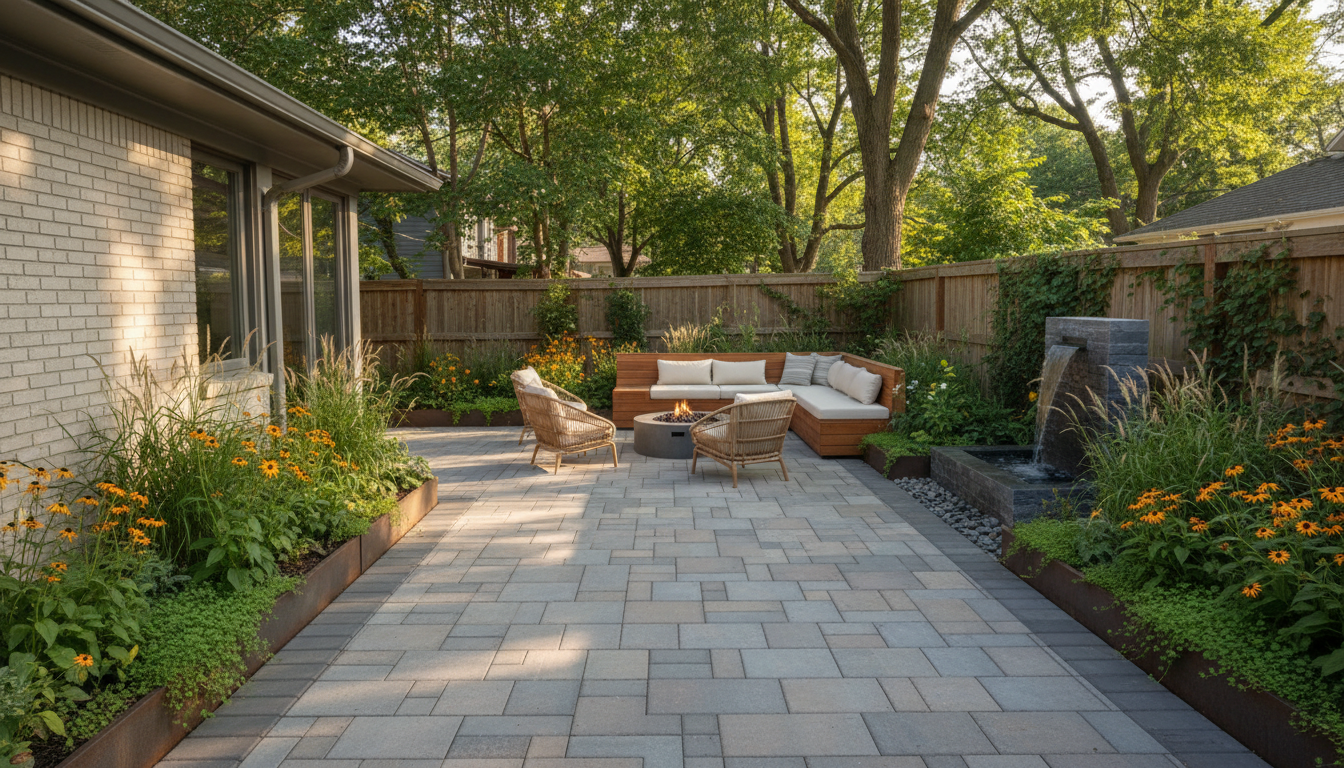
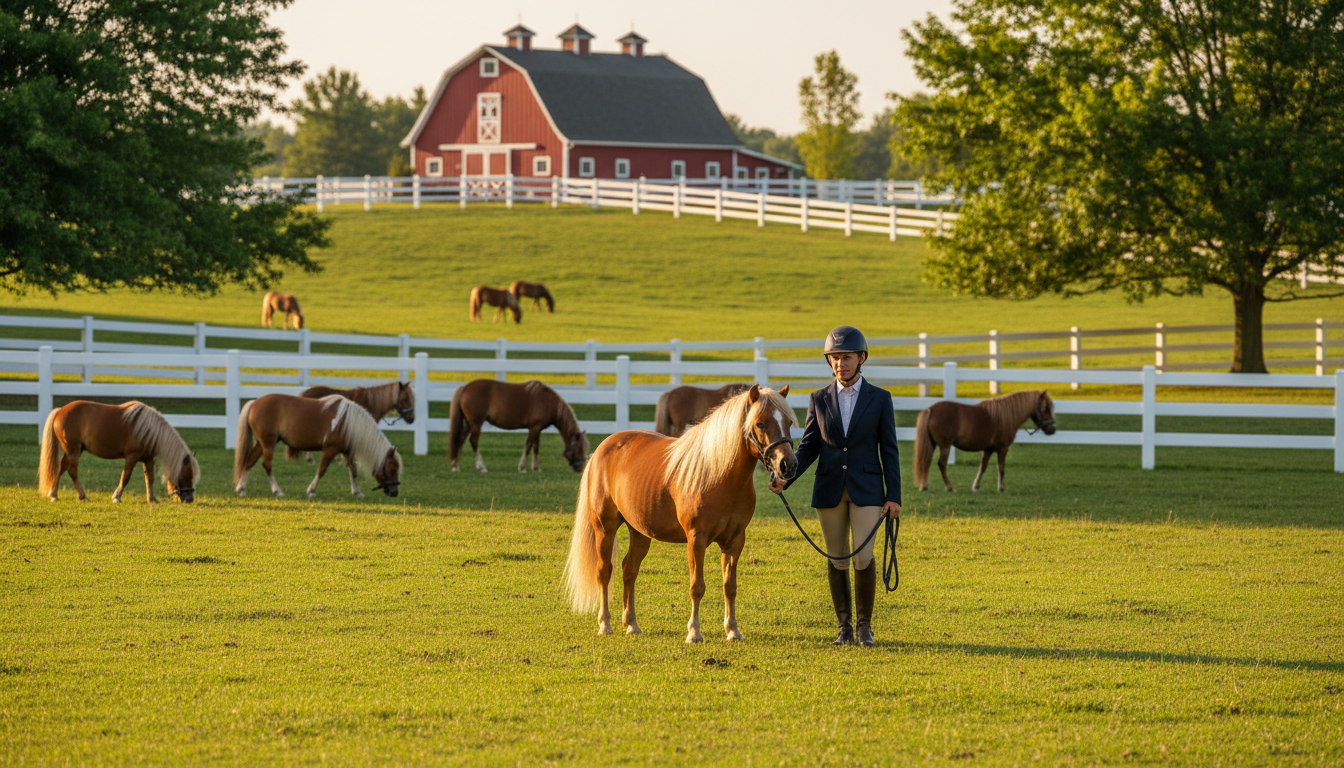
For small acreages, efficiently using paddock space is vital. You can achieve this by creating rotational grazing systems. By dividing your pasture into smaller sections, you allow grass to recover, promoting a healthier environment for your horses. Consider installing portable fencing to make this system flexible.
Additionally, incorporating a dry lot or sacrifice area can save your pastures from overuse. These areas provide a place for your horses when the pasture needs rest, especially during wet seasons.
Designing Functional Barns
The barn is the heart of any equestrian setup. For small acreages, it's essential to design a barn that maximizes space without sacrificing functionality. Consider a compact, multi-functional barn that includes stalls, tack rooms, and storage in a single structure.
Efficient Stall Layout
When planning stall layouts, prioritize accessibility and ventilation. Ensure that each stall has proper airflow to maintain a healthy environment. Sliding doors can save space and provide easier access. Also, consider installing Dutch doors to allow horses to look outside, enhancing their well-being.
Creating a Safe and Enjoyable Riding Arena
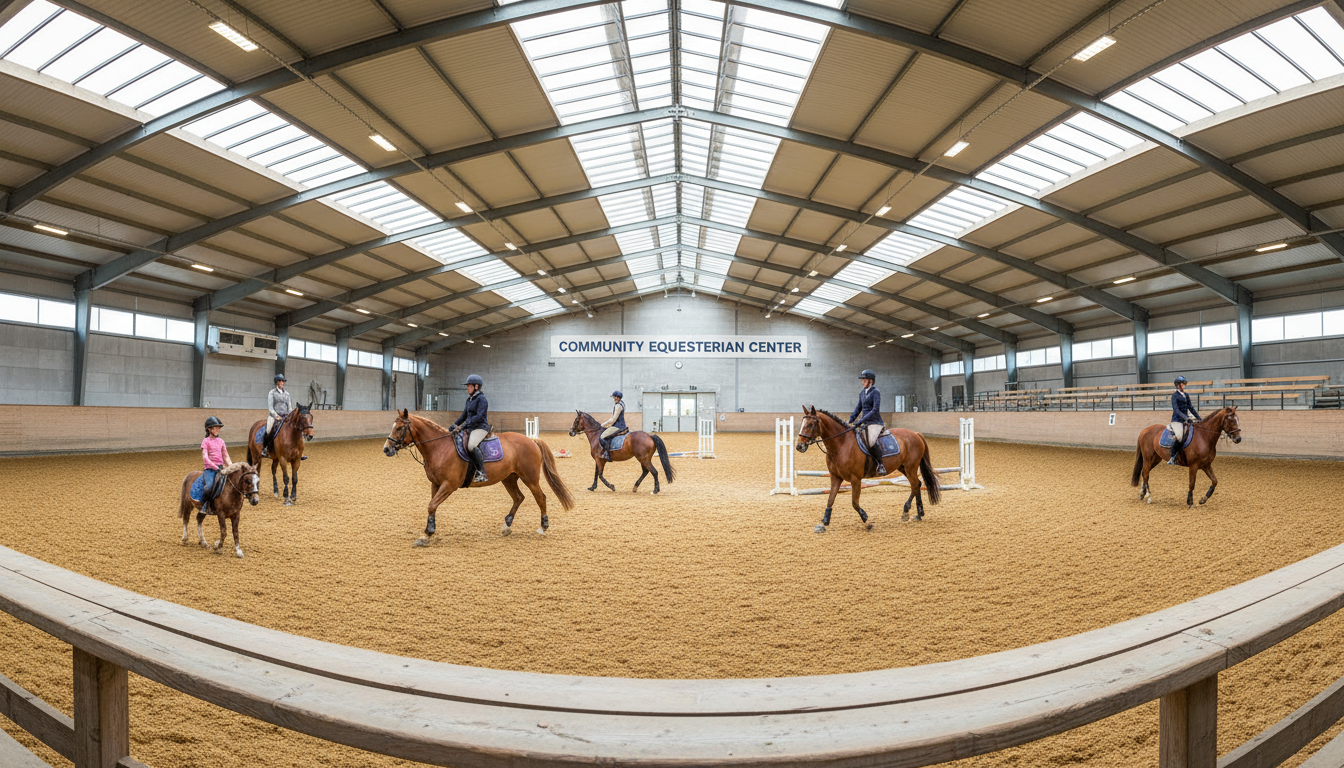
A well-designed riding arena is crucial for training and exercise. For limited spaces, consider a smaller arena with high-quality footing. This will not only ensure the safety of your horses but also reduce maintenance costs. If space is tight, a multi-use arena that serves both as a riding and training area can be an excellent solution.
Incorporating Natural Elements
Enhancing your equestrian layout with natural elements can improve aesthetics and functionality. Planting trees strategically can offer shade and windbreaks. Additionally, incorporating natural water features can aid in drainage and provide a more appealing environment.
Conclusion
Designing a thriving equestrian layout on small acreages requires creativity and thoughtful planning. By understanding your land, maximizing available space, and incorporating natural features, you can create a comfortable and efficient environment for both you and your horses. Remember, the key is to balance functionality with the well-being of your equine companions.