Designing a Thriving Edible Landscape in Florida's Climate


Understanding Florida's Climate
Designing an edible landscape in Florida requires a keen understanding of its unique climate. Known for its warm, humid conditions and frequent rain showers, Florida presents both opportunities and challenges for gardeners. The state is divided into several USDA hardiness zones, ranging mostly from 8 to 11, providing a wide array of plant options.
To thrive in Florida, plants must be able to withstand high humidity, intense sunlight, and occasional cold snaps in some regions. Selecting plants that are native or adapted to these conditions is crucial for a successful edible landscape.
Planning Your Edible Landscape
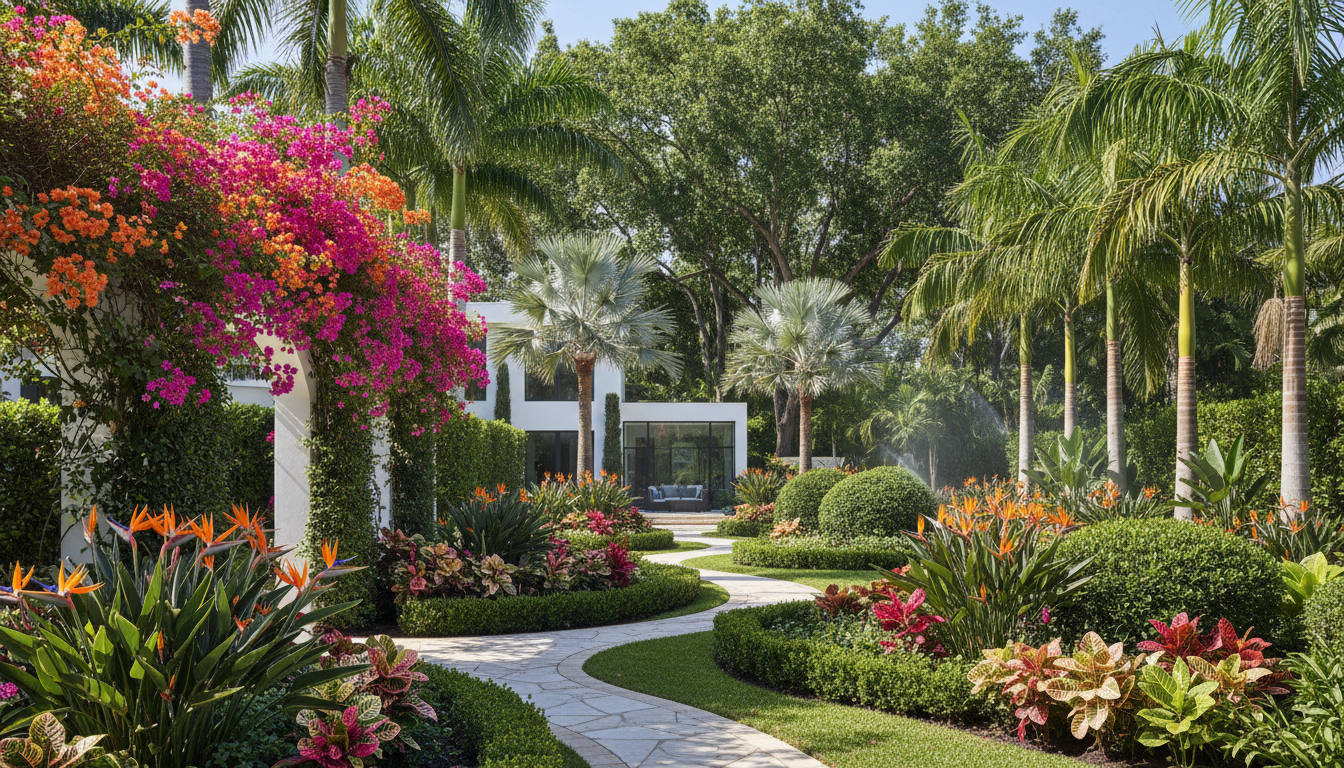
Before planting, take time to plan your landscape carefully. Consider factors such as soil type, sunlight exposure, and available space. Most of Florida has sandy soil, which drains quickly but may require amendments to enhance fertility. Adding organic matter like compost can improve soil structure and nutrient content.
Design your garden layout to maximize sun exposure for sun-loving plants while providing shade options for those that might need it. Use vertical gardening techniques or raised beds to make the most of limited space.
Choosing the Right Plants
Selecting the right plants is essential for an edible landscape that thrives. Some excellent choices for Florida include:
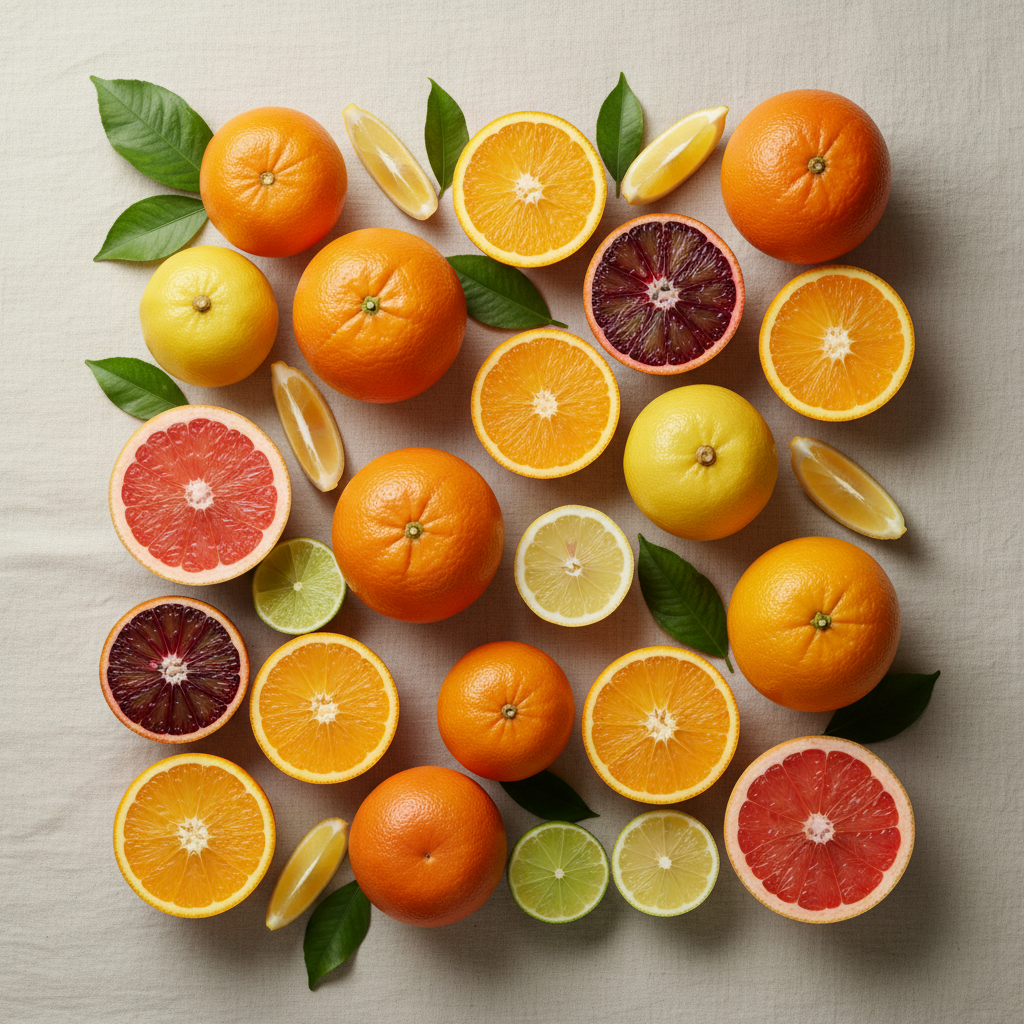
- Citrus trees: Oranges, grapefruits, and lemons are well-suited for Florida's climate.
- Tropical fruits: Mangoes, papayas, and avocados offer delicious options.
- Herbs: Basil, mint, and rosemary can thrive in the warm climate.
- Vegetables: Tomatoes, peppers, and eggplants grow well with proper care.
Watering and Maintenance
Regular maintenance is key to a thriving edible landscape. Florida's frequent rain can be both a blessing and a challenge. While it reduces the need for manual watering, heavy rains can lead to soil erosion and nutrient leaching. Implementing drip irrigation systems can help manage water efficiently.
Regularly check for pests and diseases, which can be prevalent in the humid climate. Using natural pest control methods and maintaining healthy soil through composting can mitigate these issues.
Incorporating Native Plants
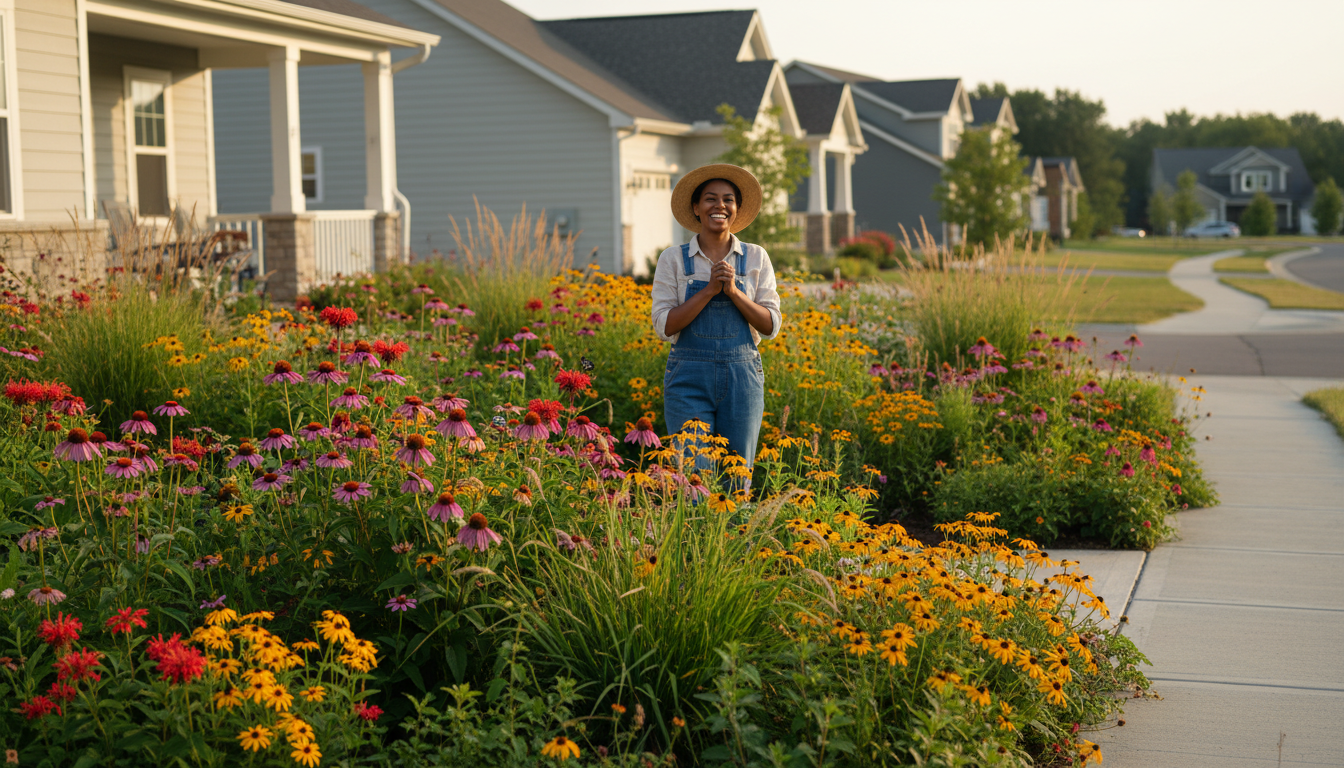
Incorporating native plants into your edible landscape can enhance its resilience and biodiversity. Native plants are adapted to the local climate and soil conditions, reducing the need for fertilizers and pesticides. They also support local wildlife, including pollinators like bees and butterflies.
Consider plants such as the native blueberry or the saw palmetto, which can provide both beauty and utility to your landscape.
Embracing Sustainability
Sustainability should be at the heart of your edible landscape design. Practices like composting, rainwater harvesting, and using organic fertilizers can reduce your environmental footprint. Additionally, integrating permaculture principles can create a self-sustaining ecosystem that supports both plant and animal life.
By focusing on sustainability, you not only create a thriving garden but also contribute positively to the environment.
Enjoying the Fruits of Your Labor
Once your edible landscape is established, you can enjoy the bounty it provides. Harvesting fresh fruits, vegetables, and herbs from your garden brings a sense of accomplishment and nourishes your body with healthy, homegrown produce.
Share your harvest with friends and family, or use it to inspire new culinary creations. Your Florida edible landscape is not just a garden; it's a lifestyle that connects you with nature and the food you eat.