Designing a Thriving Edible Landscape: Tips for Florida Homeowners


Designing an edible landscape in Florida offers homeowners the unique opportunity to create a lush, productive garden that thrives in the state's unique climate. With the right planning, you can enjoy a yard that not only looks beautiful but also provides fresh produce year-round.
Florida's warm climate is ideal for growing a wide variety of fruits, vegetables, and herbs. However, it's important to consider local soil conditions, rainfall, and pest management when planning your garden. By taking these factors into account, you can create a sustainable and successful edible landscape.
Understanding Florida's Climate
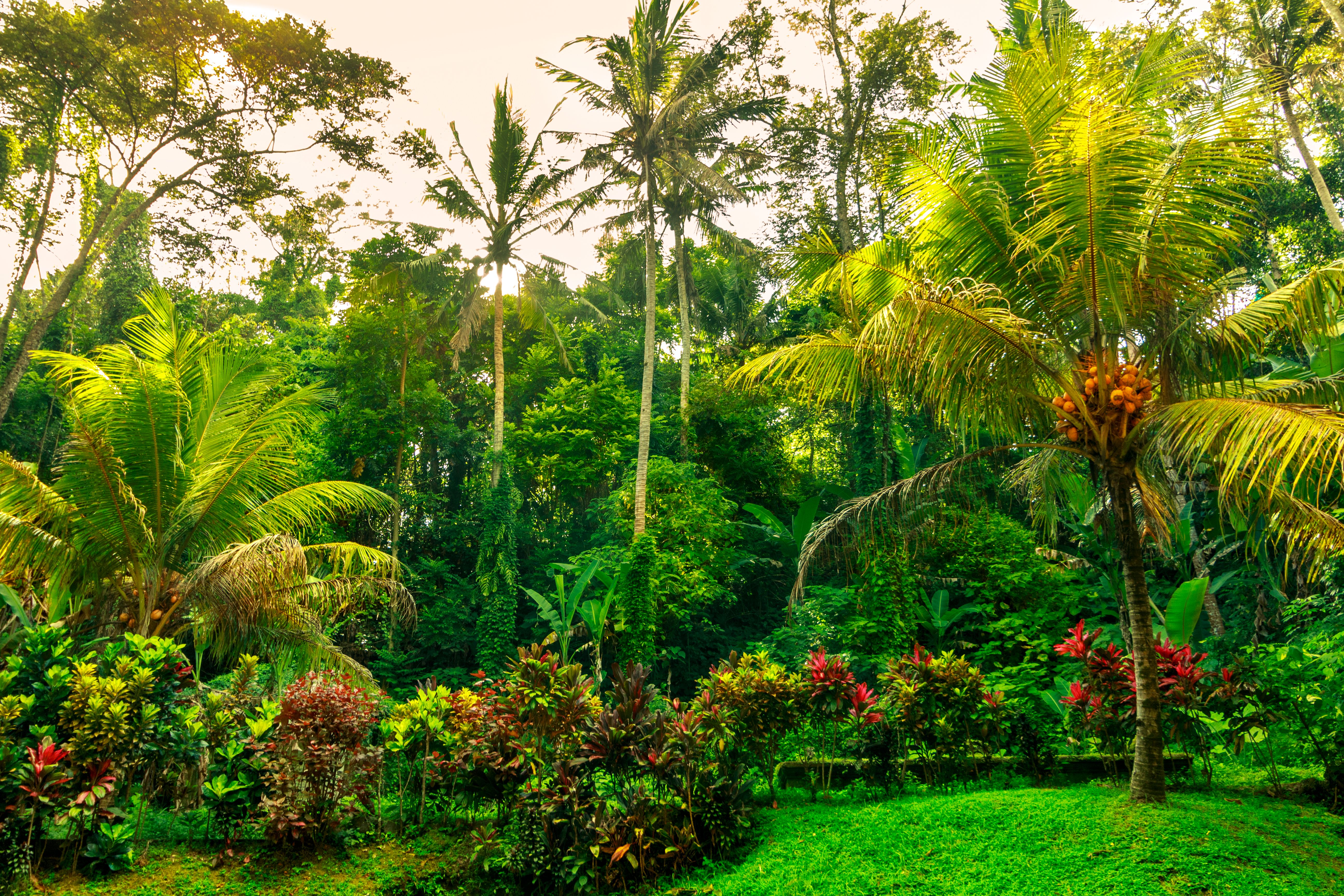
The first step in designing your edible landscape is understanding Florida's climate zones. The state is divided into several zones, ranging from subtropical in the north to tropical in the south. This variation means that plant selection will differ depending on your location.
In general, Florida's growing season is long, but it can be interrupted by extreme weather events like hurricanes. Selecting plants that are resilient to these conditions will help ensure a thriving garden.
Choosing the Right Plants
When selecting plants for your edible landscape, consider both perennials and annuals. Perennials, such as citrus trees and blueberry bushes, provide a long-term harvest, while annuals, like tomatoes and peppers, offer seasonal variety.
Native plants are often well-suited to the local environment and require less maintenance. Consider incorporating native species like the Florida cranberry or beautyberry, which can add both flavor and color to your garden.
Designing for Aesthetics and Functionality
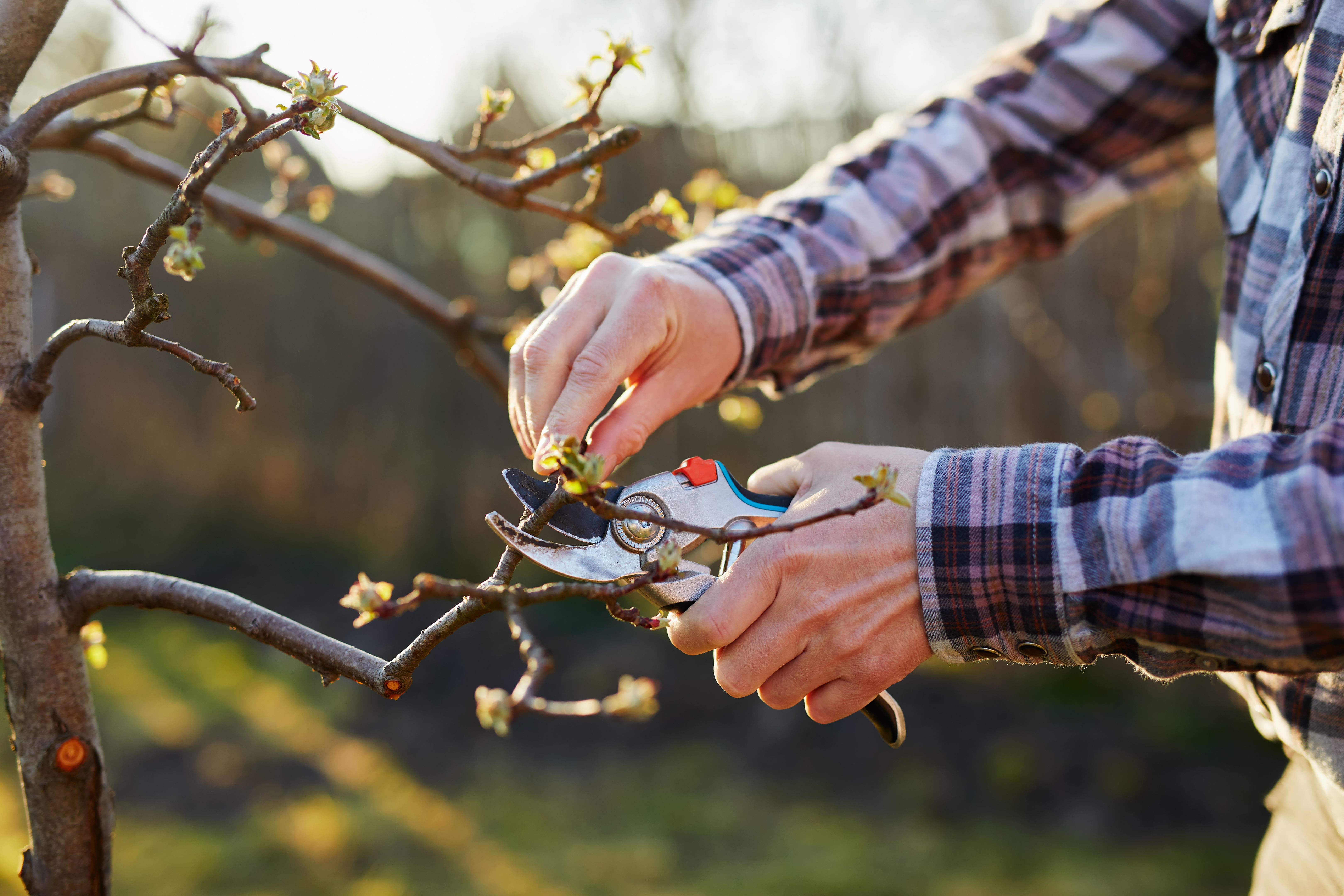
An edible landscape should be both beautiful and functional. Consider the layout of your garden, incorporating pathways, raised beds, and trellises to maximize space and accessibility. Group plants with similar water and sunlight needs together to ensure optimal growth.
Use companion planting techniques to enhance plant health and productivity. For example, planting marigolds alongside vegetables can repel certain pests, while herbs like basil can improve the flavor of tomatoes.
Watering and Irrigation Strategies
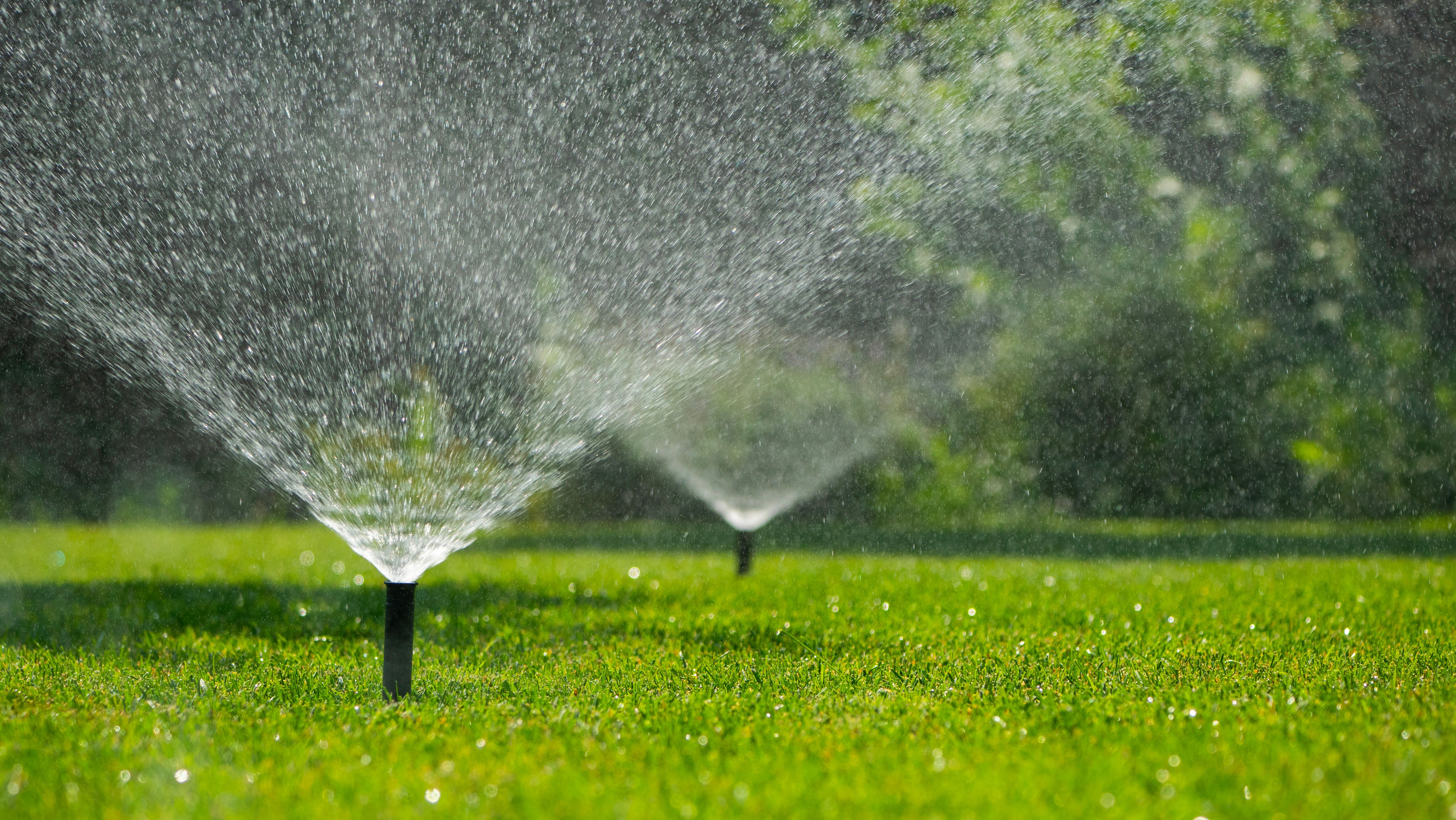
Efficient water use is crucial in Florida's climate. Implementing an irrigation system can help manage water distribution, ensuring that plants receive the right amount of moisture without waste.
Consider rainwater harvesting as a sustainable option. Collecting rainwater in barrels can reduce your reliance on municipal sources and provide a natural, chemical-free water supply for your plants.
Maintaining Your Edible Landscape
Regular maintenance is key to a successful edible landscape. This includes monitoring for pests, managing weeds, and providing nutrients through composting and mulching. Creating a schedule for these tasks can help keep your garden healthy and productive.
Finally, engage with local gardening communities or extension services for advice tailored to Florida's unique environment. Sharing experiences and tips with fellow gardeners can enhance your skills and boost your garden's success.