Designing a Sustainable Equestrian Layout for Small Acreages


Understanding the Basics of Equestrian Layout
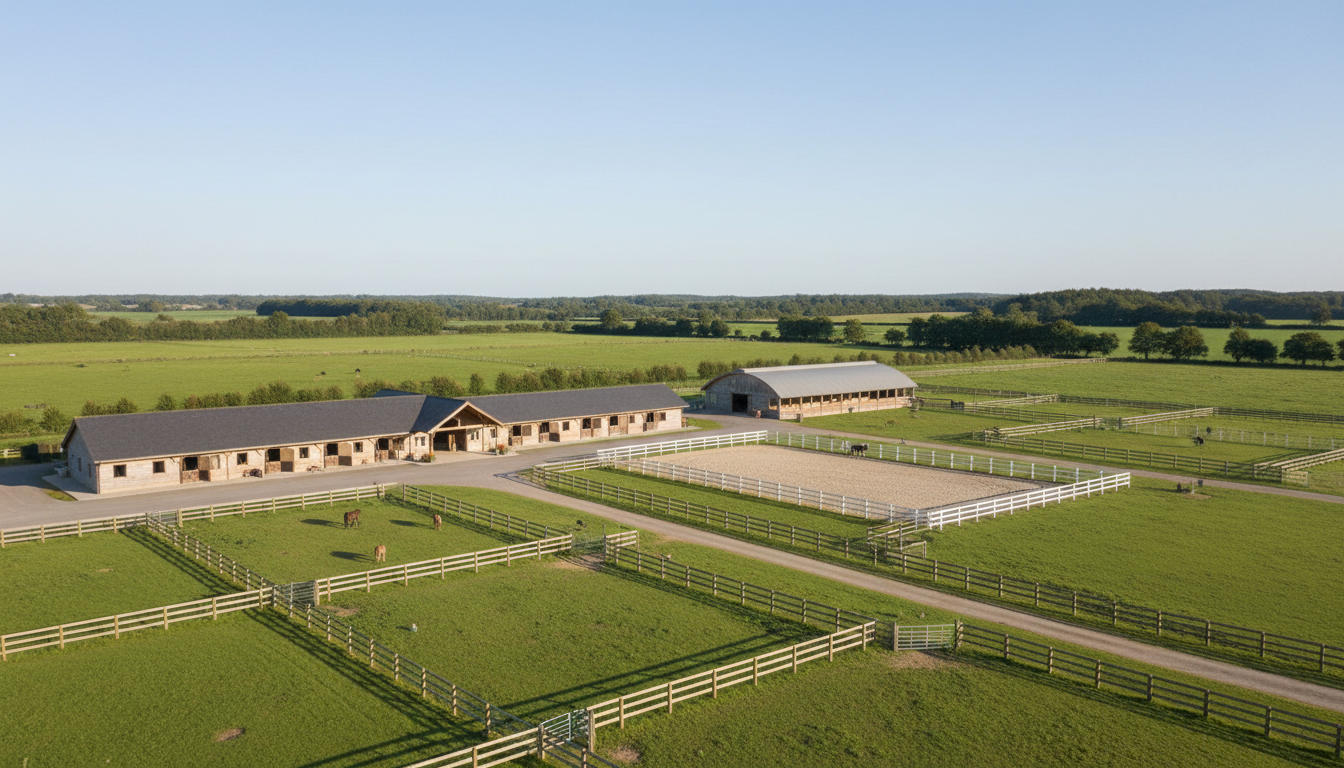
Designing a sustainable equestrian layout for small acreages requires a blend of creativity and practicality. The goal is to create a space that supports the well-being of horses while maintaining environmental responsibility. A well-thought-out layout can optimize land use, reduce waste, and promote a healthier ecosystem.
Key Elements of a Sustainable Layout
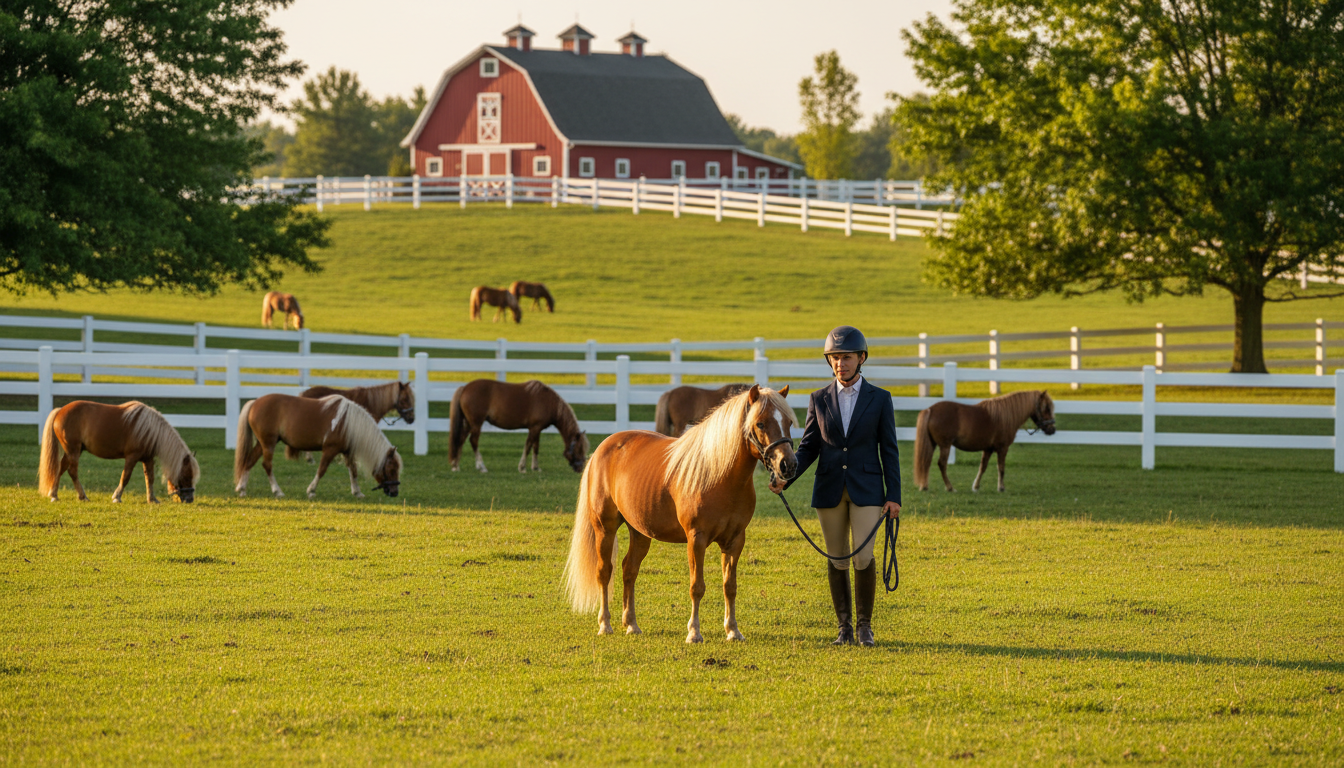
When planning your equestrian space, consider elements such as pasture management, water resources, and waste disposal. Ensuring that these aspects are efficiently managed will contribute to a sustainable environment. Moreover, integrating natural elements like trees and shrubs can enhance biodiversity and offer natural shelter for horses.
Efficient Pasture Management
Effective pasture management is crucial for sustainable equestrian layouts. Rotation grazing, for instance, can help maintain healthy grass and prevent soil degradation. Additionally, it's essential to monitor pasture conditions regularly and adjust grazing patterns accordingly to avoid overgrazing.
Water Management and Conservation
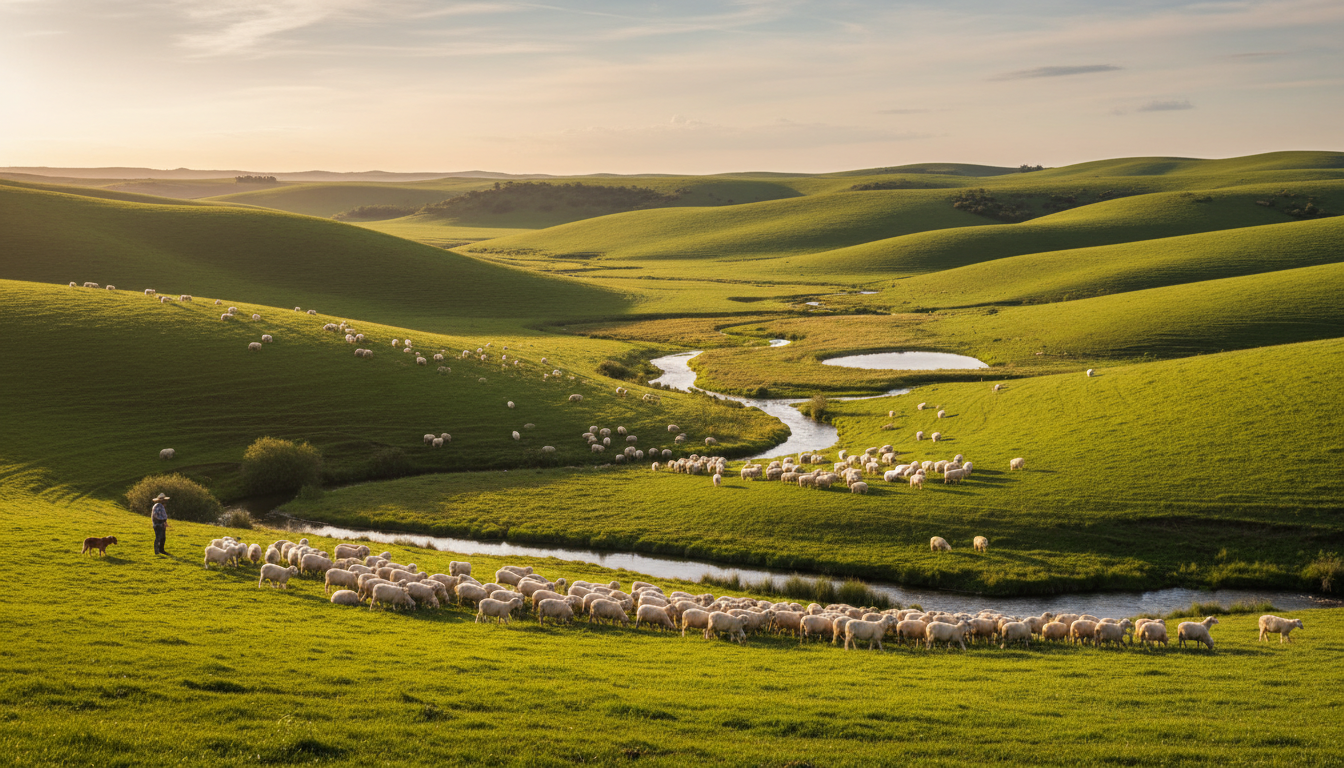
Water is a vital resource in maintaining a sustainable equestrian layout. Implementing systems such as rainwater harvesting can help conserve water and reduce reliance on external sources. Moreover, ensuring proper drainage will prevent waterlogging and maintain pasture health.
Waste Management Practices
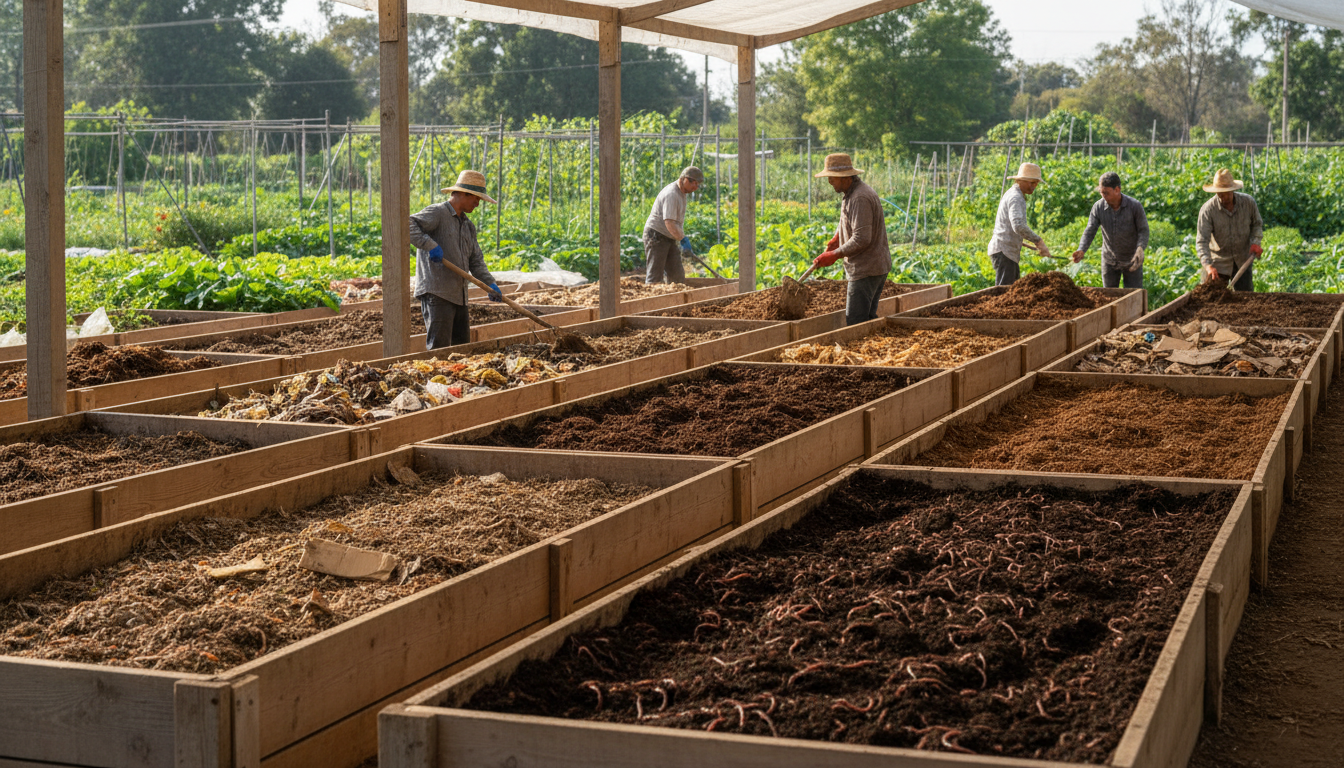
Proper waste management can significantly reduce environmental impact. Composting horse manure is an excellent way to recycle nutrients back into the soil, improving soil fertility and structure. Additionally, consider using eco-friendly materials for fencing and building structures to further minimize environmental footprint.
Designing for Horse Well-being
The well-being of horses should be at the forefront of design considerations. Ensure that there are sufficient open spaces for movement and social interaction. Providing access to shade and shelter is vital to protect horses from harsh weather conditions.
Incorporating Natural Elements
Incorporating trees and shrubs not only adds beauty but also serves functional purposes. Trees can offer shade, act as windbreaks, and contribute to the overall health of the ecosystem. Selecting native plant species will enhance local biodiversity and require less maintenance.
Conclusion
Designing a sustainable equestrian layout for small acreages is an achievable goal with the right planning and approach. By focusing on efficient resource management, promoting biodiversity, and ensuring the well-being of horses, you can create a harmonious and environmentally friendly space.