Debunking Myths About Sustainable Agriculture in Florida


As the demand for sustainable agriculture grows, several myths about its practices, especially in Florida, have emerged. Let's explore and debunk some common misconceptions surrounding sustainable agriculture in this vibrant state.
Myth 1: Sustainable Agriculture Is Not Economically Viable
One common belief is that sustainable farming practices are too costly to be economically viable. However, many Florida farmers have demonstrated that sustainable practices can lead to cost savings. By reducing reliance on expensive chemical inputs and utilizing water-efficient systems, farmers can lower their operational costs and increase profitability. Additionally, the growing consumer demand for sustainably produced goods often allows farmers to charge premium prices.

Economic Benefits for Farmers
Sustainable agriculture often leads to diverse revenue streams. Farmers can integrate crop rotation and polyculture, which not only improve soil health but also allow for multiple harvests throughout the year. This diversification reduces risk and can stabilize income, contrary to the myth of economic infeasibility.
Myth 2: Sustainable Farming Yields Are Lower
Another misconception is that sustainable farming results in lower yields compared to conventional methods. While initial yields may be lower as the soil transitions, long-term sustainable practices often enhance soil fertility and health, leading to yields that can match or even surpass conventional methods.
Improved Soil Health
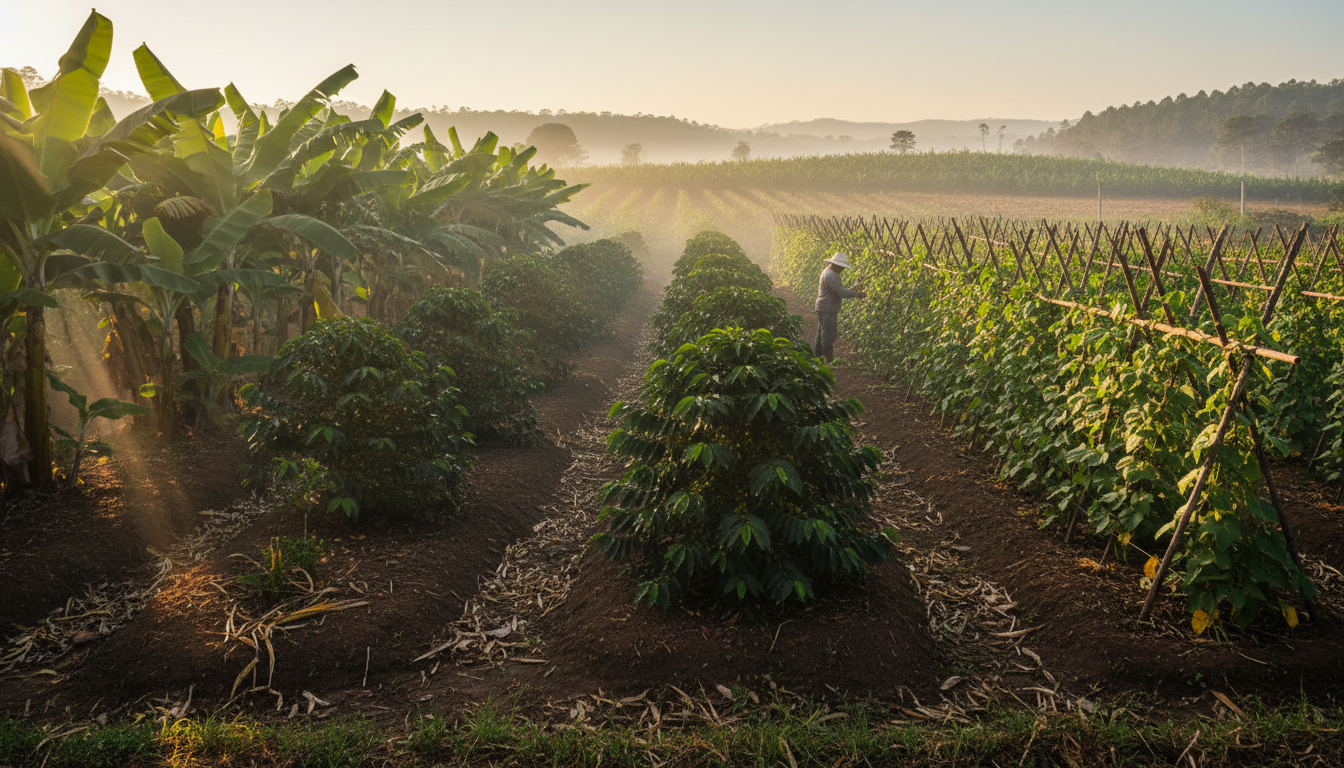
Techniques such as composting, cover cropping, and reduced tillage contribute to improved soil structure and fertility. Healthier soil retains water more effectively and supports robust plant growth, which can lead to increased yields over time.
Myth 3: Sustainable Agriculture Cannot Feed the Population
There's a widespread belief that sustainable agriculture cannot meet the food demands of a growing population. However, sustainable practices are designed to be adaptable and scalable. They focus on long-term productivity rather than short-term gains, ensuring food security for future generations.

Community and Environmental Impact
Sustainable agriculture practices often include community-supported agriculture (CSA) programs and local food systems that reduce transportation emissions and support local economies. These systems contribute to a more resilient food network that can better handle disruptions.
Myth 4: Sustainable Agriculture Is Only for Small Farms
Many people believe that only small farms can implement sustainable practices, but this is not the case. Both large and small farms in Florida are adopting sustainable methods. Large-scale operations can benefit from advanced technologies that enhance sustainability, such as precision farming tools that optimize resource use.
Technology and Innovation
Innovations like drone technology for monitoring crop health and automated irrigation systems that conserve water are being used by larger farms to increase efficiency while maintaining sustainability. This shows that sustainable practices are not limited by farm size.
As we continue to debunk these myths, it's clear that sustainable agriculture in Florida is not only feasible but also beneficial for the economy, environment, and society. Embracing sustainable practices can lead to a more resilient agricultural system that supports both current and future generations.